Chengdu Like a Local: 16Year Insider's Authentic Guide
AI Learn Chinese
3 hr • 0 read
Get authentic Chengdu life straight from a 16year local: share coffee, uncover local culture and hidden gems, and connect across cultures in China's laidback metropolis.
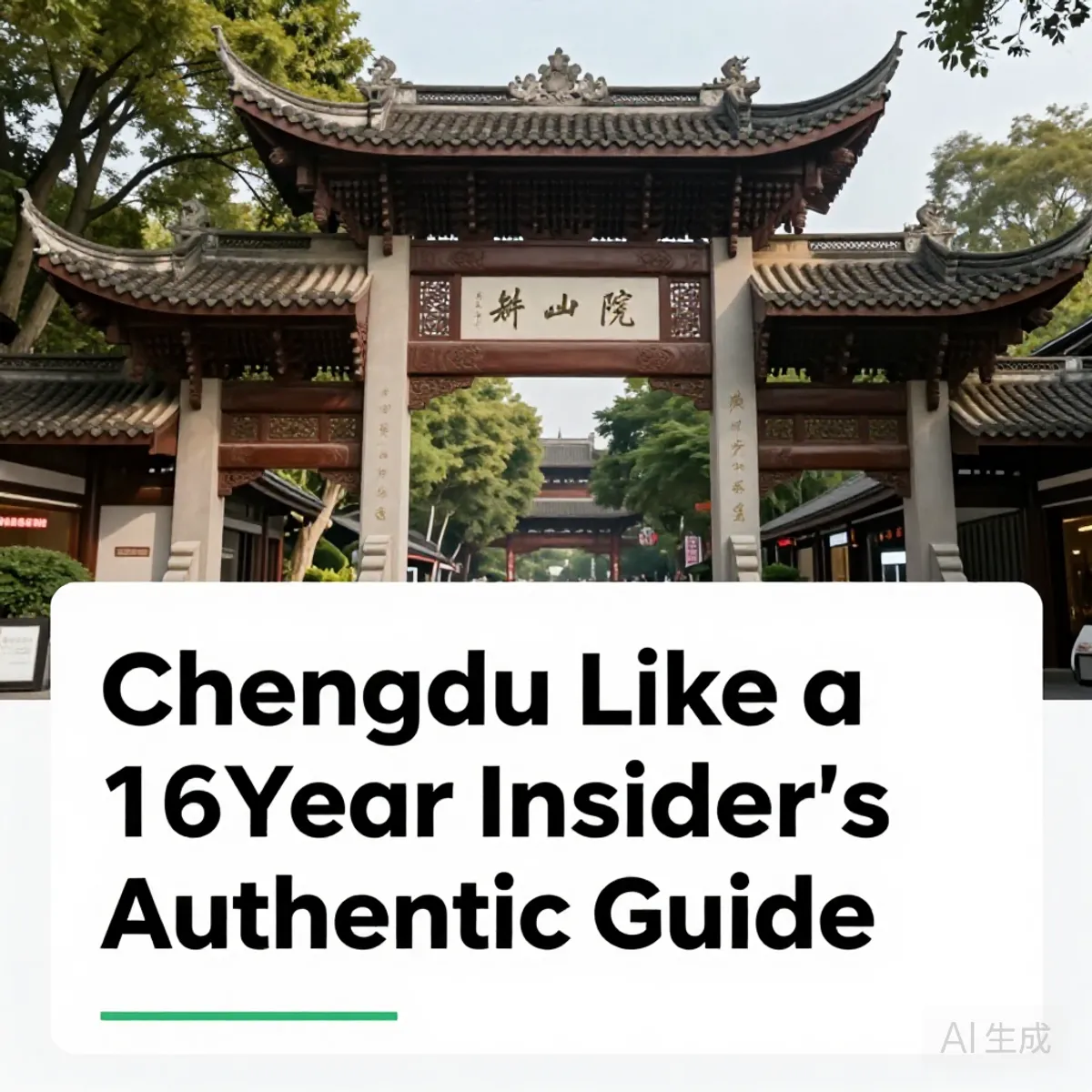
Introduction: More Than Pandas and Spice
Chengdu is often reduced to two icons: the giant panda and fiery Sichuan pepper. While both are integral, they barely scratch the surface of what makes this city in China’s southwest so captivating. For over a decade and a half, I’ve called Chengdu home, migrating here from northern China and gradually absorbing its unique rhythm.
This isn’t a tourist checklist; it’s an invitation to see the city through the eyes of someone who has learned to live, not just visit, here. The true essence of Chengdu lies in its tea house culture, its unhurried pace, and the profound warmth found in casual, shared moments. It’s a place where “different” isn’t just tolerated; it’s often the starting point for the most memorable conversations.
My goal is to offer a window into that lived experience, hoping to bridge gaps for international residents or visitors seeking a genuine connection.
The Unhurried Rhythm of Daily Life
The most immediate shift for newcomers is the city’s tempo. Chengdu operates on “Chengdu time,” a concept loosely translated as “when it’s ready.” This isn’t laziness; it’s a conscious prioritization of leisure and community over relentless productivity. The city’s heartbeat can be found in its numerous public parks and tea houses, where life’s important business—gossip, deal-making, family coordination—happens over endless cups of green tea.
The clatter of mahjong tiles and the hiss of tea kettles form a constant, comforting soundtrack. This rhythm encourages you to slow down, observe, and participate. It’s a daily practice in mindfulness, disguised as ordinary recreation.
Morning Tea Ceremonies and Slow Starts
While other Chinese cities rush through breakfast, Chengdu savors it. Mornings are for 盖碗茶 (gaiwan cha), or covered bowl tea, in establishments that open before dawn. These aren’t just cafes; they are social hubs for retirees and night-shift workers alike.
The ritual is simple: order a pot, often for a flat rate allowing infinite refills, and claim a bamboo chair. You might stay for an hour or four. This is where the real news circulates, where friendships are maintained, and where a solitary reader is just another part of the scenery.
Participating, even as a quiet observer, is your first lesson in local culture. It signals you understand this space is for lingering, not rushing.
Afternoon Mahjong and Communal Chatter
As the sun climbs, the focus shifts to mahjong. You’ll see games set up on sidewalks, in restaurant backrooms, and under large gazebos in parks like People’s Park. The click-clack of tiles is a universal language of concentration and camaraderie.
Games are rarely for high stakes; they are for the social glue, the friendly competition, and the excuse to gather. Watching a game is a masterclass in non-verbal communication—a raised eyebrow, a sigh, a triumphant slap of a tile on the table. To be invited to play, or even just to sit nearby and absorb the atmosphere, is a significant local welcome.
It’s a tangible, interactive piece of heritage still thriving in modern streets.
Food as a Cultural Language
In Chengdu, food is never merely fuel. It is the primary medium of social interaction, cultural expression, and personal identity. The city’s reputation for spicy and numbing flavors is well-earned, but reducing it to chili and Sichuan pepper misses the nuance.
Eating here is a shared, democratic experience. Meals are ordered family-style, plated in the center for all to reach. The act of cooking together, especially hotpot, is a ritual that builds immediate intimacy.
Street food isn’t a cheap alternative; it’s a celebrated, vibrant layer of the culinary scene where you can sample dozens of distinct flavors in a single stroll. To eat in Chengdu is to converse in its most delicious dialect.
The Hotpot Ritual: Cooking Together
A hotpot meal is a performance and a feast. A simmering, often spicy broth sits at the table’s center, surrounded by plates of thinly sliced meats, vegetables, tofu, and dumplings. Each person has a small bowl for dipping sauces—sesame oil, garlic, cilantro, perhaps more chili.
You cook your chosen ingredients in the broth for mere seconds, then dip and eat. The process is inherently interactive, forcing conversation and shared attention. It’s messy, loud, and deeply communal.
The choice of broth—clear, tomato, or the iconic red—can be a point of friendly debate. This isn’t a quiet dinner; it’s a two-hour experience of collective creation and consumption. For an outsider, it’s the fastest way to feel included.
Street Food Safari: Beyond the Restaurant
To truly “live” the food, you must master the street food circuit. From the sweet, glutinous tanghulu (candied hawthorn berries) to the savory, steamed baozi (filled buns) and the famous mapo tofu from a hole-in-the-wall stall, each bite tells a story of resourcefulness and flavor-maximization. Look for lines of locals; that’s your best guide.
These stalls often operate on a cash-only basis and have limited seating, emphasizing takeaway and immediate gratification. Eating while walking, or balancing a bowl on a nearby wall, is part of the charm. This is where you’ll find the most authentic, unpretentious tastes of Chengdu, away from menus translated for tourists.
Language: More Than Just Words
Communication in Chengdu extends far beyond Mandarin. The local Sichuanese dialect is a distinct, musical, and often faster-paced language. Even if your Mandarin is solid, you’ll initially struggle to understand the rapid-fire banter in a tea house.
But language here is also physical. A flick of the wrist, a pout of the lips, a specific cough—these are all part of the lexicon. The key is patience and a willingness to mimic.
Locals are generally delighted when a foreigner attempts a Sichuanese phrase, no matter how badly pronounced. The phrase “巴适 (bashu)”—meaning comfortable, suitable, great—is a foundational concept. If something is bashu, it’s exactly right.
Learning this single word unlocks a deeper understanding of the local ethos.
Decoding the Sichuanese Melody
Sichuanese has a lilting, almost singsong quality compared to the flatter tones of northern Mandarin. It’s rich with unique vocabulary. For example, “摆龙门阵 (bai longmen zhen)” literally means “to set up a dragon gate array,” but it’s the local term for chatting or gossiping at length.
You’ll hear it constantly. The dialect also uses different verbs and pronouns. Instead of the standard “我 (wo)” for “I,” you might hear “我 (ngo)” in certain contexts.
Don’t try to learn the dialect fluently—it’s complex and varies by district. But recognizing its sound and picking up a handful of key phrases shows respect and a desire to engage on a deeper level. It transforms you from a listener to a participant in the local conversation.
The Art of Gesture and Tone
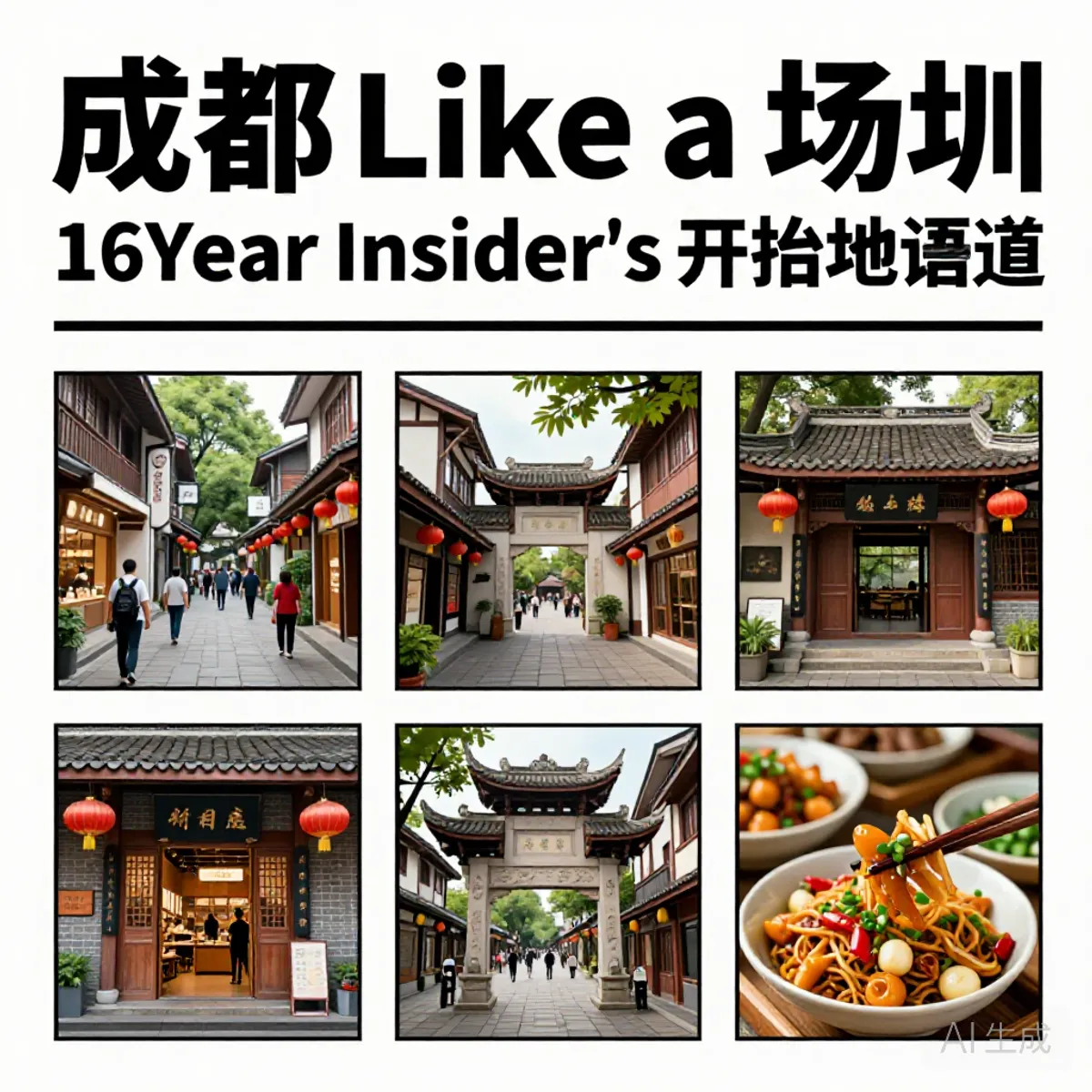
A raised pinky finger while drinking tea isn’t a sign of pretension; it’s a traditional, polite way to hold a gaiwan. A gentle shake of the hand from side to side while saying “不要 (buyao)” or “不用 (buyong)” intensifies the refusal, making it more definitive and friendly. Pointing with your entire palm, not a single finger, is considered more polite.
Tone is everything. A sharp, loud “好 (hao)!” can mean enthusiastic agreement or abrupt dismissal, depending on context and facial expression. Observing these subtleties is a form of cultural literacy.
It prevents misunderstandings and helps you read the unspoken layers of any interaction, from a market haggle to a tea house debate.
Social Habits: From Teahouses to Community
The social fabric of Chengdu is woven in public spaces. Relationships are built not in private clubs, but in the open, democratic arenas of parks, sidewalks, and neighborhood eateries. There’s a palpable sense of community.
Grandparents push strollers and simultaneously keep an eye on the mahjong game three benches over. Strangers readily share a table or a comment on the weather. This openness creates a low barrier to casual friendship.
For an international resident, this is gold. You don’t need an invitation to a private home to feel connected; you can find belonging in the shared space of a bustling night market or a quiet courtyard. The expectation is not deep, lifelong bonds immediately, but a baseline of friendly, respectful interaction.
The Neighborhood Eatery as a Third Place
Unlike in some Western contexts where “third places” (like cafes) are for solitude, Chengdu’s neighborhood restaurants and snack bars are for collective life. You’ll see the same group of older men occupying the same corner table at the same chuanchuan (skewer) shop every evening. Regulars are recognized, greeted by name, and often served first.
The staff isn’t just waiters; they’re community anchors. Becoming a regular yourself—by visiting the same small mala xiangguo (spicy numbing hotpot) place weekly—is the fastest path to local acceptance. It signals you’re not just passing through; you’re investing in a micro-community.
Your order might eventually be taken before you even speak.
Generational Mixing in Public Parks
Parks like People’s Park or Jinli are incredible social mixers. You’ll see toddlers chasing pigeons, teenagers taking selfies, middle-aged women dancing in groups to pop music, and elders practicing tai chi with solemn grace. There’s little segregation by age.
This creates a dynamic, intergenerational atmosphere that is both lively and deeply traditional. Joining in is encouraged. You can learn a simple tai chi form from a patient master, or join a spontaneous circle dance.
These activities are free, open, and carry no language prerequisite. They are pure, physical expressions of local life that anyone can appreciate and participate in, fostering a sense of shared public space.
Hidden Gems Only Locals Know
Beyond the guidebook sites—the Panda Base, Jinli Ancient Street, the Wide and Narrow Alleys—lies a Chengdu understood only by those who’ve explored its backstreets. This is a city of layered history, where a modern skyscraper might stand beside a preserved Qing dynasty courtyard. The true magic is often in the unmarked, the unadvertised, and the slightly dilapidated.
It’s the tiny teahouse behind a mechanic’s shop, the community-run opera theater in a residential hutong-like lane, the vegetarian Buddhist restaurant tucked inside a temple complex. These places thrive on local patronage, not tourist dollars. Finding them requires curiosity, a willingness to get a little lost, and the confidence to walk through an unassuming door.
The Backstreet Teahouse Experience
Seek out tea houses that aren’t listed on any map. They are often identifiable by their simple wooden signs, the predominance of older patrons, and the absence of English menus. Inside, the air is thick with the smell of tea leaves and cigarette smoke.
Service might be brusque, but the tea will be excellent and cheap. Here, you are purely an observer, a silent student of the ongoing dramas, negotiations, and quiet companionship. No one will bother you unless you initiate contact.
This is where you witness the unvarnished, daily ritual of Chengdu life. It’s a quiet, powerful lesson in the city’s soul, far from the curated performances of tourist areas.
Community Gardens and Urban Oases
Scattered throughout the city are small, often hidden community gardens (gongyuan or xiaoqu gardens). Maintained by neighborhood committees or resident collectives, these are plots of land where locals grow vegetables, tend flowers, and gather on benches. They are pockets of profound tranquility and grassroots environmentalism.
You might find an old man showing a child how to water chives, or women comparing the blooms of their potted jasmine. These spaces are rarely in guidebooks. They represent a different side of Chengdu: not the bustling consumer, but the nurturing, home-oriented resident.
Treading lightly and offering a smile is usually enough to be granted a moment of peaceful coexistence in these green sanctuaries.
Connecting Across Cultures: My Offer
This brings me to the core of my own motivation. After 16 years, I’ve built a life here, but I remember the initial disorientation. I came from northern China, where the pace is faster, the food less spicy, the dialect starkly different.
I had to learn the local codes, the unspoken rules, the value of bashu. Now, I enjoy meeting people from all backgrounds. My offer to connect over coffee isn’t a formal program or a paid service.
It’s a simple, human desire to share what I’ve learned and to learn from you in return. Your perspective—as an international resident, a long-term visitor, or even a tourist with a curious mind—is a fresh lens on my home. I speak English comfortably, so the conversation can flow easily, focusing on experience, not language correction.
Breaking the Ice with Coffee
The coffee shop is a neutral, modern ground. It’s not a traditional teahouse, which might feel intimidating, nor is it my home, which is too private. It’s a public, casual space where we can both be equals.
I’m not a “guide” or a “teacher” in any official capacity; I’m just a resident who enjoys interesting talk. We can discuss anything: the subtle differences between northern and Sichuanese cuisine, the challenges of finding familiar ingredients, the best time to visit lesser-known parks, or how the concept of “guanxi” (relationships) plays out in daily errands. You can ask the “stupid” questions you wouldn’t ask a business associate.
My role is to provide context, share anecdotes, and perhaps recommend a spot for chuanchuan afterwards.
What to Expect in an Exchange
Don’t expect a curated tour or a lecture on Sichuan opera face-changing. Expect a conversation. I might share a story about the time I mistakenly used a northern phrase and caused confusion at a market.
You might share your frustration with the local bus system or your delight at discovering a perfect bowl of zajiangmian (noodles with soybean paste). The value is in the mutual exchange of viewpoints. I can explain why Chengdu feels so different from Beijing or Shanghai; you can articulate how it compares to cities in your home country.
This isn’t about me imparting wisdom; it’s about two people building a small, temporary bridge between their worlds, using Chengdu as the common ground. It’s about the love for a place that transcends nationality.
Practical Tips for Newcomers
For those new to Chengdu, a few practical notes can smooth the transition. The city is incredibly safe, with low violent crime. Petty theft in extremely crowded areas (like certain metro stations at rush hour) can happen, so be mindful of your belongings.
Public transportation is excellent and cheap. The metro is clean, efficient, and signs are in English. Buses are even cheaper but can be crowded.
Didi (the Chinese Uber) is widely used and has an English app option. often have your hotel’s address written in Chinese for taxi drivers. Cash is still king in many small eateries and street stalls, so carry some RMB.
Most importantly, adopt the local mindset: be patient, be observant, and don’t be afraid to smile and point when words fail.
Navigating the Spice and the Stomach
Your digestive system will face a challenge. Sichuan cuisine is built on layers of spice and oil. Ease into it.
Start with milder dishes like kung pao chicken (which is often toned down for tourists anyway) or boiled fish in chili oil (shuizhuyu), but ask for “wei la” (less spicy). Street food jianbing (savory crepes) is a gentle, delicious start. Hydrate constantly, and consider bringing anti-diarrheal medicine for the first week.
Also, tap water isn’t generally drinkable; stick to bottled. Your body will adapt, but the initial shock is real. Embracing the spice is part of embracing the culture, but it’s a marathon, not a sprint.
Basic Etiquette for Social Spaces
When in tea houses or casual restaurants, it’s common to share tables with strangers. A simple nod or smile is sufficient acknowledgment. Don’t be offended if someone lights a cigarette at the table; it’s still common, though many places now have no-smoking signs.
Tipping is not expected and can even be refused politely. When paying, it’s common for one person to cover the bill for a group, with the understanding it will even out another time—this is part of guanxi building. If you’re with locals, you can offer to pay, but be prepared for a polite tug-of-war.
Handling Bureaucracy: Hukou, Healthcare, and Patience
Navigating official systems is a universal headache, but in Chengdu, the process is often less intimidating than in smaller cities. For long-term residents, the hukou (household registration) system, while complex, offers pathways for integration. While many foreigners opt not to transfer it, understanding its local implications for things like schooling or property is useful.
Public hospitals are efficient and affordable, but be prepared for long queues and bring a local friend or phrasebook for initial registration. The key is paperwork—have multiple copies of your passport, visa, and photos. Staff are often stern but rule-following; a calm, orderly approach yields better results than frustration.
This administrative layer is part of the unglamorous reality of making a life here.
Seasonal Living: Humidity, Festivals, and Air
Chengdu’s climate is a defining, if sometimes challenging, character. The famous humidity in summer is a physical presence—clothes never fully dry, and a constant mist can blur the city’s edges. Locals cope with air-conditioned malls and public spaces, but also with a cultural acceptance of “sweating it out” in tea houses.
Winters are damp and chilly, with heating often centralized only in newer buildings. Layering is essential. Conversely, spring and autumn are sublime, with the city’s parks bursting with plum blossoms or golden ginkgo leaves.
Align your lifestyle with these rhythms; summer evenings are for late-night chuanchuan in open-air stalls, while winter calls for bubbling hotpot indoors. Major festivals like the Spring Festival or Mid-Autumn Festival see the city transform—travel plans must be made months in advance, and the festive energy is palpable in the lanterns and special foods.
Digital Life: Super Apps and Cashless Everything
Life in Chengdu runs on a handful of super-apps, primarily WeChat and Alipay. These are not just for messaging or payments; they are portals for everything: booking doctor’s appointments, paying utilities, ordering food, hailing a ride, and even identifying plants. Forgetting your wallet is irrelevant if your phone is charged.
Setting these up with a local bank account or via a friend’s assistance is a critical early step. Cash is a backup for tiny street stalls or remote villages, but the city is overwhelmingly cashless. Navigation is seamless with Baidu Maps (more accurate locally than Google), and Didi is the default ride-hailing service.
Embracing this digital ecosystem is less about convenience and more about accessing the full scope of daily civic participation.
Building Local Friendships Beyond the Coffee Chat
My coffee offer is a starting point, but translating that into lasting friendship requires proactive, low-stakes participation. The shift from “friendly foreigner” to “friend” often happens in the mundane: becoming a regular at a tiny mala xiangguo spot, sharing a table at a crowded tea house, or helping a neighbor with a heavy package. Accepting invitations, even to seemingly small events like a family barbecue in a residential courtyard, is invaluable.
Gift-giving follows subtle rules—fruit, pastries, or small souvenirs from your home country are appreciated, but avoid overly expensive gifts that create obligation. The concept of guanxi is built through repeated, casual interactions, not grand gestures. Patience is paramount; local friendships deepen over months, not weeks, but they become profoundly rewarding anchors.
Emotional Adaptation: The "Third-Culture" Rollercoaster
Living between cultures triggers a unique emotional journey. The initial euphoria of discovery gives way to “micro-frustrations”—the inability to articulate a simple need, the fatigue of constant translation, the feeling of being a permanent outsider in certain nuanced conversations. This is normal.
Allow yourself days of withdrawal. Conversely, you’ll experience unexpected moments of pure belonging: a shopkeeper remembering your order, understanding a joke in Sichuanese, or being asked for your opinion on a local issue. These are your milestones.
Building a personal “hybrid culture” is the goal—keeping traditions from home while adopting Chengdu’s bashu philosophy of comfort and ease. It’s not about becoming local, but about synthesizing a new, stable identity that comfortably holds both worlds. The city’s inherent tolerance for difference makes this possible.
Conclusion: Embracing the Bashu Spirit
Living in Chengdu for 16 years has taught me that the city’s greatest gift is its philosophy of bashu. It’s more than comfort; it’s a state of being content, of finding pleasure in the simple, shared moment—a perfect cup of tea, a lively debate over a mahjong tile, a communal pot of bubbling hotpot. It’s a rejection of the relentless “hustle” in favor of a life rich in social texture.
For international residents, embracing this spirit is the key to unlocking a deeper experience. It means slowing down, participating in the public rituals, and being open to spontaneous connection. My offer to share a coffee is an extension of that spirit—a small, deliberate pause to connect, to exchange, and to see Chengdu anew through another’s eyes.
The city isn’t just a place to live; it’s a way of living, waiting to be discovered one conversation at a time.
Responses • 0
0/2000
ID: 1326
Chris
Offline
3 hr
Visited
From
Bakersfield, United States
Send Message