Xiamen Teacher Getaway: Surf, Bars Global Friends
AI Learn Chinese
5 hr • 0 read
Plan your teaching getaway in Xiamen. Discover mellow surf spots, expat bars, and tips to meet international friends. Your perfect week awaits.
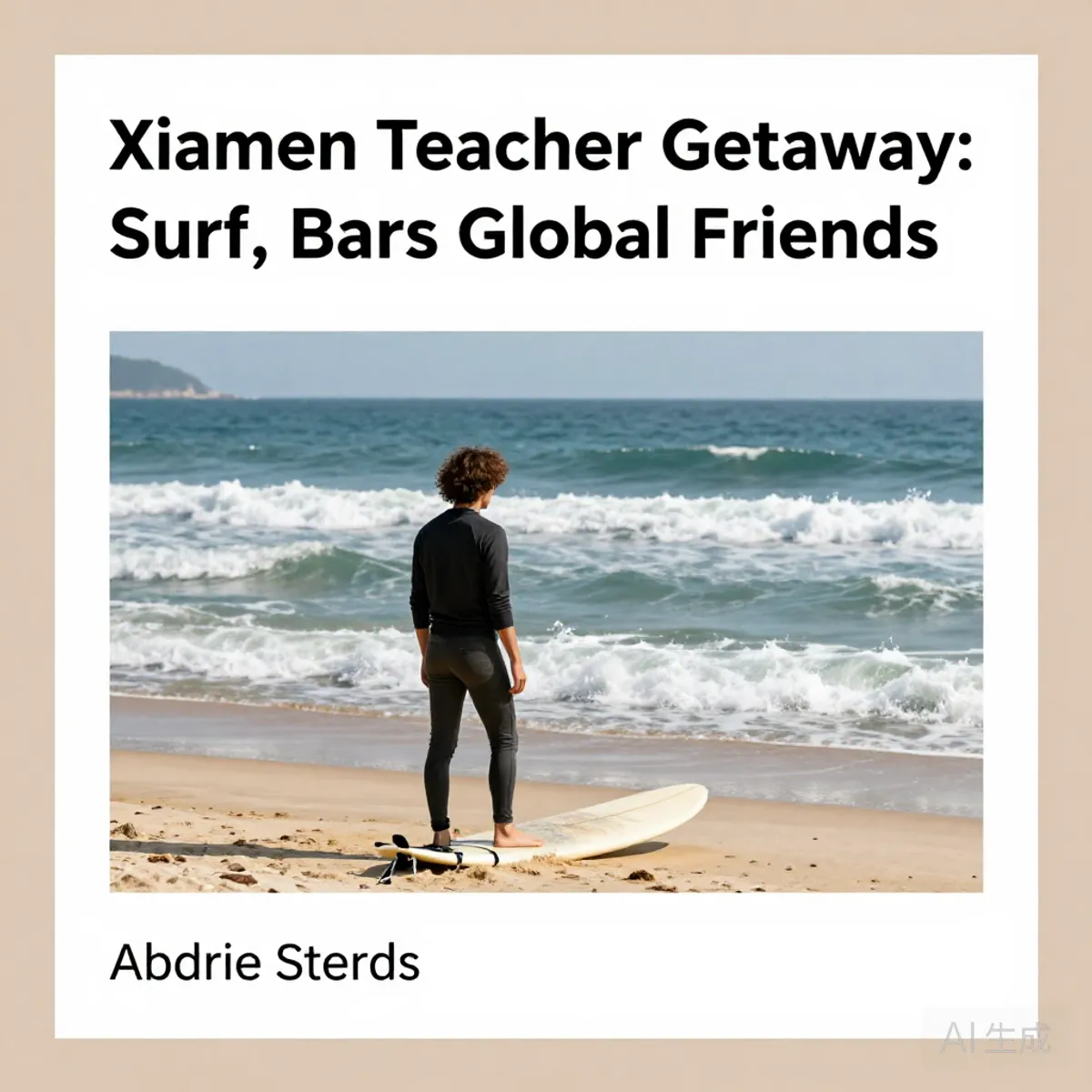
Introduction: The Teaching Stint and the Urgent Need for a Break
You’ve been teaching in Xiamen for a month or two. The initial whirlwind of new sights, sounds, and lesson planning has settled into a rhythm. This rhythm is productive, but it creates a subtle pressure.
You need a break. Not just a day off, but a genuine pause to recharge, explore, and connect. The question isn't if you should take this break, but how.
How do you make the most of a week or two in a place you’re still learning to navigate? The goal is simple yet profound: to have a good time, to see something new, and to meet a few more people who share your transient, international experience. This guide is built from that exact impulse—the desire to find the right balance of relaxation and social connection during a limited window of time.
Xiamen, with its unique coastal geography and established expatriate community, is uniquely positioned to offer this balance. It’s a city where you can catch a wave in the morning, enjoy a cold beer with compatriots in the evening, and still feel the pulse of authentic China. The key is knowing where to look.
This article will map out that landscape for you, focusing on the tangible things you can visit and experience. We will move from the social hubs where you can meet friends to the serene beaches where you can surf, weaving in practical advice for making it all happen seamlessly. The sentiment is positive, the opportunity is real, and your break starts now.
Why Xiamen is a Prime Base for a Short Break
Xiamen isn't just another Chinese city; it's a special economic zone with a history as a treaty port. This history has cultivated an openness and a infrastructure that feels more international than most. For someone on a teaching break, this translates to convenience.
The city is clean, the public transport is efficient, and a surprising number of locals speak basic English, especially in the Siming and Huli districts. But the real draw is the environment. Xiamen is a peninsula and an island, meaning the sea is never far away.
This direct access to the coast is the foundation for both the surf culture and the relaxed, holiday-like atmosphere that permeates certain parts of the city.
The climate is another major factor. While winters can be cool and damp, the months from April to October offer warm, humid conditions perfect for beach activities. For a break taken in the warmer season, you can reliably expect good weather for both daytime exploration and evening socializing.
The city is also compact enough that you can stay in one area and still visit a diverse range of experiences—from bustling night markets to quiet, rocky coves—within a short bus or metro ride. This "closeness" of variety is a huge advantage when you only have a week or two. You don't waste precious time on long-distance travel; the adventure begins the moment you step out your door.
In addition, Xiamen’s size fosters a sense of community. The expat scene, while not as massive as Shanghai or Beijing, is tight-knit. Information travels fast through WeChat groups and word-of-mouth.
This means that the "good" bars, the "close" surf spots, and the best places to "visit" are well-documented by those who have already done the legwork. Tapping into that network is your single most valuable strategy for a successful break. You are not starting from zero; you are stepping into a flowing river of shared experience.
The Expat Social Scene: Where to Meet International Friends
The social life for international teachers and professionals in Xiamen revolves around a handful of established venues and recurring events. These places are the obvious and most effective starting point for your goal to meet friends. They are designed for mixing, have a predictable crowd, and often host themed nights that break the ice.
The atmosphere is generally casual and welcoming to newcomers. People understand the transient nature of life here and are often proactively friendly.
Bar 42 in the Shimao area is arguably the epicenter. It’s a large, multi-level establishment with pool tables, dart boards, and a massive outdoor terrace. The crowd is a healthy mix of teachers, business expats, and travelers.
They run weekly trivia nights (usually in English) and have major sports events on big screens. This is your go-to for a high-energy night where striking up a conversation over a shared team allegiance or a trivia question is effortless. It’s the kind of place where you can go alone and leave with plans for a future gathering.
For a more relaxed, cafe-bar vibe, The Brew in the Haiwan Park area is excellent. Focused on craft beer and quality coffee, it attracts a slightly older, more professional crowd. The seating is communal, encouraging conversation.
They often have live acoustic music or quiz nights. It’s a "good" place to look for deeper connections rather than just a lively night out. The knowledge that the beer is good creates a shared point of appreciation among patrons.
Don’t overlook Haiwan Park itself on a weekend afternoon. While not a bar, the park fills with international families, dog walkers, and groups picnicking. It’s a daytime social hub.
Bring a frisbee, a book, or just a curious smile, and you’ll likely be invited into a circle. This low-pressure environment is perfect for building friendships without the loud music and expense of a bar. It’s a free, open, and incredibly effective way to "visit" the community.
Surfing Xiamen: Finding Mellow, Longboard-Friendly Waves
Your request is specific: not cooking waves, but mellow 1-2 ft waves that are longboard friendly. This is a realistic and achievable goal in the Xiamen area, but it requires knowing the right spots and the right timing. The surf is almost entirely dependent on wind direction and swell.
The best conditions typically follow a northeast wind (often in the winter months) or after a tropical storm system. But, during the summer and early autumn, you can still find rideable, small waves, especially on a rising tide.
The primary surf zone is Xiamen Island’s East Coast, specifically the beaches south of the city center. Huli Beach (near the convention center) can sometimes pick up small, soft waves. It’s the most accessible, being right in the city, but consistency is low.
Shima Beach (Shi Ma) is a better bet. It’s a longer stretch of sand that can handle small swells. The wave here is usually a weak, rolling beach break—perfect for a longboard.
You won’t get barreled, but you can get a nice, long ride. The vibe is local and touristy, with plenty of space.
For a potentially better wave with a slightly more dedicated surf scene, you need to look at the Dongshan Peninsula. This requires a 1.5-2 hour drive from central Xiamen, so it’s more of a day trip. Towns like Zhangzhou and Zhaoan have beaches that face more directly into the South China Sea swell.
The wave at Zhaoan Beach is famous for being one of the better point breaks in Fujian province. Even when it’s small, it can form a nice, slow-rolling wave ideal for longboards. This is the spot to "look" for if you are serious about getting a few solid sessions in during your break.
Practical Surfing Notes: There are no major surf shops in Xiamen that rent quality boards. Your best option is to bring your own longboard if possible, or have a friend ship one. Alternatively, connect with the small local surf community via WeChat groups (search for "Xiamen Surf" or "Fujian Surf").
They sometimes have used boards for sale or rent. Wax and leash are available locally. often check the tide charts; a mid to high tide is almost always better.
Finally, respect the local swimmers and fishermen. The surf culture is nascent and friendly; your behavior will help it grow.
Planning Your Break: Timing and Duration
The phrase "a month or two" of teaching suggests you have some flexibility, but your break itself is likely constrained to a "week" or perhaps "just under a week." This is a critical piece of planning. A one-week break allows for focused, intensive exploration—perhaps three days dedicated to surf and two to social/rest. A two-week break opens up the possibility of a more relaxed pace or even a short trip to a nearby city like Quanzhou or Zhangzhou for a few nights. The "time" you allocate will dictate the scope of what you can "visit."
First, anchor your break around the surf forecast. Use a reliable app like Magicseaweed or Surfline to monitor conditions for the Xiamen and Dongshan areas. If you see a promising 3-4 day window of small onshore winds and a tiny swell, book your accommodation near that beach immediately.
For a one-week break, this surf-centric approach is optimal. You surf in the mornings when the wind is lightest and have the afternoons free to explore the local area or travel back to Xiamen city for a social night.
If the surf is flat for your entire week (a real possibility), pivot immediately. Have a list of non-surf backup plans: hiking in Yunding Hill (the island’s highest point), cycling the Yanwu Bridge boardwalk, or taking a ferry to Gulangyu Island for a day of colonial architecture and piano museums. The break should be about decompression, not frustration.
The ability to adapt is key. A "good" break is one where you can fluidly shift from one rewarding activity to another based on conditions.
Also, consider the lunar calendar. Major Chinese holidays like National Day (October 1-7) or Spring Festival will drastically change the vibe—making everything crowded and expensive. Aim for your break in a neutral period.
Late May, June, September, or early October (avoiding the holiday week) are often sweet spots with decent weather and fewer domestic tourists. Mark your calendar for 2026 early to secure the best window.
Beyond the Beach: Cultural and Historical Visits
A break isn't just about surfing and bars; it’s a chance to deepen your connection to the place you’ve been living. Xiamen and its surroundings are rich with history that provides essential context. Integrating one or two cultural visits into your itinerary makes the break feel more substantial and rewarding. It gives you something meaningful to "look" at and talk about with the friends you meet.
Gulangyu Island is the non-negotiable highlight. A short ferry ride from downtown, this car-free island is a UNESCO World Heritage site. It’s a labyrinth of narrow lanes, Victorian-era villas, and hidden gardens.
The Piano Museum and the Sunlight Rock viewpoint are the main attractions, but the real pleasure is in getting lost. Spend a full day here. Pack a picnic, find a quiet bench overlooking the sea, and absorb the unique atmosphere.
It’s a profound contrast to the mainland’s bustle and a truly "good" way to spend a break day.
For a dose of more recent history, visit the Koxinga Memorial Hall on the mainland. Koxinga was a Ming loyalist who drove the Dutch from Taiwan in the 17th century, and his story is deeply tied to this region. It’s a sobering, informative site that connects Xiamen to the larger narrative of Chinese maritime history.
Combine this with a walk through the Zhongshan Road pedestrian shopping street, which retains some colonial-era architecture. It’s a "close" and convenient way to absorb the city’s hybrid identity.
If you have extra time and a rental car, a day trip to the Tulou clusters in Zhangzhou is unforgettable. These ancient, massive earthen communal houses are a wonder of defensive architecture and community living. The drive is about 1.5 hours each way, making it a full-day commitment.
But the visual impact is staggering. It’s a completely different world from coastal Xiamen and provides a stunning perspective on Fujian’s rural heritage. This is the kind of visit that becomes a lifelong memory.
Practical Logistics: Getting Around and Staying Connected
To execute this plan smoothly, you need to handle logistics. The good news is that Xiamen is very navigable. The Xiamen Metro is clean, air-conditioned, and connects the airport, the railway station, and major districts like Siming and Huli.
It’s the best way to travel longer distances within the city. For shorter hops and direct beach access, Didi (the Chinese Uber) is ubiquitous and affordable. often have the app installed and your payment method (WeChat Pay or Alipay) set up before your break starts.
For surf trips to Dongshan or Zhaoan, you have three options: rent a car, hire a driver for the day, or find a local surf guide. Renting a car requires an International Driving Permit and a Chinese rental insurance policy—a bureaucratic hurdle. Hiring a driver through your school or a local contact is often easier and more relaxing; you can focus on the surf, not the navigation.
The cost is usually 600-800 RMB for a full day. This is a "close" and practical solution for a one-time excursion.
Accommodation should be chosen based on your primary activity. If surfing is the goal, find a guesthouse or hotel within walking distance of your target beach in Shima or Zhaoan. a number of small family-run hotels offer basic but clean rooms.
Book these in advance during peak season. If your break is more social/cultural, staying in the Siming district (around Zhongshan Road or Haiwan Park) puts you in the heart of the action, with easy metro access to everything. Hostels like Xiamen International Youth Hostel are excellent for meeting other travelers if you’re solo.
Staying connected is non-negotiable. A local SIM card with a data package is cheap and essential. You’ll need it for Didi, maps, and, most importantly, WeChat.
WeChat is the hub for all local information. Ensure you are in the relevant groups: "Xiamen Expats," "Xiamen Surf," "Xiamen Hiking," etc. These groups are where you’ll get real-time advice on conditions, last-minute meetups, and recommendations for a "good" restaurant or a "close" cafe. It’s your digital guidebook.
Safety, Health, and Local Etiquette
Your break should be relaxing, not stressful. Understanding local norms and taking basic health precautions ensures that. Xiamen is a very safe city.
Violent crime against foreigners is exceedingly rare. Standard urban precautions apply: be aware of your belongings in crowded markets, don’t flash expensive electronics, and avoid isolated areas late at night if you’re alone. The biggest physical risks are sun exposure and, for surfers, rip currents.
Use high-SPF sunscreen, stay hydrated, and never surf alone. Ask lifeguards or local fishermen about current conditions.
A small but important health note: tap water is not potable. often drink bottled or filtered water. Street food is generally delicious and safe, but follow the crowd—eat where it’s busy and food is freshly cooked.
If you have specific dietary restrictions, learn a few key phrases in Chinese or use a translation app. Most restaurants in tourist areas have picture menus, which helps. For any minor ailments, pharmacies (yaodian) are everywhere and staff can often recommend over-the-counter remedies.
Etiquette-wise, you are a guest. Simple gestures go a long way. Learn to say xiexie (thank you) and qing (please).
When meeting new Chinese friends, a slight, polite nod is a common greeting; a firm handshake is fine with expats. Tipping is not expected in most restaurants, though high-end hotel staff may appreciate it. In bars, tipping the bartender for excellent service is becoming more common in expat-heavy spots.
The overarching principle is respect. You are in someone else’s city. A smile and a patient attitude will smooth over any language barrier.
Maximizing Social Connections: From Bars to Shared Activities
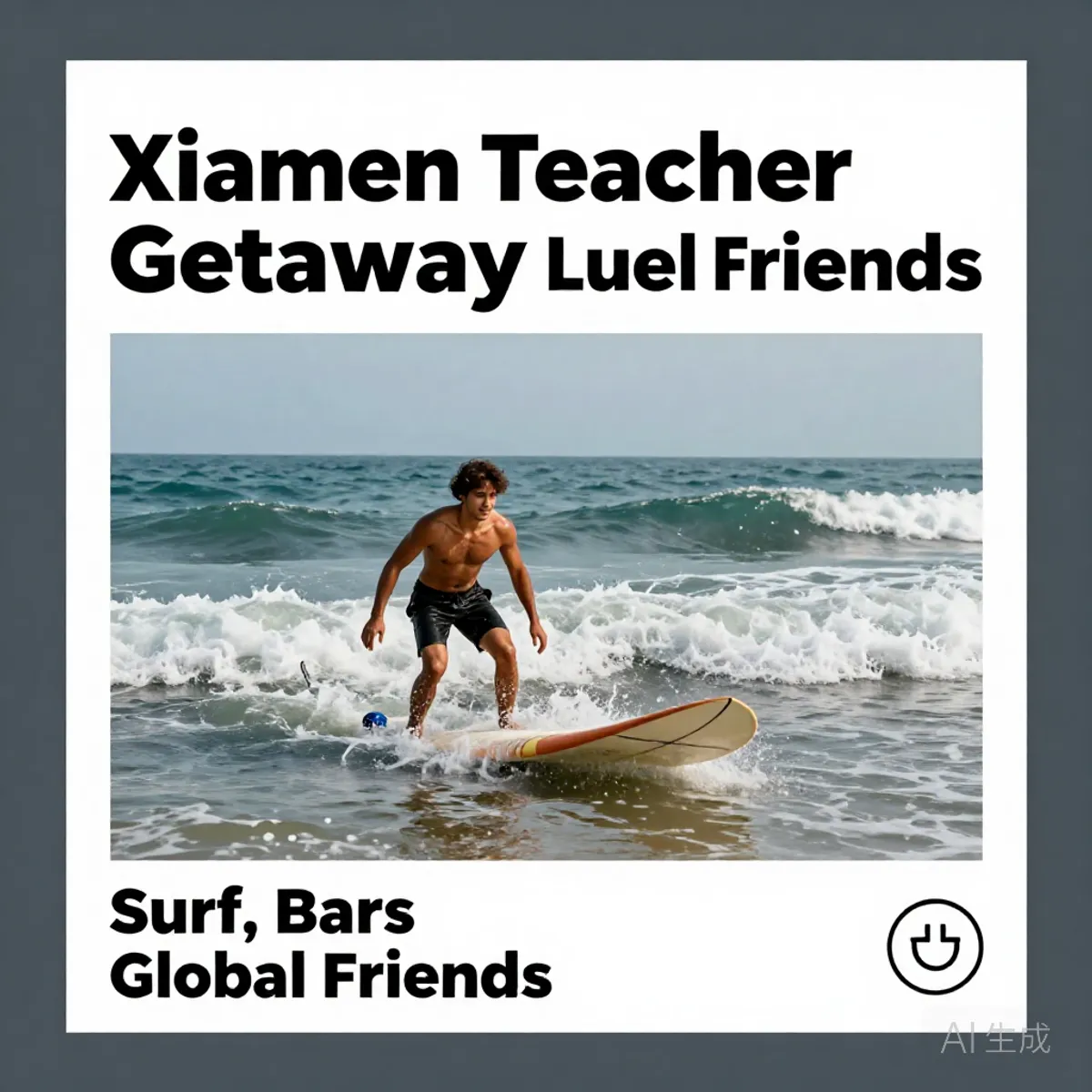
Meeting people in a bar is one thing; building a genuine friendship is another. The transition happens through shared activity. Your break is the perfect opportunity to move from "acquaintance at Bar 42" to "surf buddy" or "hiking partner." This is where your break plan becomes a social engine.
Instead of just going to a bar to meet people, use the bar as a place to organize the next day’s activity. "Hey, a few of us are checking out Shima beach tomorrow morning, anyone want to join?" This turns a social call into a concrete plan.
Leverage the existing activity-based groups. The Xiamen Hiking Club on WeChat organizes weekend walks in the hills behind the city. The Xiamen Cycling Group does scenic rides.
The Xiamen Board Game Night meets weekly. These structured, activity-focused gatherings remove the pressure of pure socializing. You bond over the game, the trail, or the ride first.
The friendship is a byproduct. Look for these events in the expat group chats. They are goldmines for low-stakes, high-reward socializing.
Don’t forget the power of language exchange. Cafes like Slow Boat Coffee or R.B. Coffee often host informal language exchange meetups.
These are fantastic because everyone is there with the explicit goal of talking. You help someone with English, they help you with Chinese. The dynamic is built-in and mutually beneficial.
It’s a "good" way to meet locals, which adds a crucial dimension to your social network beyond the expat bubble. These local friends can offer insights no guidebook can.
Finally, be the organizer yourself. If you’ve found a good surf spot or a great cafe, invite the people you’ve met. "I found this mellow wave at Shima, I’m going Saturday morning, you should come." Taking initiative is highly valued in these transient communities.
It shows you’re invested in the social fabric. You might be the person who creates the memorable group outing for someone else’s break, cementing your place in the community.
Food and Drink: A Culinary Exploration
A break is also a break from your own cooking. Xiamen’s food scene is a highlight, blending Fujian cuisine with strong Taiwanese influences due to geography and history. This is your chance to "visit" the best eats.
Start with the iconic Xiamen specialty: satay noodles (sha zhou mian). The rich, peanut-based broth with thin noodles, shrimp, and tofu is a comforting, unique dish. Wenchang chicken (a Hainan influence) is another must—poached chicken served with a ginger-garlic sauce and rice.
For street food, the oyster omelet from a night market stall is a salty, savory delight.
For a special meal, book a table at a seafood restaurant on Huli Seafood Square. You pick your live fish, crab, or shellfish from tanks, and they cook it to your specification—steamed, fried, or in a broth. It’s a lively, atmospheric experience.
Go with a group from the bar to share the cost and the feast. This is social dining at its best. If you’re craving something familiar, the international scene is surprisingly good.
The Brew has great burgers, Bar 42 does a solid pub-style roast, and several Italian and Indian restaurants cater to expat palates.
Don’t miss the local breakfast culture. Find a shop serving peanut soup (huasheng tang) with youtiao (fried dough sticks). It’s a sweet, savory, and deeply satisfying start to the day.
Pair it with a cup of strong local tea. This morning ritual connects you to the daily rhythm of Xiamen life in a way that sleeping in and hitting a cafe does not. It’s a small, "good" detail that makes your break feel immersive.
Accommodation Strategies for Different Break Styles
Where you stay can make or break your time off. The choice depends entirely on your priority: surf, social, or culture. For a surf-focused break, your home base must be the beach.
Look for guesthouses in the Shima area. They are basic, often family-run, and you’ll be steps from the sand. Waking up, checking the waves from your balcony, and walking down for a dawn patrol is the ultimate convenience.
Websites like Trip.com or contacting surf WeChat groups directly are the best ways to book these. Expect to pay 200-400 RMB per night.
For a social and cultural break, the Siming district is ideal. Staying near Zhongshan Road or Haiwan Park puts you in the pedestrian-friendly, historic core. You’re walking distance to the ferry for Gulangyu, the main shopping streets, and the hub of international bars and cafes.
This area has the widest range of hotels, from budget hostels to mid-range business hotels like the Xiamen Hotel. The energy here is constant, and you can easily pop out for a drink or a bite at any hour.
A hybrid approach works well for a two-week break. Spend the first week in a beach guesthouse for surf and relaxation. Then, move to a hotel in Siming for the second week to dive into the cultural sites and nightlife.
The metro makes this switch seamless. You can store your surfboard at the first hotel (most will accommodate) and travel light to the city. This gives you the best of both worlds without the compromise of a single location.
often check the cancellation policy when booking, as your surf plans might change with the forecast.
Conclusion: Crafting Your Perfect, Personalized Break
The original query was born from a moment of uncertainty: "She’s been teaching there for a month or two so she’s not really sure about what to do over her break." This guide has been an exercise in transforming that uncertainty into a confident plan. The ingredients for a fantastic break in Xiamen are all there: waves that welcome a longboard, bars that welcome a newcomer, and a city that rewards curiosity. Your task is to simply assemble them in a way that matches your energy and interests.
Remember the priorities: connect with the expat community through the established hubs like Bar 42 and The Brew, but also seek out daytime spaces like Haiwan Park. Chase the surf, but let the forecast be your guide, with Dongshan as your trump card for consistency. Immerse yourself in the history of Gulangyu and the Tulou, because these experiences ground your time in something lasting.
And above all, be flexible. The "good" break is the one where you can pivot from a flat surf day to a spontaneous hike or a cafe meetup without disappointment.
Your time in Xiamen is limited. A week or two can feel like a blink. But by focusing on these tangible, accessible experiences—the specific bars, the named beaches, the cultural sites—you compress a huge amount of value and enjoyment into that time.
You will return to your teaching not just rested, but more connected to the place you call home for now and to the international community that makes life here so vibrant. You will have looked, visited, surfed, and socialized. You will have had a very good break indeed.
Now, go and make it happen in 2026.
Responses • 0
0/2000
ID: 1326
Chris
Offline
5 hr
Visited
From
Bakersfield, United States
Send Message