Tsinghua Aerospace: China Jobs and Global Paths
AI Learn Chinese
2 hr • 0 read
NonChinese student? Explore Tsinghua aerospace jobs in China vs. abroad. Compare mechanicssoftware options for 2026 career safety. Analyze licensing, visas, and strategic alternatives.
Introduction: A Strategic Crossroads for a Global Engineer
You stand at a pivotal decision point, weighing the prestige of a Chinese-taught aerospace engineering bachelor’s from Tsinghua University against the practical realities of a future career. Your core questions are sharp and clear: will graduating from this program unlock meaningful job opportunities within China’s booming aerospace sector? More critically, can that same degree serve as a credible passport for a professional life outside China’s borders?
Finally, you wisely consider safer alternatives—mechanics engineering or software engineering—and wonder if they offer more robust, flexible options both domestically and internationally. These are not just academic queries; they are fundamental calculations of risk, reward, and long-term mobility in a complex, multipolar world. The answers are not simple yes or no, but a nuanced landscape shaped by China’s industrial policy, global hiring practices, and your own capacity for linguistic and cultural adaptation.
This article will dissect these layers, moving from the specific allure of Tsinghua to the broad contours of engineering labor markets in 2026 and beyond. The context is vital. China’s aerospace ambitions are state-directed and capital-intensive, creating a unique ecosystem. Simultaneously, the global aerospace industry remains deeply integrated yet fiercely protective of its standards and talent pipelines.
For a non-Chinese graduate, navigating this duality requires understanding not just engineering principles, but the invisible architecture of professional licensing, corporate hiring quotas, and geopolitical trust. We will examine the concrete opportunities within China’s state-driven projects, the formidable but not impossible barriers to international practice, and how the foundational skills of mechanics or software might alter this equation. The goal is to equip you with a strategic framework, not a definitive prediction, for this significant life choice.
The Allure of Tsinghua’s Aerospace Program
Academic Prestige and Industry Links
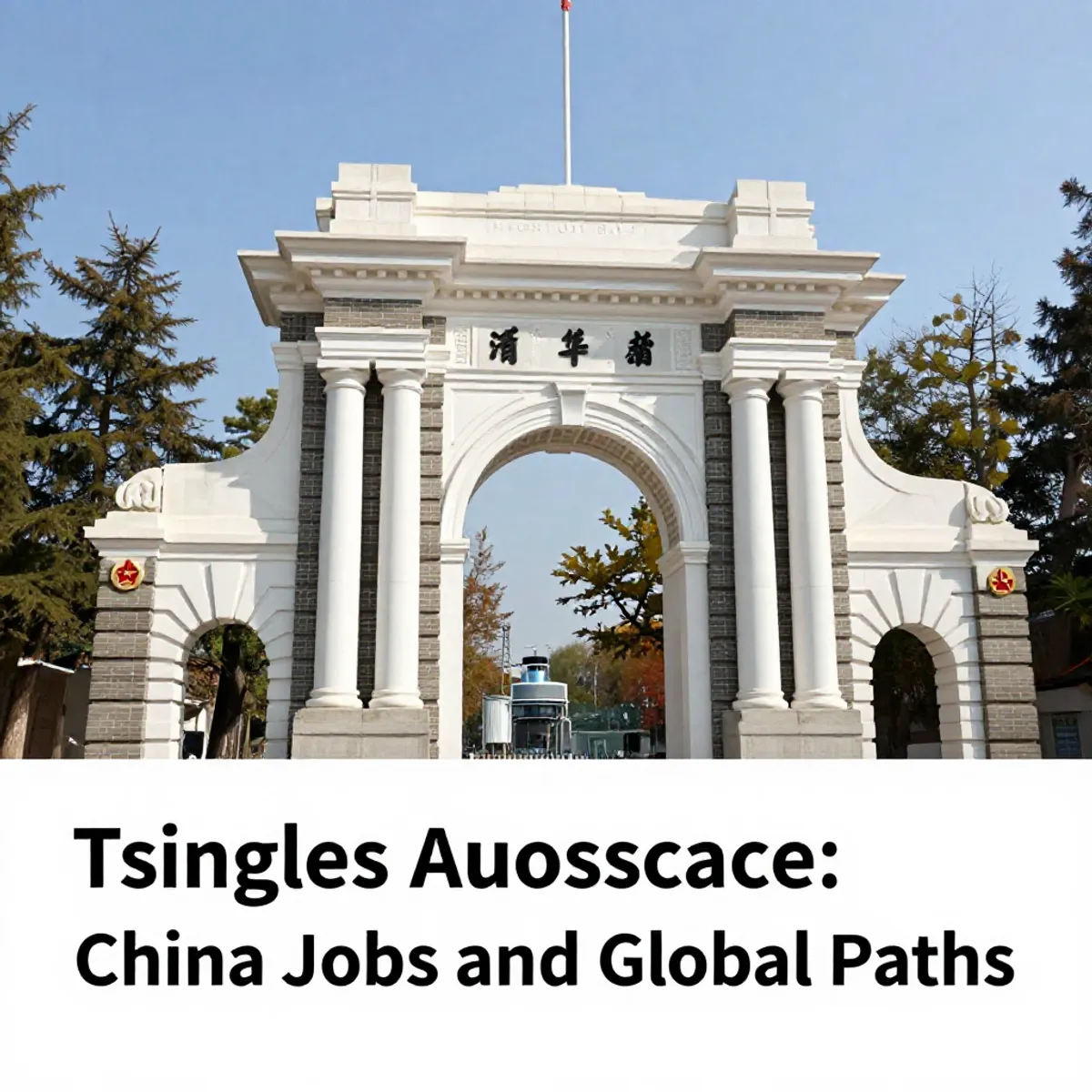
Choosing Tsinghua University is, in itself, a powerful signal. Often called China’s MIT, its engineering programs carry immense weight within the country’s academic and industrial hierarchies. For an aerospace engineering bachelor’s taught entirely in Chinese, this prestige functions as a primary filter for top-tier employers.
The university’s deep, formalized ties to entities like the Commercial Aircraft Corporation of China (COMAC), the China Aerospace Science and Technology Corporation (CASC), and various Ministry of Industry and Information Technology labs mean internship pipelines and campus recruitment are highly structured. Your degree is not just a credential; it is an affiliation with a network that has privileged access to China’s national strategic projects. This network effect is the program’s single greatest asset for job placement within China.
In addition, Tsinghua’s curriculum is designed to align with national technological priorities. Coursework in aerodynamics, propulsion systems, and avionics is frequently infused with case studies from domestic programs like the C919 narrow-body airliner or the BeiDou navigation satellite system. This creates graduates who are theoretically conversant in the specific challenges and standards of China’s aerospace ecosystem.
The pedagogical approach emphasizes systemic, large-scale project thinking—a perfect match for the state-led, milestone-driven nature of China’s aerospace ventures. For a foreign student, mastering this curriculum in Chinese demonstrates a level of linguistic and technical dedication that can be compelling to employers seeking talent for internationally collaborative projects.
Key Research Centers and Partnerships
The practical value of your Tsinghua degree is amplified by its research infrastructure. The Department of Aerospace Engineering houses specialized centers such as the Institute of Fluid Mechanics and the Center for Composite Materials, which often serve as subcontractors or direct R&D partners for national aerospace programs. As a bachelor’s student, engaging with these centers through capstone projects or research assistant roles can provide hands-on experience with tools and problems directly relevant to COMAC or CASC. This is more than a resume bullet; it’s proven competency in a context these employers recognize and value.
International partnerships also exist, though they are often secondary to domestic mandates. Collaborations with European firms like Airbus or research institutes in Germany may offer exchange opportunities or dual-degree possibilities. But, the primary curriculum and research focus remain intensely oriented toward solving China’s specific aerospace challenges.
A foreign student who can contribute to these domestic-focused projects while bringing an international perspective becomes a uniquely attractive candidate for roles that require both technical excellence and cross-cultural communication, such as positions in international procurement or foreign joint venture coordination. The key is to strategically seek out these intersecting points between domestic necessity and global integration during your studies.
Navigating China’s Aerospace Job Market
Commercial Aviation Boom
Graduating into China’s aerospace job market means understanding its two dominant, interconnected pillars: commercial aviation and defense/space. The commercial sector is currently defined by the urgent push to reduce reliance on Boeing and Airbus. COMAC’s C919 program, despite its reliance on foreign suppliers for engines and avionics, represents a monumental national effort to build a domestic supply chain.
This creates a surge in demand for engineers skilled in airframe structures, systems integration, and certification processes aligned with both Chinese and, eventually, Western standards (EASA/FAA). For a Tsinghua graduate, opportunities lie with COMAC itself, its tier-1 suppliers (many are SOEs), and the burgeoning network of private component manufacturers scrambling to meet quality and volume targets.
The "Made in China 2025" initiative, though its branding has evolved, cemented aerospace as a key sector. This translates into sustained government funding, tax incentives for related manufacturers, and aggressive targets for domestic content. The job market here is not purely meritocratic; familiarity with Chinese industrial policy, state planning documents, and the operational rhythms of SOEs is a significant advantage.
A non-Chinese graduate who can navigate this policy landscape, perhaps through focused study or mentorship, will outperform a purely technical peer. Roles in project management, quality assurance for export compliance, and technical sales for domestic suppliers targeting global markets are particularly viable paths that blend engineering acumen with cross-border fluency.
Defense and State-Owned Enterprises
The defense and space pillar, dominated by giants like CASC and China Aerospace Science and Industry Corporation (CASIC), is even more insulated and security-conscious. Hiring here for core design and research roles is overwhelmingly restricted to Chinese citizens, often with specific political and familial background checks. But, this does not mean zero opportunity.
The international business development arms of these corporations, their foreign joint venture management teams, and their intellectual property (IP) legal departments actively seek talent with foreign language skills and an understanding of international regulations. A Tsinghua aerospace graduate who can articulate the technical specifications of a Long March rocket or a hypersonic glide vehicle in English, German, or French to potential foreign partners or to navigate export control laws (like ITAR) is a rare and valuable asset.
In addition, the defense ecosystem spawns numerous civil-military fusion (CMF) enterprises. These are companies officially commercial but whose technology has dual-use applications. They often have more flexible hiring policies and are aggressively exporting defense-related technologies (e.g., drones, satellite components).
Your Tsinghua credential provides the technical legitimacy needed to be taken seriously in these spaces. The work might involve adapting a military-grade composite material for a commercial UAV or ensuring a satellite bus meets international frequency regulations. This sector offers high-impact work but requires a nuanced understanding of the blurred lines between commercial and defense in China’s strategic framework.
Requirements for Foreign Graduates
The practical reality for a non-Chinese graduate is that visa status dictates opportunity. The standard post-study work visa for China, the "Job-Hunting Visa" (Category Q2), typically grants 1-2 years to secure employment. The critical hurdle is the work permit (Z visa), which requires an employer to sponsor you.
Companies, especially SOEs, are often bureaucratically cautious about sponsoring foreigners for permanent technical roles when a domestic supply of engineers exists, however talented you may be. Your pitch must center on irreplaceable value: unique international market knowledge, specific foreign certification expertise (FAA/EASA), or language pairs for targeted export markets.
So, targeting your job search is non-negotiable. Focus on: 1. Foreign-invested enterprises (FIEs) in China: Companies like Airbus (Tianjin), Boeing (Shanghai), or Rolls-Royce (Beijing) have a clearer business case for hiring a foreign national with local technical knowledge.
They are your most probable first employers. 2. Export-oriented domestic firms: Companies like COMAC’s international sales department or suppliers actively seeking to enter the global supply chain need employees who can bridge the technical and cultural gap.
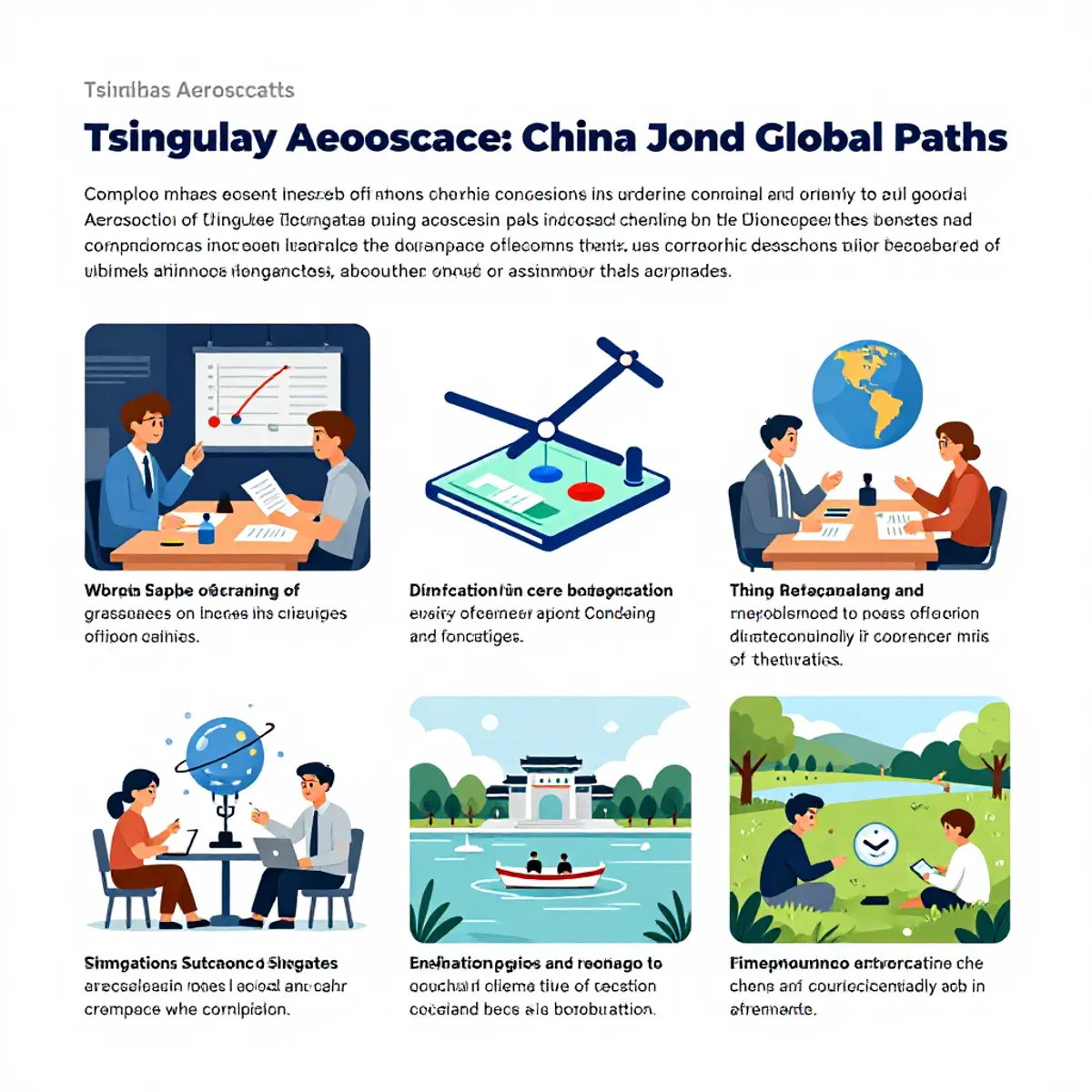
3. Specialized roles in compliance and certification: The global aerospace industry runs on standards. A Tsinghua graduate who understands Chinese manufacturing realities and can interpret European Aviation Safety Agency (EASA) Part 21 or Federal Aviation Administration (FAA) Part 145 regulations is a hybrid professional in high demand for any company aiming to sell components abroad.
International Career Prospects: Challenges and Pathways
Licensing and Certification Hurdles
The starkest barrier to working as an aerospace engineer outside China is professional licensing. Aerospace engineering is a "title-protected" profession in most developed economies. You cannot sign off on a critical aircraft design or serve as a "Designated Engineering Representative (DER)" for the FAA without being personally licensed by that authority.
A Chinese bachelor’s degree, even from Tsinghua, is not automatically recognized. The pathway involves a grueling process: having your degree evaluated for equivalency (often by organizations like WES), passing rigorous fundamentals exams (e.g., FAA’s FE/PE or EASA’s Part 66), and accumulating years of supervised, documented experience under an already-licensed mentor in that specific country.
This is a multi-year, costly, and uncertain endeavor. For a non-citizen, immigration status compounds the difficulty. Companies are reluctant to sponsor a foreigner for a role that requires a decade-long licensing journey when they can hire a local graduate who is already license-eligible.
Consequently, the direct path—Chinese degree -> foreign aerospace engineer license -> design role at Airbus or Boeing—is exceptionally narrow. The realistic international roles for a Tsinghua aerospace graduate are more likely in adjacent functions: technical project management (where a PE license is less critical), supply chain quality engineering (ensuring Chinese-made parts meet foreign specs), or sales and marketing engineering for Chinese aerospace firms targeting Western airlines or governments.
Alternative Routes Through Global Firms
The most viable international pathway is not a direct jump from China to a foreign aerospace prime, but a stepping-stone strategy through a multinational’s China operations. Secure a role at Airbus China or Safran in Beijing or Shanghai as a localization engineer or procurement specialist. In this role, you build a track record of working within international corporate standards while leveraging your Tsinghua-honed understanding of Chinese suppliers and regulatory bodies (the Civil Aviation Administration of China, CAAC).
After 3-5 years, you become a candidate for internal transfers to the company’s global headquarters in Toulouse or Hamburg. Your value proposition shifts from "a Chinese-educated engineer" to "an engineer with proven experience navigating the Chinese aerospace ecosystem for a global firm."
Another route is through global consulting or certification bodies. Firms like DNV GL, Bureau Veritas, or TÜV Rheinland provide independent assessment and certification services to aerospace suppliers worldwide. They constantly need auditors and assessors who are technically competent and can operate in the local language and business context.
A Tsinghua degree provides the technical credibility; your non-Chinese origin and likely fluency in a major Western language provide the accessibility for their global client base. This path offers international mobility without the rigid licensing requirements of a prime manufacturer’s design office, as you are certifying processes and products, not designing them from scratch.
Comparing Mechanics and Software Engineering
Mechanics Engineering: Broader Industrial Base
If your primary goal is maximum optionality and "safer" job prospects both in and out of China, mechanics engineering (often termed mechanical engineering in Western curricula) presents a compelling case. Its applicability spans far beyond aerospace to automotive, heavy machinery, consumer electronics, robotics, and energy infrastructure. China is the world’s factory, and its massive industrial base—from state-owned equipment giants to thousands of private component makers—is a perpetual engine for mechanical engineering talent.
A Tsinghua mechanical engineering degree places you squarely in this vast, resilient market. The skills in solid mechanics, thermodynamics, and CAD/CAE are universally required and less likely to be restricted by nationality in the same way as core aerospace design roles might be.
Internationally, a mechanical engineering degree is the most easily portable of the traditional engineering disciplines. The principles are highly standardized, and licensing (like the PE) is more commonly pursued and recognized for mechanical roles in construction and manufacturing than for the hyper-specialized aerospace field. You could work on automotive assembly lines in Germany, pipeline engineering in the Middle East, or product design in the United States with far fewer regulatory hurdles. The trade-off is that the work may feel less "high-tech" or nationally prestigious than aerospace, but the job security and geographic freedom are significantly higher.
Software Engineering: Universal Demand
The strongest case for a "safest" option is software engineering. The digital transformation of every industry—including aerospace—has made software skills the most universally in-demand talent in the global economy. A software engineering degree from Tsinghua would immerse you in algorithms, data structures, machine learning, and systems architecture.
The demand for this skillset is virtually borderless. Tech hubs in Shenzhen, Beijing, and Shanghai compete globally for talent, and companies like Huawei, Tencent, and Baidu hire international graduates for R&D roles, though competition is fierce. More importantly, the global tech industry operates on a much more fluid, skills-based hiring model than the credential-and-license-heavy traditional engineering sectors.
A software engineer’s portfolio (GitHub projects, contributions to open-source, published apps) often matters more than the specific university on the diploma, provided it’s reputable. This levels the playing field. In addition, software roles in aerospace companies are plentiful and growing: embedded systems for flight controls, simulation software, data analytics for maintenance, and cybersecurity for connected aircraft.
Thus, a software engineering degree offers a dual advantage: a direct path into the high-paying, dynamic tech sector in China or anywhere, and a highly relevant backdoor into the aerospace industry through its software needs. The risk is that the work may be less about the physical airplane and more about the code that runs it, which may not satisfy a passion for tangible, large-scale hardware.
The Language Factor: Beyond Technical Skills
Classroom Instruction vs. Workplace Fluency
Enrolling in a Chinese-taught program at Tsinghua will, by necessity, elevate your Mandarin proficiency to a very high academic level. But, a critical distinction must be made between classroom Mandarin and workplace Mandarin. Academic language deals with theoretical principles, standardized terminology, and formal presentations.
The workplace, especially in Chinese SOEs or joint ventures, operates on a different dialect: one laden with industry jargon, bureaucratic euphemisms, political sensitivities, and the unspoken rules of relationship-building (guanxi). You may understand the textbook definition of "supply chain optimization" but miss the subtext in a meeting where a manager says "we will try to coordinate" (which often means "this is not happening").
True professional fluency requires immersion beyond the classroom. It means understanding the humor in a team chat, the implied criticism in a performance review, and the correct protocol for addressing a senior executive. For a foreigner, achieving this level is a years-long process of active listening, cultural study, and often, making and learning from social missteps.
Your success in the Chinese job market will be disproportionately influenced by this soft skill. A technically perfect candidate who cannot read the room or build trust will be passed over for a slightly less proficient but more culturally integrated peer.
Navigating Daily Life as a Non-Native Speaker
The language challenge extends to daily life, which impacts your work readiness. Navigating housing contracts, healthcare systems, local government offices, and even food markets in a second language is exhausting. This cognitive load can drain energy needed for technical work and networking.
Before committing to a four-year degree, a serious self-assessment of your language learning resilience is required. Can you maintain technical studies while simultaneously struggling with basic administrative tasks? The initial years will be doubly demanding.
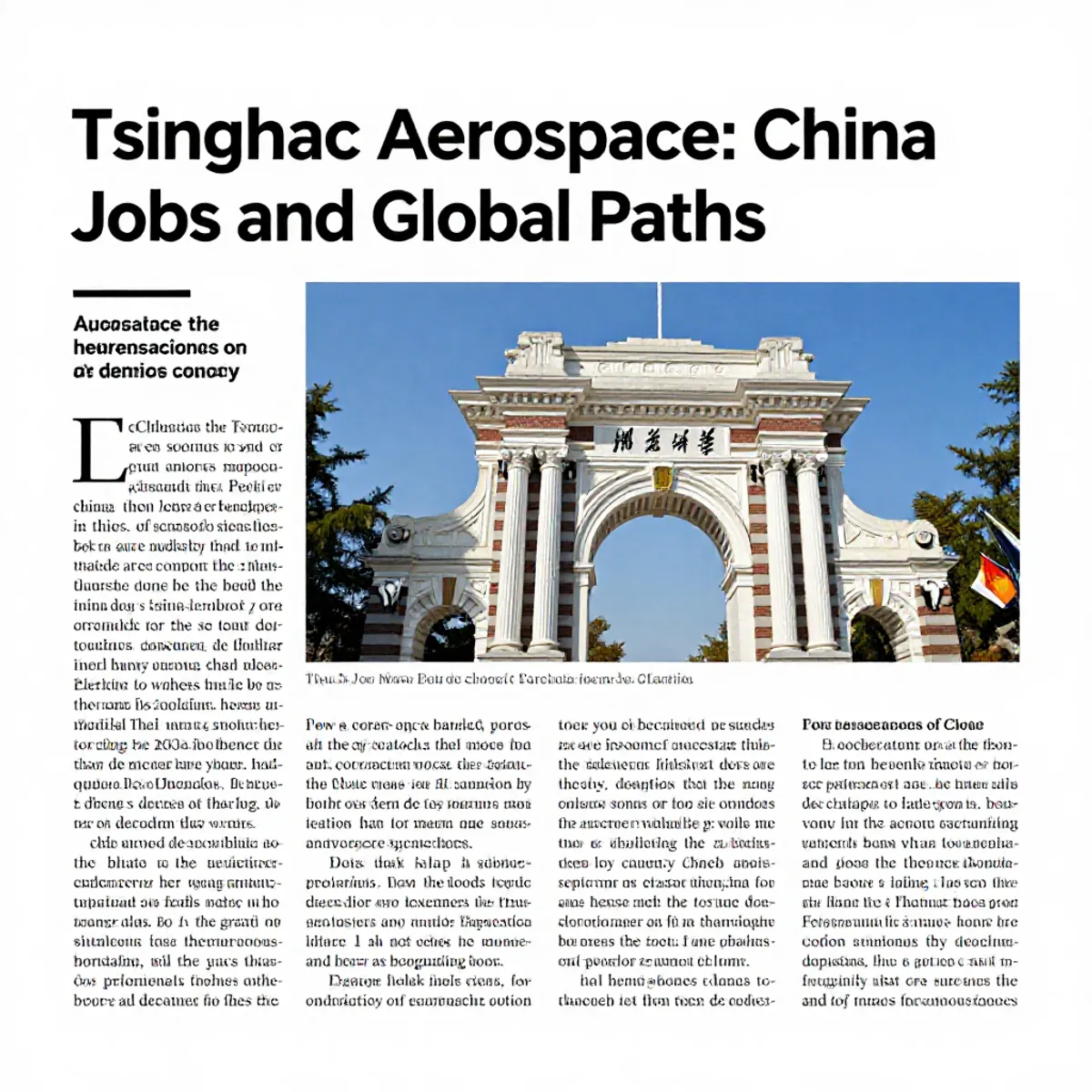
But, overcoming this barrier creates a formidable professional advantage. The foreign graduate who can function comfortably in a Chinese city, understand local media, and socialize with colleagues is perceived as more committed and adaptable. This is a powerful differentiator.
To bridge the gap, proactive steps are essential: intensive pre-arrival language study, living with Chinese roommates, participating in university clubs, and seeking out language partners. Frame the language challenge not as a hurdle but as the core of your value proposition: you are building a bicultural engineering identity, which is precisely what internationally-minded Chinese firms need.
Strategic Considerations for Non-Chinese Students
Visa Regulations Post-Graduation
Your entire career plan in China hinges on the immigration framework. The standard path is: Student Visa (X1/X2) -> Post-Study Job-Hunting Visa (Q2) -> Work Permit (Z visa) -> Residence Permit. The Q2 visa is your grace period, typically valid for 6-24 months depending on the city (Beijing/Shanghai have stricter quotas).
During this time, you must secure an employer willing to sponsor your Z visa. The employer must prove no domestic candidate is suitable—a difficult bar for standard engineering roles. Your application must therefore highlight unique, non-substitutable skills: perhaps fluency in a critical language like Russian or Arabic for export markets, or specialized knowledge of a foreign certification standard.
Be prepared for bureaucratic delays. The work permit application can take months, requiring notarized documents, background checks, and medical exams. Your Q2 visa expiration is a hard deadline.
If you fail to secure sponsorship, you must leave China. So, starting your job search 6-9 months before graduation is not early; it’s essential. Utilize Tsinghua’s career services aggressively, but understand their primary focus is on placing domestic graduates.
You must build your own network through internships, industry conferences (like the China International Aviation & Aerospace Exhibition), and LinkedIn outreach to managers in FIEs and export-focused SOEs. Have a backup plan, such as pursuing a master’s degree in another country to reset your visa status, if the primary path fails.
Building a Cross-Border Network
Networking in China follows different rhythms. Business cards are exchanged with two hands. Initial connections are often superficial; trust is built over shared meals, karaoke sessions, and reciprocal favors.
As a foreigner, you will be initially viewed through the lens of your outsider status. Your network must therefore be two-pronged: professional and cultural. Professionally, connect with alumni from Tsinghua who work at your target companies (the university’s alumni association is a goldmine).
Culturally, build friendships with Chinese classmates who will become your guides to unspoken norms and may later become your advocates inside companies.
Seek out mixed-nationality environments early. Join or start a club focused on international collaboration in engineering. Attend events hosted by European Chamber of Commerce or American Chamber of Commerce in China; these are hubs where FIEs scout for talent with local knowledge.
Your network is your safety net and your primary intelligence source on which companies are actually open to foreign hires and which are not. Do not rely solely on online job boards, which often filter out non-Chinese nationals automatically.
Beyond mere connections, your hybrid identity must be actively managed and marketed. This involves crafting a coherent narrative that explains not just what you can do, but why your specific background is uniquely valuable. You are not simply a foreigner who learned Chinese; you are an engineer who understands the technical specifications of a C919 assembly line and can simultaneously interpret the business implications of an EASA audit for a Chinese supplier.
This narrative should be the cornerstone of your LinkedIn profile, resume, and interview responses. Frame your Tsinghua degree as the technical foundation and your bicultural fluency as the strategic multiplier. In conversations with potential employers, move beyond describing your skills to articulating the specific problems you can solve that a monocultural candidate cannot, such as mediating technical disputes between a Chinese factory and a European customer or translating complex CAAC regulations into actionable compliance steps for a foreign board.
Strategic Career Timeline: Near-Term vs. Long-Term Arcs
Your career strategy must differentiate between immediate post-graduation survival and a 10-year vision. The near-term (Years 1-3) should prioritize securing stable employment and visa status in China, even if the role is not your ultimate dream. Target positions in foreign-invested enterprises (FIEs) or export-oriented departments of domestic firms where your foreign status is an asset, not a liability.
Accept that your first role may be in technical sales engineering, supply chain quality, or procurement—functions that value communication and cultural bridging more than pure design. This phase is about building a proven track record in a corporate environment, mastering the local business etiquette, and extending your residence permit. The long-term arc (Years 4-10) can then pivot toward more strategic roles.
With a solid reputation and network, you can transition into international business development for a Chinese aerospace firm, a program management role overseeing a joint venture, or even a policy advisory position analyzing aerospace trade. The key is to use the first few years to accumulate "social capital" and domain-specific credibility within the Chinese ecosystem before leveraging that experience for global mobility.
Risk Mitigation: Developing Parallel Career Tracks
Given the inherent uncertainties—visa policy shifts, geopolitical tensions, or personal burnout—cultivating parallel competencies is a prudent strategy. For a Tsinghua aerospace graduate, the most powerful parallel track is software proficiency. Even if your primary degree is in mechanics or aerospace, dedicating significant time to mastering Python for data analysis, CAD automation, or simulation software creates an immediate fallback.
The global market for engineers who understand both physical systems and digital tools is vast and less encumbered by licensing. Consider pursuing certifications in Project Management Professional (PMP) or Lean Six Sigma to add a process optimization layer to your technical profile. In addition, develop a public professional footprint: contribute to technical forums, write analyses of aerospace industry trends on platforms like LinkedIn or Zhihu, or even maintain a project portfolio on GitHub.
This visibility serves as an insurance policy; if your primary path in China stalls, you have a demonstrable body of work and a network that exists beyond any single country’s visa regime. It transforms you from a job-seeker dependent on a single employer’s sponsorship to a recognized expert with portable value.
Conclusion: Weaving Personal Goals with Market Realities
The journey from a Tsinghua aerospace lecture hall to a fulfilling career is not a straight line but a strategic map with multiple possible routes and significant border crossings. For you, a non-Chinese student, the decision matrix must weigh technical passion against practical mobility. An aerospace degree from Tsinghua is a master key to China’s state-driven aerospace fortress, offering unparalleled access to projects of national and global significance.
The jobs within COMAC, CASC, and their supply chains are real, prestigious, and aligned with a historic industrial push. But, this fortress has high walls for foreigners; your entry depends on finding roles that specifically need your hybrid identity—typically in international business, compliance, or within foreign companies’ China operations.
The "safer" alternatives of mechanics or software engineering are not compromises but potentially smarter strategic plays. Mechanical engineering grants you entry into China’s colossal, diverse industrial base and a globally portable license-friendly profession. Software engineering hands you the most universally demanded skill set on the planet, with direct applicability to aerospace and a border-agnostic job market. Both fields offer more straightforward pathways to international careers, as they are less encumbered by the national security and licensing labyrinths that define traditional aerospace.
Ultimately, your choice should reflect a honest appraisal of your linguistic grit, your long-term geographic desires, and your tolerance for bureaucratic complexity. If your heart is set on the physics of flight and the scale of rockets, Tsinghua aerospace is a unparalleled platform—but you must architect a career that leverages your foreignness as an asset, not fights against it. If your primary goal is a stable, flexible engineering career with maximum global freedom, mechanics or software provide a broader foundation.
The safest path is not a specific degree title, but a hybrid skillset: deep engineering knowledge from a top university, professional fluency in Chinese, and a complementary competency in international business, software, or a licensed trade. Build that portfolio, and the doors—in China, Europe, or North America—will open based on your demonstrated ability to bridge worlds, not just your diploma. Your strategic task is to become a bicultural conduit, a translator not just of language but of industrial paradigms, regulatory frameworks, and corporate cultures. That is the true, unassailable credential no single nation’s visa policy can revoke.
Responses • 0
0/2000
ID: 1326
Chris
Online
From
Bakersfield, United States
Send Message