The Mystery of the Missing Seatbelt Buckle
AI Learn Chinese
3 hr • 0 read
Why do Didi drivers in China remove seatbelt buckles and cover rear windows? Exploring the logic behind common vehicle modifications.
Introduction: A Puzzling Observation
After spending about a month in China, the overwhelming experience has been positive. The energy, the history, and the daily life are compelling. Yet, a small, recurring sight in ride-hailing cars sparks persistent confusion.
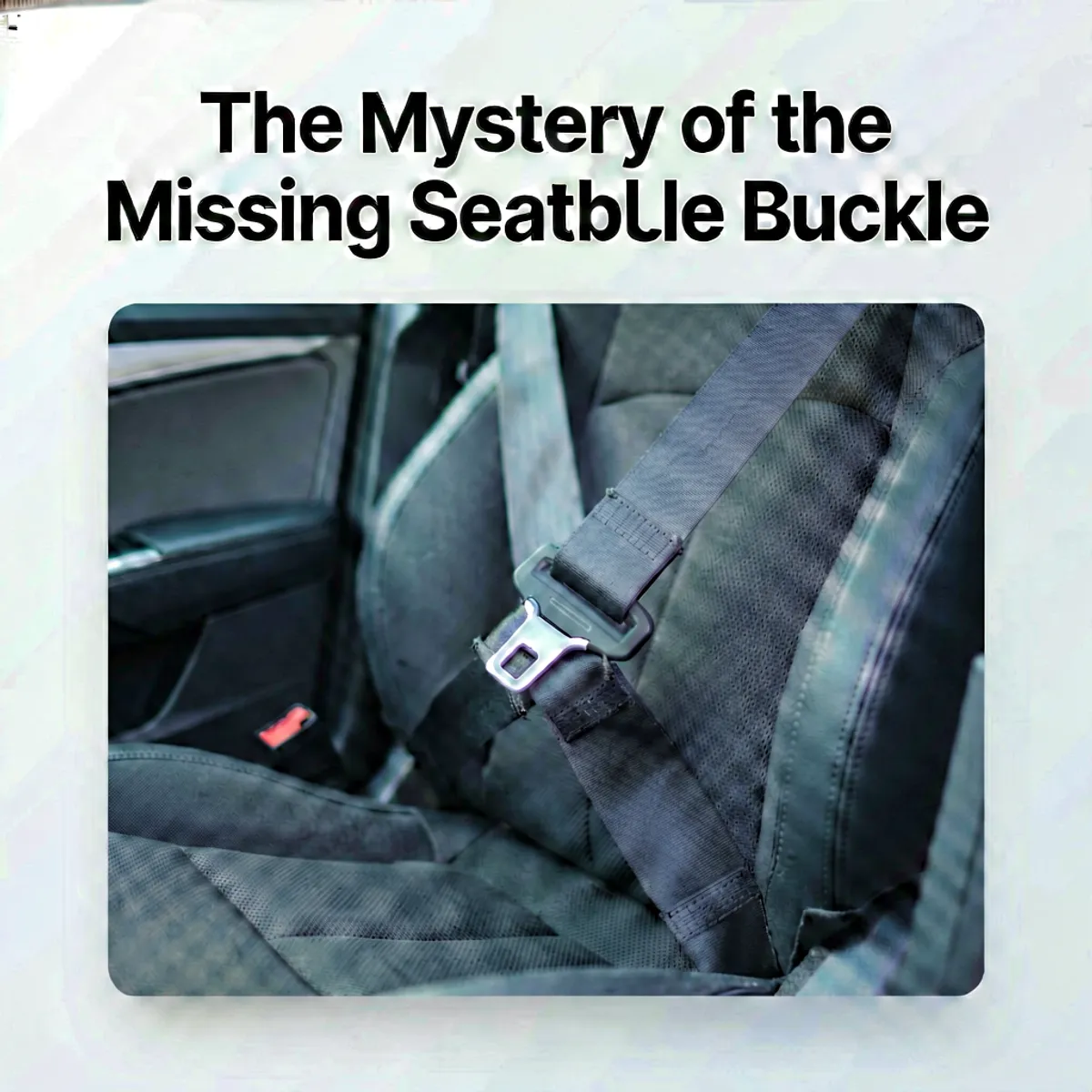
It involves a specific modification: the deliberate removal of a seatbelt buckle. This act is often paired with another common sight—a cover draped over the rear window. The summary of this phenomenon is straightforward.
a number of locals reportedly do not want to use seatbelts. While that cultural preference is itself a topic of discussion, it does not fully explain the subsequent action. The frustration stems from the active effort to tear the buckle out.
This destruction removes a passenger’s option and leaves an unsightly hole in the seat. The core question remains: why would anyone want to do that?
This article will dissect this peculiar practice. We will move beyond initial assumptions to explore the layered reasons. These reasons sit at the intersection of economics, regulation, culture, and vehicle ownership.
The analysis will focus primarily on the context of Didi, China’s dominant ride-hailing platform. The goal is not to judge but to understand the rationale, however flawed it may seem. We will examine the seatbelt paradox in China, the specific pressures on Didi drivers, and the logic—or lack thereof—behind disabling safety equipment.
The rear window cover will be analyzed as a parallel symptom of a broader mindset. Ultimately, we will consider what this means for passengers and the potential pathways for change by 2026.
The Seatbelt Paradox in China
A Culture of Non-Compliance?
The observation that many people in China do not want to use seatbelts is widely noted by foreigners. This creates an immediate cultural paradox. In many Western countries, buckling up is an automatic, legally enforced habit.
In China, the backseat in particular is often seen as a place of relaxation where seatbelts are optional or ignored. This is not a universal truth, but a prevalent enough behavior to be noticeable. The reason for this is multifaceted.
It involves historical vehicle design, enforcement inconsistency, and a different perception of personal risk versus state authority. Understanding this baseline attitude is crucial. It explains why a broken buckle might not be repaired.
If the feature is unwanted, its malfunction is not a pressing issue. But, it does not explain the escalation to active removal.
Historical Context and Vehicle Design
For decades, many Chinese-made vehicles, especially budget models, did not come with rear seatbelts as standard. This normalized their absence for an entire generation of passengers. Even when they were installed, the habit of using them never firmly took root.
The seatbelt was sometimes seen as an unnecessary constraint, a symbol of overbearing regulation rather than a lifesaving device. This historical lack means that for many, the muscle memory to reach for a belt simply does not exist. The behavior is passed on, creating a cycle where new car buyers may not prioritize this feature.
So, a driver who never uses their own or their passengers' seatbelts sees little value in a functional buckle. Yet, this passive neglect is different from the active vandalism of tearing it out.
Didi’s Economic Pressures
The Driver’s Profit Equation
To understand the removal, one must first understand the Didi driver’s economic reality. Driving for Didi is a job with razor-thin margins. Every yuan of income must be weighed against fuel, maintenance, platform commissions, and vehicle depreciation.
Drivers are independent contractors, not employees. They bear all costs of ownership and operation. A vehicle is their primary asset and tool.
Any issue that reduces its usability for paying passengers directly impacts their daily income. The calculus is simple: time spent on repairs is time not earning. The cost of a part and labor is a direct hit to profits.
In this high-pressure environment, drivers make constant, pragmatic decisions about what to fix and what to ignore.
Maintenance Avoidance as a Survival Strategy
A broken seatbelt buckle presents a choice. Repairing it might cost 200-500 yuan and a few hours at a shop. For a driver making perhaps 300-500 yuan net profit on a good day, this is a significant expense and loss of time.
The alternative is to do nothing. But doing nothing leaves a non-functional buckle. A technically savvy or frustrated passenger might complain to Didi support.
This could lead to a negative rating for the driver, which affects their ability to get rides. Ratings are everything on the platform. To preempt this complaint and the associated risk, a driver might choose a more permanent, albeit destructive, solution.
Removing the buckle eliminates the point of failure and the source of potential criticism. It is, in their mind, a fix that prevents future problems and costs.
The Act of Removal: From Broken to Gone
The Tear: A Deliberate Act
This is the critical step that transforms neglect into active modification. The summary notes the effort of "actively tearing the buckle out." Why not just leave it broken? The act of removal is a powerful signal.
It is a statement that the seatbelt option is not just unavailable; it is intentionally erased. The driver is not passively accepting a defect; they are actively creating a new, permanent state of the vehicle. This suggests a deeper motivation than simple cost-saving.
It is about controlling the passenger’s experience and expectations. By tearing it out, the driver removes any ambiguity. There is no longer a "broken" buckle that a passenger might ask about.
There is only a hole, a clear visual cue that seatbelt use was never an option here. It manages the interaction before it can begin.
The Hole: An Ugly Truth
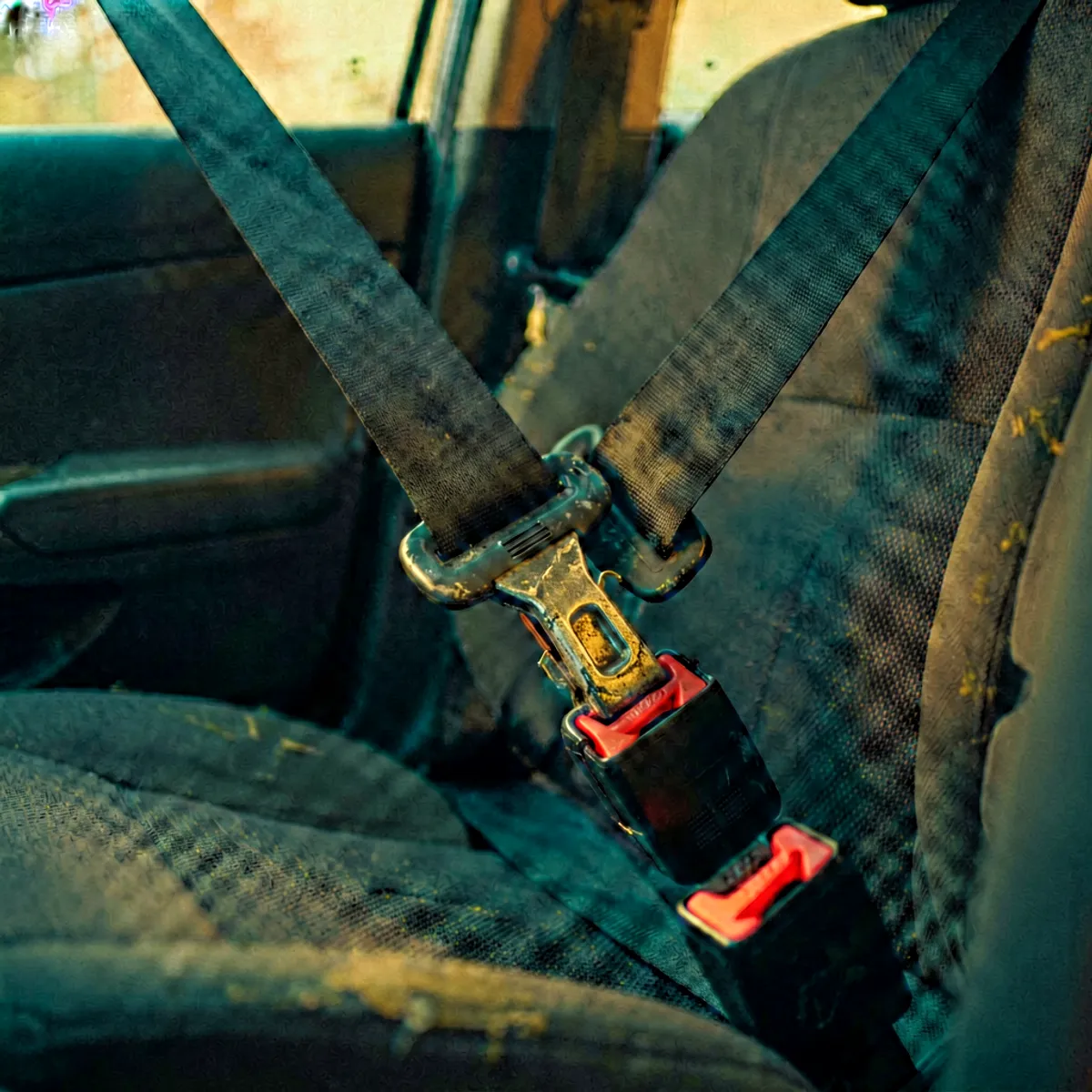
The result is an "ugly weird hole in the seat." This aesthetic damage is a secondary cost the driver is willing to accept. The hole serves as a badge of this pragmatic, if crude, decision-making. It is a testament to the economic pressure that prioritizes short-term operational continuity over long-term vehicle condition or passenger comfort.
For the driver, the hole is invisible after a while, or it is a small price to pay for avoiding rating hits and repair bills. For the passenger, it is a jarring sight. It communicates disregard for a safety feature and a certain resignation to the vehicle’s degraded state.
It makes the abstract concept of "they don't care about seatbelts" viscerally concrete. The act of tearing it out is not about necessity; it is about permanently closing a door to avoid future questions.
The Rear Window Cover: A Parallel Modification
Privacy, Utility, and Concealment
The covered rear window is a near-universal sight in Didis, especially in hotter months or sunnier climates. The official reason is often passenger comfort—blocking harsh sunlight and reducing heat inside the car. This is a legitimate utility.
Sunshades are common and reasonable. But, the cover in question is often a makeshift towel, a piece of cardboard, or a permanently affixed opaque fabric. This goes beyond a simple sunshade.
It creates a significant blind spot for the driver, which is a safety concern in itself. So why take that risk? The answer may lie in its secondary function: concealment.
A covered rear window hides the backseat from casual view. This can prevent potential issues. It hides clutter, worn seats, or—crucially—the very hole left by a removed seatbelt buckle.
The cover and the missing buckle may be two parts of the same strategy: controlling what the passenger sees and experiences.
A Layer of Separation
The cover creates a physical and psychological barrier between the driver’s domain (the front) and the passenger’s space (the back). It signals that the backseat is a secondary, less-maintained area. It allows the driver to present a clean, controlled front cabin while obscuring the state of the rear.
This aligns with the mindset that leads to buckle removal. If the backseat is merely a cargo space for humans, not a space requiring full safety amenities, then covering its window is a logical extension. It manages the passenger’s field of vision, potentially reducing complaints about the car’s interior condition or the missing safety features.
The passenger is visually isolated, making the missing buckle less obvious until they try to use it. It is a low-cost, high-impact modification that serves multiple purposes, the primary one being the avoidance of negative feedback.
Safety vs. Convenience: The Core Conflict
The Passenger’s Dilemma
For the foreign or safety-conscious passenger, this situation creates a dilemma. The instinct is to want to use the seatbelt. The discovery of its absence or removal triggers concern.
Do you say something? Do you refuse to ride? Do you just accept it?
Speaking up risks offending the driver and earning a low rating, which can affect your own ability to get rides in the future on the platform. The system’s rating symmetry traps both parties. The passenger may want to enforce their safety preference but often feels they cannot due to the social and practical pressures of the app-based interaction.
This leads to silent acquiescence. The passenger’s desire for safety is overridden by a desire for a smooth, unconfrontational trip. The driver’s modification has successfully removed the option and, by extension, the debate.
The Calculus of Risk
The driver’s decision is a cold calculus of perceived risk. The tangible, immediate risks are: repair cost, lost earning time, and a passenger complaint leading to a bad rating. The abstract, probabilistic risk is: a traffic accident where the lack of a seatbelt contributes to injury.
For a driver living day-to-day, the immediate financial risks are concrete and daily. The accident risk is remote and statistical. This cognitive bias toward immediate, certain losses over long-term, uncertain ones is powerful.
Removing the buckle eliminates the first set of risks entirely. The second set is dismissed as negligible or "it won't happen to me." This is not unique to China but is amplified by the intense economic pressure and regulatory environment of the gig economy. The modification is a shield against the platform’s feedback mechanisms, not a shield against physical harm.
Regulatory Gaps and Enforcement
The Law on the Books vs. Reality
Chinese traffic law requires all passengers to wear seatbelts. The law is clear. But, enforcement, especially for rear-seat passengers in private vehicles, is notoriously inconsistent.
Traffic police in many cities focus on front-seat compliance and more serious violations. The penalty for a rear passenger not wearing a belt is often a small fine, and the chance of being stopped for that sole offense is low. This creates a huge gap between legal requirement and practical reality.
Drivers and passengers know this. The law lacks "teeth" in this specific domain. So, the driver removing a buckle is not, in their mind, breaking a law that will be punished.
They are dealing with a reality where the law is a dead letter for this particular issue. Their enemy is not the traffic police; it is the Didi rating system and the cost of repairs.
Platform Policy as the De Facto Regulator
For Didi drivers, the platform’s rules are the immediate and powerful regulator. A pattern of low ratings or complaints can lead to warnings, decreased ride allocation, or deactivation. This is a direct, personal, and immediate threat to their livelihood.
National traffic law is abstract and rarely enforced on them for this issue. Consequently, they engineer their vehicles to comply not with the law, but with the perceived demands of the platform’s rating algorithm. Removing a problematic buckle prevents a specific type of complaint.
Covering the rear window manages the overall impression of the car. These are adaptations to the de facto regulatory environment, which is the platform’s user feedback system. The state sets a rule, but the platform’s economic incentives create a conflicting pressure that often wins.
Cultural Undercurrents: Beyond Simple Law-Breaking
Individualism and State Authority
The attitude toward seatbelts can be viewed through a lens of individualism versus collective authority. In some cultural narratives, resisting the seatbelt is a small, personal assertion of freedom against a perceived nanny state. The seatbelt alarm’s persistent beeping is often disabled or ignored, a small rebellion.
The act of tearing out the buckle takes this further. It is a permanent, defiant alteration of the vehicle to reclaim personal space and autonomy from both the manufacturer’s design and the state’s regulation. This is a subtle form of resistance, common in many societies, where individuals modify their property to bypass what they see as inconvenient or overreaching rules.
It is not a political act, but a personal one, rooted in a desire for unencumbered movement.
The "It Won't Happen to Me" mentality
Closely related is the cognitive bias of unrealistic optimism. a number of people believe they are less likely than others to be in a serious accident. This is a universal human trait but can be more pronounced in environments where risk is less visible.
For a driver who has been on the road for years without incident, the seatbelt’s utility is theoretical. Their lived experience tells them they don’t need it. So, maintaining or repairing it is a waste.
The removal is the ultimate expression of this: the feature is not just unused; it is deemed so useless that its physical presence is an insult to the driver’s proven (in their mind) driving skill and luck. This mindset is reinforced by the low probability of a crash occurring on any given trip, making the daily cost of compliance feel perpetually unjustified.
The Passenger’s Dilemma Revisited: Navigating the System
The Power Asymmetry
When a passenger enters a Didi, a subtle power dynamic is established. The driver controls the vehicle, the route, and the environment. The passenger controls the rating and, ultimately, the payment.
But the rating threat is double-edged. A passenger who insists on safety or complains about the missing buckle risks a retaliatory low rating. Didi’s system does not perfectly protect passengers in these disputes.
Drivers can often rate passengers without detailed justification. This creates an asymmetry. The driver has already made a costly modification to avoid complaints.
A new complaint from a passenger threatens that investment. The passenger, therefore, holds a weak hand. They want a safe ride, but they also want to avoid conflict and ensure they can get a car when needed.
This practical concern usually outweighs the principled stand.
Coping Mechanisms
Passengers develop coping mechanisms. Some silently accept it, viewing it as a quirk of the local experience. Others use the front seatbelt if alone, feeling safer there.
Some bring their own portable travel seatbelt (a niche product). Most simply sit in the back and hope for the best, engaging in their own form of risk acceptance. The system fails to provide a clear, safe avenue for the passenger to express their preference without personal cost.
There is no in-app option to request a car with fully functional seatbelts. The passenger’s desire for safety is not a filterable preference. It is left to chance and the individual driver’s (often economically motivated) standards.
This leaves the passenger feeling powerless and the practice unchallenged.
Potential Solutions and Reforms
Engineering and Design Fixes
One technical solution lies in vehicle design. If seatbelt buckles were designed to be more durable and cheaper to replace, the economic calculus might change. Alternatively, Didi could partner with insurers or maintenance networks to offer drivers discounted, rapid repair services for specific safety components.
This would lower the time and cost barrier. From a platform perspective, Didi could introduce a mandatory safety checklist during vehicle onboarding and regular inspections. Random spot checks for functional seatbelts could deter the removal practice, as the penalty for getting caught would outweigh the perceived benefit.
Technology like in-car cameras could be used (with privacy safeguards) to monitor rear-seat compliance, though this raises its own ethical questions.
Regulatory and Platform Policy Shifts
Stronger, consistent enforcement of existing seatbelt laws by traffic police is a blunt but necessary tool. If the risk of a fine for a missing rear seatbelt became real and regular, drivers would think twice. More realistically, Didi could change its rating system.
Complaints specifically about missing or broken safety features could trigger mandatory vehicle inspections, with the cost borne by the driver. This would directly attack the incentive structure. Didi could also run passenger education campaigns, encouraging the use of the "safety" reason for low ratings.
Public shaming through driver leaderboards showing "safety-compliant" vehicles could create positive competition. The goal is to make the economic and reputational cost of removal higher than the perceived benefit.
Cultural Shift Through Visibility
Long-term change requires a cultural shift. This is slow but possible. As more Chinese consumers buy cars with advanced safety systems (AEB, airbags) as a priority, the value of the entire safety ecosystem, including seatbelts, will rise.
Young, urban drivers are already more belt-conscious. As this demographic dominates the roads and the passenger pool, norms will change. Didi can accelerate this by promoting a "safety-first" brand image.
Featuring drivers with pristine, fully functional vehicles in marketing can set a new standard. Making the presence of a working rear seatbelt a visible badge of quality can create a market incentive. The covered rear window and the missing buckle are currently invisible problems to the regulator.
Making them visible through public expectation is key.
Looking Ahead to 2026: A Tentative Forecast
Incremental Progress, Not Revolution
By 2026, we should not expect the complete eradication of these practices. Economic pressures on gig workers will remain intense. But, several trends may converge to create incremental improvement.
First, Didi, facing scrutiny from regulators and investors over platform safety, will likely strengthen its vehicle safety standards. Second, the Chinese government’s ongoing push for higher vehicle safety standards and its "Healthy China" initiatives may lead to more visible enforcement campaigns. Third, as the electric vehicle boom continues, new cars on the Didi platform will increasingly have seatbelts as a non-negotiable, integrated part of a high-tech interior, making removal more difficult and conspicuous.
The New Normal?
We may see a bifurcation. Premium and professional Didi drivers who invest in newer cars will maintain all features to attract higher ratings and avoid any regulatory hassle. The practice of tearing out buckles may become confined to the oldest, most economically strained vehicles, which are slowly being phased out.
The rear window cover will likely persist for sun protection but may become more standardized and less makeshift as car-specific sunshades become ubiquitous. The "missing buckle" will become a rarer sight, a relic of a earlier, more desperate phase of the ride-hailing economy. The passenger’s dilemma will lessen as a critical mass of vehicles on the road are fully equipped, making the request for a safe car a feasible filter.
The culture will not change overnight, but the economic and regulatory landscape will slowly squeeze out the worst offenders.
Conclusion: Understanding the Why
The mystery of the missing seatbelt buckle is not truly about seatbelts. It is a symptom. It is a symptom of extreme economic pressure on independent contractors within a powerful platform economy.
It is a symptom of a gap between written law and enforced reality. It is a symptom of a cultural attitude toward risk and authority that differs from Western norms. The act of tearing it out is a desperate, pragmatic, and destructive solution to a problem defined not by safety, but by the driver’s need to avoid complaints and repair costs within a punishing feedback loop.
The covered rear window is its partner in crime, a tool for managing passenger perception and hiding the evidence.
Understanding this does not mean condoning it. Safety is a non-negotiable public good. But, effective solutions must address the root causes: the driver’s profit equation, the platform’s incentive structure, and the inconsistent enforcement of laws.
Change will come not from shaming individual drivers, but from altering the environment in which they make these grimly rational choices. By 2026, with combined pressure from regulators, platform policy reform, and shifting consumer expectations, this particular modification should become less common. The hole in the seat will remain a stark lesson in how economic desperation can warp the simplest of safety decisions, turning neglect into active sabotage.
The ultimate goal is to align the driver’s want—to earn a stable living—with the passenger’s want—to arrive safely—so that tearing out a buckle no longer seems like a rational choice.
Responses • 0
0/2000
ID: 1326
Chris
Offline
44 min
Visited
From
Bakersfield, United States
Send Message