The Birth of China's Esports TV Era
AI Learn Chinese
3 hr • 0 read
How a small Shanghai startup, GamesTV, pioneered televised esports in China with G League, overcoming huge challenges to build a lasting legacy.
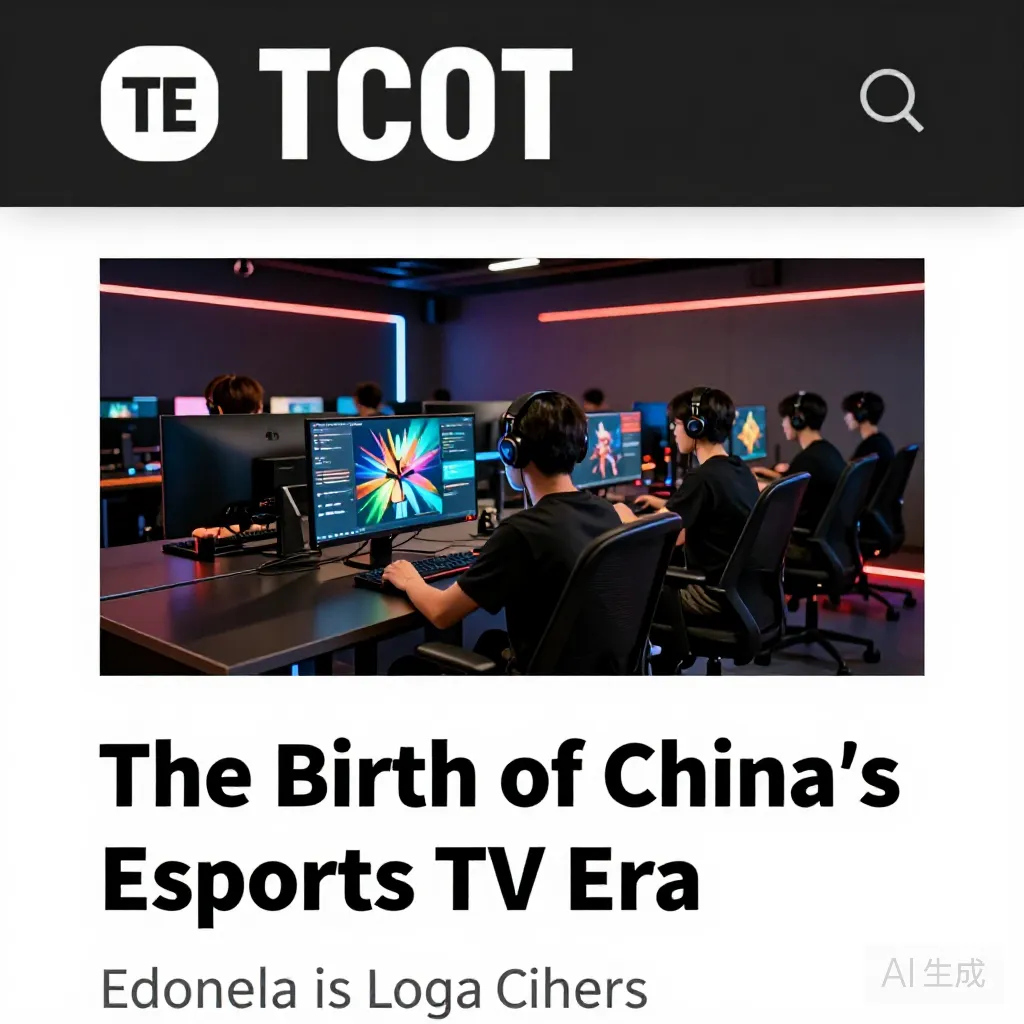
Introduction: A Pioneering Spirit in Shanghais Media Landscape
The mid-2000s were a period of explosive, chaotic growth for video games in China. Yet, the idea of dedicated television programming for this new digital sport seemed like a fringe concept. Against this backdrop, a group of passionate gamers and media professionals made a pivotal decision.
In 2006, following the conclusion of the third StarsWar tournament, a formal transition occurred. An individual deeply involved in this scene moved from the tournament's organizing body to the GamesTV channel at Shanghai Media Group Interactive. This channel operated under the joint name GamesTV at the time.
This seemingly simple career move was a critical step in institutionalizing competitive gaming on Chinese television. It set the stage for the creation of a league that would become a household name for a generation of esports fans. This article chronicles that journey, from a coffee shop dream to the monumental challenge of filling the Mercedes-Benz Arena.
It is a story of conviction, logistical nightmares, and a profound pride in what was built from almost nothing. The narrative is dedicated to the television programmers who saw the potential in pixels and polygons.
The Sentiment: A Positive Reflection on Foundational Years
The overall sentiment surrounding this history is unmistakably positive. It is a retrospective look filled with admiration for the team's resilience and innovative spirit. There is no bitterness about the difficulties faced; instead, there is a celebratory acknowledgment of the obstacles overcome.
The writer expresses personal pride as a former member of GamesTV, highlighting what the team "held on to and explored over the years." This positive framing colors every event described—the cramped offices, the technical hurdles, the venue expansions are all framed as badges of honor. The dedication is to the contributors, focusing on their collective achievement rather than individual accolades. This tone of nostalgic accomplishment provides the emotional core for the entire historical account.
The Founders: A Coffee Shop Vision for GamesTV
The genesis of GamesTV is a classic startup story, rooted in friendship and shared passion. In 2004, a quartet of individuals with distinct gaming loves came together. Wu Qiang, a devoted fan of first-person shooters or FPS games, would later become the company's general manager.
Zhang Zhexi, whose heart belonged to football simulations, would rise to deputy general manager. Zhang Rui, passionate about console titles, would become a producer. Completing this core group was Wen Shengke, who had already stepped away from the games industry but was drawn back in.
They founded GamesTV in the casual, intimate setting of a coffee shop. This origin story underscores the informal, grassroots nature of the enterprise. It was not born in a corporate boardroom but in a space where ideas could flow freely over cups of coffee.
Their initial mission was clear: to create content around video games for a television audience, a medium that at the time barely acknowledged the form.
Key Personalities and Their Roles
Each founder brought a specific perspective that shaped the channel's early identity. Wu Qiang's FPS background likely influenced an early focus on competitive, skill-based titles. Zhang Zhexi's football game passion may have helped tap into the massive, socially broad audience for sports simulations.
Zhang Rui's console expertise was crucial for covering a different segment of the market than the dominant PC-focused esports. Wen Shengke, as the industry veteran returning to the fold, provided essential experience and connections. Together, they represented a balanced view of the gaming landscape.
Their diverse tastes prevented the channel from becoming a niche operation for only one type of game. This diversity in leadership was a strategic asset from day one, allowing GamesTV to cast a wide net for both content and audience.
The Early Team and Physical Space
The physical constraints of the early operation were extreme. The first office was a single room of less than ten square metres. In this tiny space, the entire initial team worked.
The proximity was both a challenge and a catalyst for collaboration. Decisions were made quickly, and everyone was deeply involved in every aspect of the business. This environment fostered a tight-knit, all-hands-on-deck culture.
The scarcity of space mirrored the scarcity of resources and the uncertainty of the venture. Yet, it was within these cramped quarters that the foundational ideas for G League and other programs were hatched. The imagery of a handful of people packed into a tiny room, planning to conquer television, is a powerful metaphor for the entire endeavor.
It highlights the monumental scale of their eventual success relative to their humble beginnings.
The Genesis of G League: Naming a National Phenomenon
The idea for a regular, televised league was a logical evolution for GamesTV. They needed a flagship property, a consistent product to build an audience around. The process of naming this league reveals a thoughtful approach to branding and identity.
The Chinese name, the National Esports Television League, was a deliberate choice. It communicated scale, legitimacy, and national reach. It was not just a tournament; it was a league, implying a season, teams, and a championship structure familiar to sports fans.
The English moniker, G League, was a concise, modern counterpart. The "G" could stand for "Games," "Global," or "Grand," but its simplicity made it memorable. This dual-naming strategy was savvy, targeting both domestic sensibilities with the formal Chinese title and international/tech-savvy audiences with the sleek "G League." The name itself was a statement of ambition.
It claimed a space for esports within the established paradigm of televised sports leagues.
The Naming Process and Strategic Intent
The selection of the Chinese name was particularly significant. "National Esports Television League" (中国电子竞技电视联赛) carried weight. "National" (全国性) suggested it was the premier competition of its kind in the country.
"Television" (电视) explicitly anchored it in the broadcast medium, differentiating it from purely online tournaments. "League" (联赛) invoked the structure of the NBA, Premier League, or MLB, promising regularity and a points-based system. This was a conscious effort to borrow the credibility and fan engagement models of traditional sports.
For a new medium seeking mainstream acceptance, this linguistic framing was a powerful tool. It told advertisers, broadcasters, and the public that this was a serious, structured competition, not a fleeting fad. The name was the first step in building a brand that could stand the test of time.
The First Iteration and Early Identity
The inaugural G League was thus born from this strategic naming process. Its first seasons were undoubtedly modest compared to later iterations. The production values, while innovative for the space, were constrained by budget and technology.
The games selected for the first league reflected the founders' diverse tastes and the competitive landscape of the time. Titles like Warcraft III and Counter-Strike were staples, representing the pinnacle of PC-based competitive gaming. These games had deep strategic layers and established professional scenes, making them ideal for televised analysis.
The early G League became a platform where these games could be presented to a broader, less initiated audience. Commentators had to explain mechanics and strategies, acting as bridges between the hardcore community and the curious viewer. This educational aspect was a core, if unstated, part of the league's early identity.
From Coffee Shop to Broadcast Studio: Building the GamesTV Machine
Transitioning from a coffee shop idea to a functioning television channel required more than just a great concept. It demanded infrastructure, talent, and a content pipeline. GamesTV began producing more than just the G League.
They created daily news shows, highlight programs, and interview segments. This required a crew of producers, editors, hosts, and commentators. a number of of these early television people were gamers themselves, a crucial advantage.
They understood the nuances of the games they were covering, which lent authenticity to the broadcasts. The channel's home within Shanghai Media Group Interactive provided a degree of institutional backing and distribution reach. But, it also meant navigating the complexities of a large, traditional media organization.
The GamesTV team had to be both entrepreneurial and politically astute, proving the value of their niche content to a broader corporate structure.
Developing On-Air Talent and Commentary
A critical component of any sports broadcast is its commentators. GamesTV faced the challenge of finding or cultivating voices that could be both knowledgeable and engaging for a television audience. They drew from the existing pool of popular Chinese-language shoutcasters and streamers.
Figures like MagicYang (who was mentioned in connection with BBC and Yaomo) became iconic. These individuals had already built reputations within the gaming community. Their transition to a formal TV setting was a natural progression.
The channel also had to train new talent, teaching them pacing, diction, and how to work within a timed broadcast format. The chemistry between hosts and analysts became a key selling point. A great game could be let down by poor commentary, while a mediocre match could be elevated by passionate, insightful analysis.
Building this roster of talent was a long-term investment in the channel's brand.
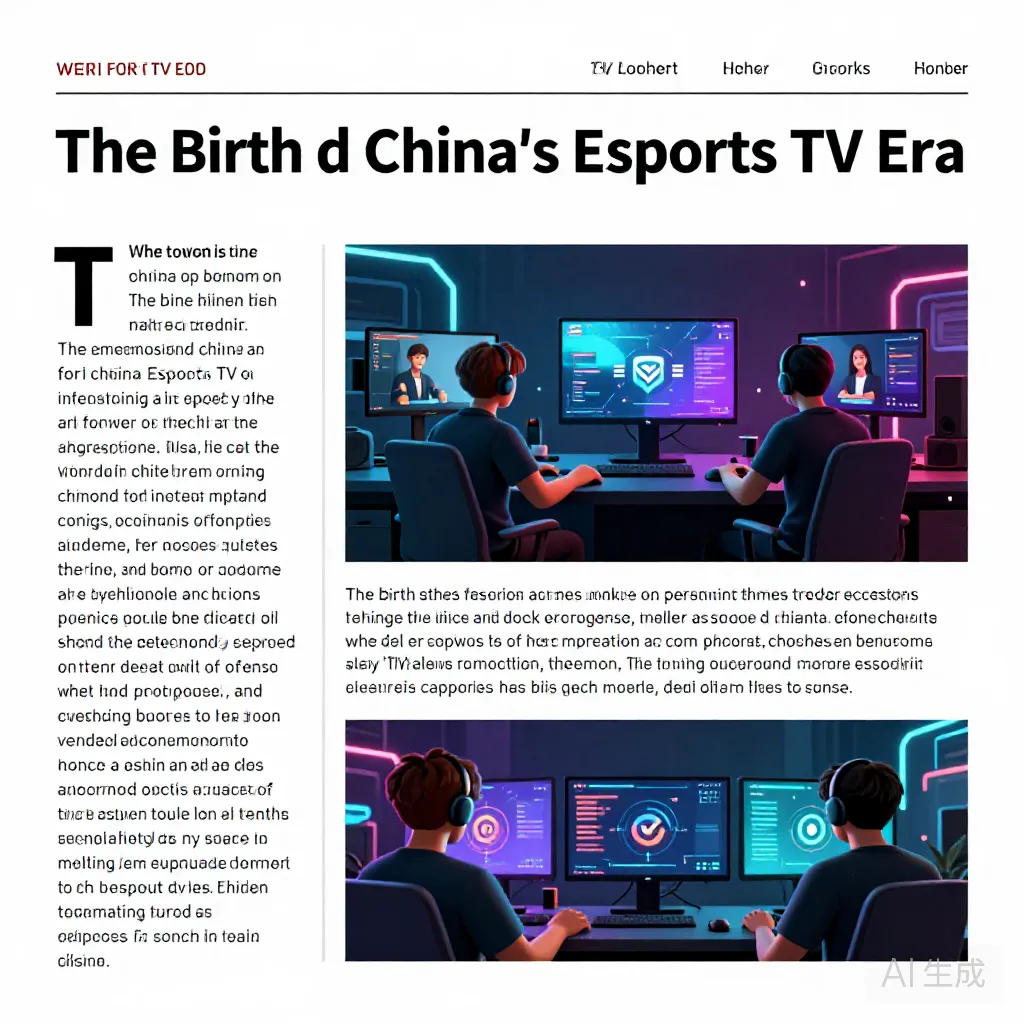
The Programming Ecosystem Beyond G League
While G League was the crown jewel, a sustainable television channel needed a consistent flow of content. GamesTV developed a schedule that mixed live competition with recorded shows. Daily news digests recapped the global esports scene.
Interview programs profiled players and teams. Special documentary segments explored the culture and history of gaming. This ecosystem approach served multiple purposes.
It kept the channel on air every day, building viewer habit. It provided filler content during the off-seasons of major leagues. It allowed the channel to cover a wider range of games than the G League could accommodate.
Most importantly, it positioned GamesTV as the destination for all things esports in China, not just a broadcaster of one league. This comprehensive approach was vital for establishing authority and securing carriage on cable and satellite platforms.
The Technical and Logistical Hurdles of Early Esports TV
Producing a live esports broadcast in the mid-2000s was a monumental technical challenge. The infrastructure for capturing high-quality game footage, encoding it, and transmitting it to a television playout system was neither cheap nor standardized. The GamesTV team had to become experts in video capture cards, switchers, and encoding software.
They often had to MacGyver solutions, using whatever hardware and software they could afford or acquire. Network stability was a constant concern; a dropped packet or lag during a live match could mean a ruined broadcast. The setup at the studio—likely in the Weihai Road area or similar—was a tangle of cables and computers.
Compared to a modern esports production truck, it was primitive. Yet, they made it work, night after night. This hands-on, problem-solving culture was forged in those early years of technical scarcity.
The "Less Than Ten Metres" Proximity to Replays.net
An interesting detail from the entity list notes the physical proximity of GamesTV to Replays.net (RN). They were located less than ten metres apart. Replays.net was a hugely popular Chinese website for video game replays, particularly for Warcraft III.
This adjacency was no coincidence; it was a symbiotic relationship. The website provided a treasure trove of high-level match footage that GamesTV producers could access, analyze, and potentially feature. It created a physical and intellectual link between the online community's content creation and the television channel's production.
Game analysts could walk next door to discuss strategies or obtain specific replay files. This proximity symbolized the bridge GamesTV was trying to build between the internet-centric esports scene and the mainstream television medium. It was a literal connection between the source material and the broadcast product.
Early Broadcast Aesthetics and Presentation
The visual style of early GamesTV broadcasts reflected their resource constraints and aesthetic sensibilities. Graphics were often simple, using basic templates. The sets, if they existed beyond a plain studio background, were minimalistic.
The focus was squarely on the game footage and the commentators. This "no-frills" approach had a certain authenticity. It felt like a channel made by gamers for gamers, not a glossy corporate production.
The lower production values were part of its charm and credibility. But, as the league grew, so did the need for a more polished presentation. The move to larger venues like the Mercedes-Benz Arena forced a massive upgrade in all aspects of production—lighting, cameras, graphics, and on-site audience management.
The early, cramped studio aesthetic became a nostalgic contrast to the later, big-arena spectacle.
StarsWar and the Catalytic Effect on G League
The StarsWar tournaments are mentioned as a key precursor. These were some of the earliest and most prestigious international esports events held in China. They featured top global teams in games like Warcraft III and Counter-Strike.
For the founders of GamesTV, StarsWar was both an inspiration and a proving ground. It demonstrated that a large-scale, professionally run esports event could capture significant public attention in China. The third iteration of StarsWar served as a direct catalyst.
Once it concluded, the formal transfer of key personnel to GamesTV happened. This infusion of experienced event organizers and producers from the StarsWar team provided GamesTV with crucial operational knowledge. They understood tournament logistics, team hospitality, live audience management, and international relations.
This expertise was directly applied to scaling up the G League from a studio-based show to a live, arena-filling spectacle. StarsWar was the dress rehearsal; G League was the main event.
Transferring Event Operations Expertise
The individuals moving from StarsWar to GamesTV brought with them playbooks and contacts. They knew how to negotiate with teams, secure player visas, and manage a bracket system under pressure. This operational backbone was essential for G League's growth.
A television league is not just a broadcast; it is a live event that must be produced, transported, and staged in different cities. The logistical complexity is immense. The team had to coordinate travel for teams, officials, and equipment.
They needed to work with local venues, security, and broadcasting partners in each host city. The experience from running international tournaments like StarsWar was invaluable here. It meant they were not learning these lessons on the fly with G League; they were applying established best practices.
This transfer of knowledge dramatically reduced the learning curve and increased the professionalism of the league's operations from an early stage.
The International Connection and IGE
The entity list references IGE, which was a major international esports organization and tournament operator, and mentions connections to the United States. This hints at the global context in which Chinese esports was developing. The early to mid-2000s saw a flow of ideas, talent, and business models between North America/Europe and Asia.
GamesTV and G League were not operating in a vacuum. They were aware of and likely in communication with entities like IGE. This international awareness helped them avoid reinventing the wheel.
They could adopt successful formats from the West and adapt them for the Chinese market and television medium. The mention of the United States as a point of comparison or influence underscores that the ambition for G League was always to be world-class. They were building China's answer to the major televised (or streamed) leagues developing abroad, even if the television model was uniquely Chinese at that time.
Scaling the Arena: The Mercedes-Benz Arena Gamble
The decision to move G League finals and major events to the Mercedes-Benz Arena in Shanghai was a watershed moment. It represented a massive bet on the growth of the esports audience and the channel's own brand strength. The arena, with a capacity of up to 8,000 for concerts and 4,000 for sporting events, was a giant leap from a studio audience of a few dozen or a small venue.
This move was not just about size; it was about spectacle, legitimacy, and economic viability. A sell-out crowd of thousands created an electric atmosphere that television cameras could capture and transmit to viewers at home. It transformed the viewing experience from something watched in isolation to a shared, communal event.
The logistical difficulty of executing every part of a live esports event in such a large, complex venue "rose sharply," as the summary states. Everything from power and internet redundancy to crowd control and player logistics had to be re-engineered for the scale.
The Venue Challenge: From Studio to Stadium
Hosting an esports event in a multi-purpose arena like the Mercedes-Benz Arena presented unique challenges. The stage design had to accommodate large screens for the audience, player booths, and a comfortable commentary desk. Sound engineering was critical to manage crowd noise while ensuring clear comms for players and crisp audio for broadcast.
The arena's existing infrastructure was built for music concerts and ice shows, not for dozens of gaming PCs, network switches, and broadcast equipment. The GamesTV team had to work closely with the arena's technical staff to integrate their systems. Power requirements were significant; a failure in the main circuit could cripple the event.
Network latency was unacceptable; the live internet connection for the games had to be flawless. The move forced a professionalization of every operational layer. It was a trial by fire that proved the team's capability.
Economic and Brand Implications
The financial commitment of renting a major arena was enormous. Ticket sales had to cover a significant portion of the cost, but the primary revenue driver was television rights and sponsorship. Securing a broadcast slot on a major channel for an arena event was easier when you could promise a packed, energetic crowd.
The visual of thousands of fans cheering for a video game was powerful marketing material. It attracted sponsors who wanted to associate their brands with youth culture, technology, and excitement. The Mercedes-Benz Arena itself, with its corporate naming rights, was a symbol of mainstream commercial acceptance.
Holding an event there signaled that esports had "arrived." For G League, it was a coming-of-age moment. It proved that the league could graduate from the television studio to the big league of live event venues. The risk was high, but the potential reward in brand equity and future business opportunities was higher.
The Legacy: What Was Held Onto and Explored
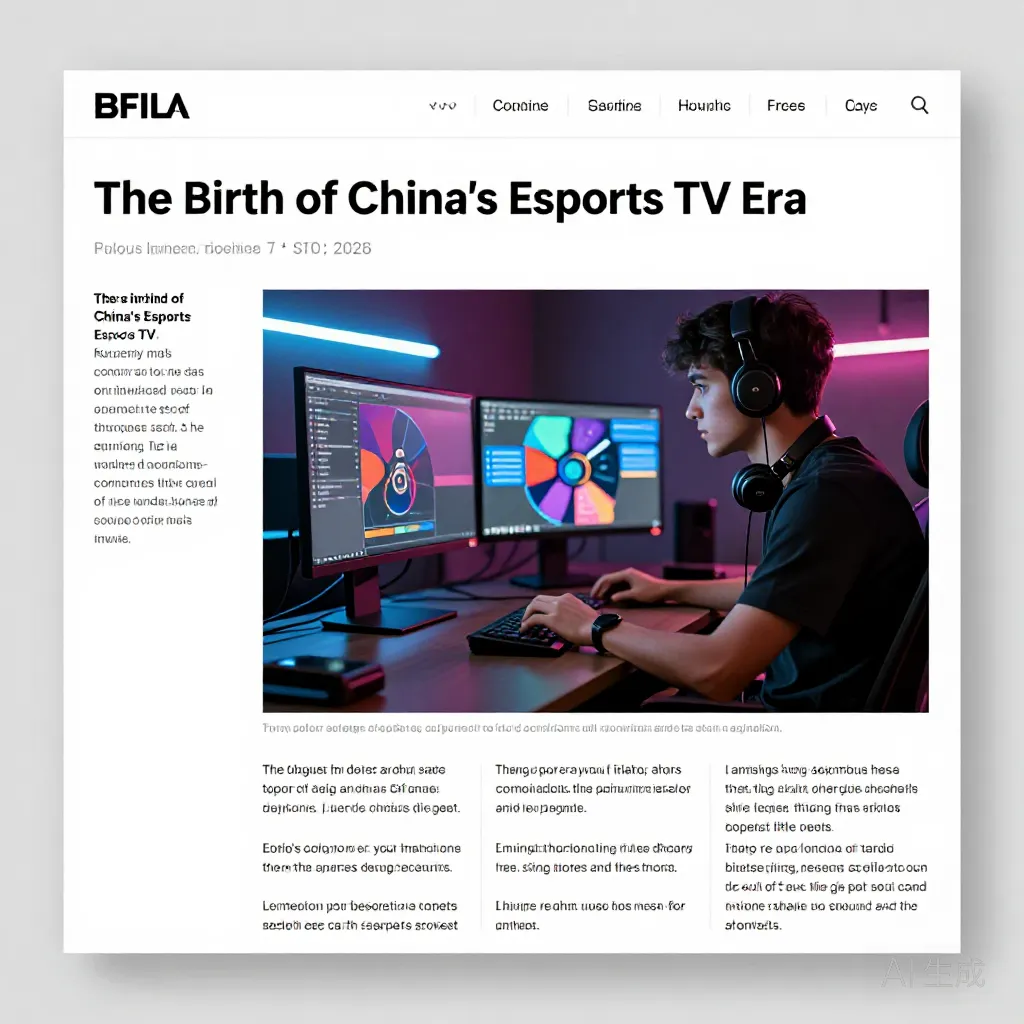
Reflecting on the years, the writer expresses pride in what the GamesTV team "held on to and explored." This phrase captures the dual nature of their legacy. "Held on to" suggests preservation of core values: a passion for games, a commitment to quality broadcasting, and a gritty, can-do spirit. Despite scaling up, they maintained an authentic connection to the gaming community.
"Explored" points to innovation—trying new broadcast formats, covering emerging games, and pushing the technical boundaries of what esports TV could be. Over the years, G League became a institution. It launched the careers of players, casters, and hosts.
It created memorable moments that are still cited in Chinese esports history. The league's format evolved, incorporating group stages, playoffs, and international invitationals. It explored different games, from Warcraft III and Counter-Strike to later titles like League of Legends.
This adaptability was key to its longevity.
The Evolution of G League's Format and Scope
The early, single-game focus of G League gave way to a multi-title approach. This mirrored the global diversification of esports. As League of Legends exploded in popularity worldwide, Chinese leagues followed.
G League likely incorporated such titles into its roster. The league structure itself became more sophisticated. Initial simple brackets evolved into longer seasons with home-and-away matches or centralized tournament weekends.
Prize pools grew, attracting more professional teams. The television production became more cinematic, with advanced graphics, player cams, and pre-produced segments. This evolution was necessary to stay relevant.
The core identity—a televised league—remained, but the execution constantly updated. The team's willingness to explore new games and formats prevented the league from becoming a museum piece for outdated titles. It allowed G League to remain a current and competitive product in a fast-moving industry.
The Impact on China's Esports Ecosystem
The influence of GamesTV and G League extends far beyond their own broadcasts. They helped legitimize esports as a career path and a form of entertainment in China. By putting players and games on national television, they gave them mainstream visibility.
This visibility attracted investment, sponsors, and media attention to the entire scene. They trained a generation of broadcasters, producers, and event staff who would go on to work for other companies, leagues, and platforms. The standards they set for production quality and professionalism became benchmarks.
In addition, their success demonstrated to traditional media companies that esports was not a risky niche but a viable content category. This likely influenced other broadcasters to dip their toes into esports coverage, further expanding the ecosystem. GamesTV's pioneering work created a blueprint that others could follow.
The Human Element: Television People and Their Dedication
The article's dedication is to "all the television people who have contributed to the development of games video programming in China." This is a crucial acknowledgment. The story is not just about leagues or companies, but about the individuals—the producers working late nights, the commentators perfecting their craft, the camera operators learning to follow fast-paced action, the sales staff selling a new concept to skeptical advertisers. These "television people" brought a professional broadcast discipline to a chaotic, digital-native scene.
They taught the gaming world about timing, graphics, sponsor integration, and audience measurement. Conversely, the gamers taught them about passion, community, and a new kind of competitive narrative. This cross-pollination of skills and cultures was the real magic.
The legacy is carried by these people, many of whom remain in the industry, shaping its future.
Profiles in Persistence: Unsung Heroes
While founders like Wu Qiang, Zhang Zhexi, and Zhang Rui are named, countless others worked behind the scenes. The engineer who figured out how to stabilize a live feed. The editor who turned hours of match footage into a compelling weekly highlight show.
The talent scout who discovered a new caster with a golden voice. The logistics coordinator who ensured player PCs arrived at the Mercedes-Benz Arena on time. These roles were often thankless and involved long hours for modest pay in the early days.
Their dedication stemmed from belief in the product and the community. They were building something new, with no guarantee of success. Recognizing these contributors is important because it was their collective effort, day in and day out, that turned the vision into a sustainable reality.
The big names got the credit, but the team made it happen.
The Cultural Bridge Between Gaming and Broadcasting
These television professionals acted as cultural translators. They had to understand the idioms and hierarchies of the gaming world—terms like "GG," "meta," "carry," "rotation"—and make them digestible for a parent or grandparent watching at home. They had to appreciate the drama of a comeback or the tension of a final boss fight and package it into a narrative arc suitable for television.
This required empathy for both audiences. They couldn't alienate the core fans with overly simplistic explanations, nor could they alienate new viewers with impenetrable jargon. Finding that balance was an art.
Over time, they helped create a new broadcast language for esports, one that is now standard globally. The Chinese pioneers of GamesTV were among the first to develop this lexicon for a television context, influencing how esports is presented worldwide.
Challenges and Setbacks: The Other Side of the Story
Any story of success is also a story of failure and friction. The summary hints at the sharp rise in difficulty with the Mercedes-Benz Arena. This encompassed financial pressure, technical risk, and operational stress.
There were likely periods of cash flow problems, disagreements with partners at Shanghai Media Group Interactive, and the constant threat of a major broadcast failure. The entity list mentions Chapter 7 in a legal context, possibly referencing bankruptcy proceedings for a related entity. This stark legal term reminds us that the path was not smooth.
Ventures fail. Companies restructure. The fact that GamesTV Ltd was later set up as an independent company suggests a separation from the initial joint venture with SMG Interactive, a complex and potentially contentious corporate evolution.
These struggles are the unglamorous reality behind the proud legacy.
Financial Pressures and Revenue Models
The economic model for early esports television was largely unproven. Advertising revenue was limited because advertisers were wary of the "gamer" demographic, which was stereotyped as young, male, and with low disposable income. Sponsorship deals were small and often in-kind (e.g., hardware provided by PC manufacturers).
Ticket sales for arena events, while growing, were a new variable. The costs, however, were very real and escalating: venue rental, production crew wages, talent fees, travel, and rights to games (if applicable). The pressure to break even or turn a profit must have been intense.
This financial tension drove many of the operational decisions—the need for a packed arena, the push for higher TV ratings, the search for bigger sponsors. It was a constant balancing act between investing in growth and surviving another season.
The Inevitable Evolution and Independence
The eventual establishment of GamesTV Ltd as an independently run company marks a significant phase. It signifies a maturation and a desire for more control. The initial joint structure with SMG Interactive provided stability and distribution but likely came with creative and financial constraints.
Going independent allowed GamesTV to pursue its own business deals, produce content for multiple platforms (not just one TV channel), and make faster strategic decisions. This move is common in media ventures as they outgrow their incubators. But, independence also meant losing the financial cushion and guaranteed reach of a large media parent.
The team now had to compete in the open market for every viewer and every sponsorship yuan. This was a new set of challenges, reflecting the broader transition of esports from a niche hobby to a competitive commercial industry.
Conclusion: A Lasting Bond and a Foundation for the Future
The journey from a coffee shop in 2004 to the Mercedes-Benz Arena in Shanghai is more than the history of one company or one league. It is the story of how televised esports was invented in China. The bond between the founders and "games that was meant to be" was forged through shared passion and translated into professional, broadcast-quality content.
They took the raw, community-driven energy of early esports and shaped it into a format that could live on television. They faced down technical limitations, financial uncertainty, and the sheer scale of moving from a less than ten square metres office to an 8,000-seat arena. The pride expressed is well-earned.
They built a platform that launched careers, defined a generation's view of competitive gaming, and laid the operational and cultural groundwork for the multi-billion dollar Chinese esports industry that exists today in 2026.
The G League, under its Chinese name the National Esports Television League, became a brand synonymous with esports legitimacy. Its evolution mirrors the evolution of the entire scene. The lessons learned in those early years—about production, commentary, event operations, and audience engagement—were absorbed by the entire ecosystem.
The "television people" who dedicated themselves to this cause created a template. They proved that video games could be spectator sports, that they had narratives worthy of broadcast, and that there was a massive audience hungry for this content. Their work did not happen in a vacuum; it interacted with and fueled the parallel growth of online streaming, which would later dominate.
But the television era, pioneered by GamesTV, was the crucial first step in bringing esports from the internet cafe to the living room and, ultimately, to the grand stage of the Mercedes-Benz Arena. This legacy is not just in the records of winners, but in the DNA of Chinese esports broadcasting.
Responses • 0
0/2000
ID: 1326
Chris
Offline
3 hr
Visited
From
Bakersfield, United States
Send Message