Steamed Buns: The Heart of Chinese Breakfast Culture
AI Learn Chinese
4 hr • 0 read
Discover traditional Chinese breakfast culture through iconic steamed buns. Explore regional specialties, including northern baozi, Shanghai xiaolongbao and southern shengjian.
Introduction: A Morning Staple
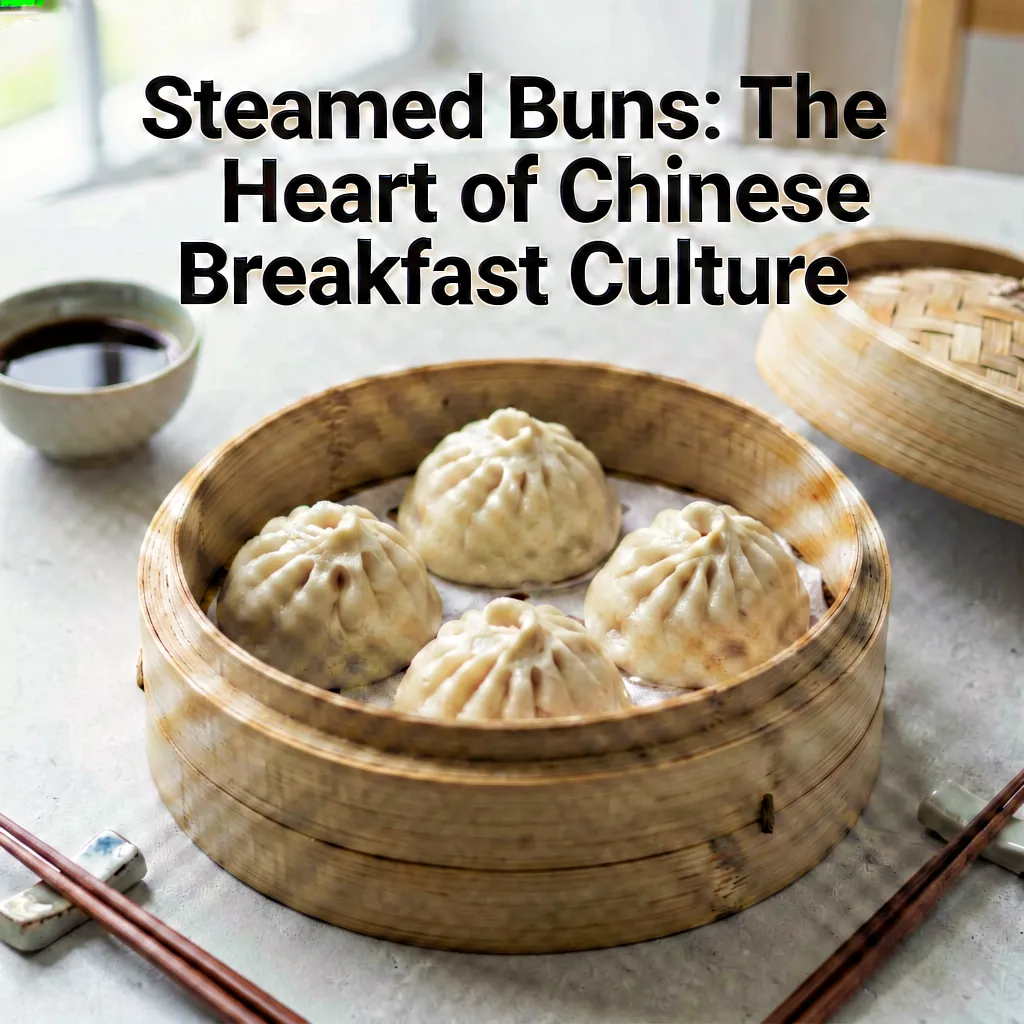
In the bustling streets of Shanghai, Beijing, and countless cities across China, the morning ritual often begins with the soft, warm puff of a steamed bun — or 包子 (bāo zi). This humble yet beloved staple is more than just food. It’s a symbol of tradition, comfort, and community. For millions of Chinese people, the scent of steamed dough rising from a bamboo steamer is the sweetest alarm clock — a daily invitation to savor the art of flavor, texture, and warmth.
Whether you’re grabbing one from a street vendor or enjoying a homemade batch, buns are the ultimate breakfast companion. They come in countless varieties — meaty, leafy, sweet, or savory — but their common thread is steamed perfection.
This article dives deep into the world of Chinese steamed buns — the flavor, the filling, the dough, and the culture behind this breakfast icon. We’ll explore regional differences, uncover regional specialties like Pan Fried Pork Buns (生煎 shēng jiān), and even sneak a peek at Xiao Long Bao, the jewel of Shanghai’s breakfast crown.
Why Steamed Buns? The Breakfast Choice
When Chinese people think about what to eat for breakfast, steamed buns often top the list. Why? Because they’re complete. A single bun can deliver protein, carbs, and flavor in one hand-held package. Whether filled with pork, vegetables, or even sweet bean paste, the possibilities are endless.
What sets steamed buns apart is their versatility. Unlike some breakfast foods that feel heavy or greasy, steamed buns are light, soft, and absorb the delicious flavor of their fillings without overwhelming the palate. The dough itself — made from simple flour and water — is then proofed and steamed, creating a pillowy, delicate texture that melts in your mouth.
Breakfast in China isn’t just about eating — it’s about eating well. And the steamed bun fits the bill perfectly. You get nutrition, satisfaction, and a taste of tradition — all in one bite.
Regional Varieties: One Bun, Many Faces
China is a vast country with diverse cuisines, and steamed buns reflect that diversity.
- In North China, steamed buns tend to be larger, stuffed generously with pork and secretive filling recipes passed down through generations. The dough is often slightly thicker, making for a heartier breakfast. - In East China, especially Shanghai, buns are smaller, more delicate, and often come with a surprise — like Xiao Long Bao, which is technically a type of steamed bun, but with its own distinct identity. - In South China, steamed buns are often served alongside pan-fried pork buns (生煎 shēng jiān) — a delicious twist that combines steaming with frying. The bottom becomes crispy while the top stays soft — a true flavor sensation.
The differences in size and flavor are subtle but meaningful. They reflect local tastes, ingredient availability, and historical culinary influences. But no matter the region, one thing remains constant: steamed buns are a must-have for breakfast.
The Anatomy of a Steamed Bun
Let’s break down what makes a steamed bun so special.
1. The Dough The base is always dough — made from wheat flour, warm water, and yeast (or sometimes baking powder). This mixture is kneaded, left to rise, then rolled into small circles. The fermentation process gives the dough its famous softness and slight sweetness. In many homes, the dough is made fresh every day, ensuring maximum freshness and texture.
2. The Filling This is where the magic happens. The filling can vary from pork and shrimp to napa cabbage, mushrooms, or even sweet red bean paste. The key is to balance moisture and flavor. A well-made filling shouldn’t be too wet (which would make the bun soggy) nor too dry (which would make it tough).
3. The Steaming Process After the bun is shaped — typically by folding the dough over the filling and pinching the edges shut — it’s placed in a bamboo steamer. Steam rises from hot water beneath, cooking the bun evenly and preserving its moisture.
The result? A golden, rises slightly on top, with a veil of fragrant steam rising as you open the lid. It’s not just food — it’s poetry in motion.
Pan Fried Pork Buns: The Southern Twist
While steamed buns reign supreme in the north, the South China region has its own breakfast star — Pan Fried Pork Buns, or 生煎 (shēng jiān).
These buns are half-steamed, half-fried. The process is elegant: buns are placed on a hot pan with just a bit of oil. As they cook, the bottom develops a crispy crust, while the top remains soft — the perfect contrast. Often, a few drops of water are added to the pan, creating steam that finishes cooking the bun from the top down.
The filling is usually a savory mixture of pork, backyard cabbage, and seasonings. Sometimes, a bit of sesame oil or green onion is added on top before serving. The result? A crispy-bottomed, fluffy-topped delight that’s utterly addictive.
For many people in South China, 生煎 is weekly breakfast ritual — something you might eat every Monday, Thursday, or even every morning during a week-long trip to Shanghai.
And here’s the kicker: Try shengjian with soya milk. The creamy, warm drink cuts through the richness of the pork, creating a balance that’s simply perfect.
Xiao Long Bao 小笼包: Shanghai’s Breakfast Crown Jewel
If you ever find yourself studying or working in Shanghai, there’s one thing you must try: Xiao Long Bao.
These tiny, delicate steamed buns look like regular buns at first glance — but take one bite, and you’ll discover a whole new world. Inside, there’s a soupy filling — think a spoonful of warm broth that erupts when you bite into it. The pork filling is encased in a thin, translucent dough, and each bun is usually just 2-3 inches across.
They are traditionally steamed in bamboo steamers and served with vinegar and scallions on the side. The flavor is rich, savory, and utterly unforgettable.
You might think this is just a breakfast food — but in Shanghai, Xiao Long Bao is enjoyed all day long, from morning to late afternoon. It’s not just a meal — it’s an experience.
And if you’re curious, try a Vlog about Xiao Long Bao — there are countless videos showcasing how they’re made, where to find the best ones in Shanghai, and how people around the world are falling in love with them.
The Culture Behind the Bun
In China, food is more than sustenance — it’s culture, tradition, and connection. The act of eating a steamed bun together, whether at home or at a street stall, brings people closer.
Many families make buns together — grandmothers teaching grandchildren the art of folding dough, parents filling buns with stories, and children tasting their first bite with wide-eyed wonder.
Even the language reflects this closeness. The word 包子 (bāo zi) literally means “embraced rice” — as if the dough is gently embracing the filling. It’s poetic, personal, and profoundly Chinese.
And let’s not forget the flavor — umami, savoriness, sweetness, spiciness — all come together in perfect harmony. Every bun tells a story — of a region, a family, a breakfast ritual.
Steamed Buns Around the World
While steamed buns are deeply Chinese, their influence is global. In cities like New York, London, and Toronto, Chinese restaurants proudly serve steamed buns, sometimes with a western twist — like pork buns with sriracha or cheese.
And beyond Chinese communities, more and more people are discovering the joy of buns. Whether tasting Xiao Long Bao at a food festival or ordering 生煎 from a local eatery, the flavor and texture speak for themselves.
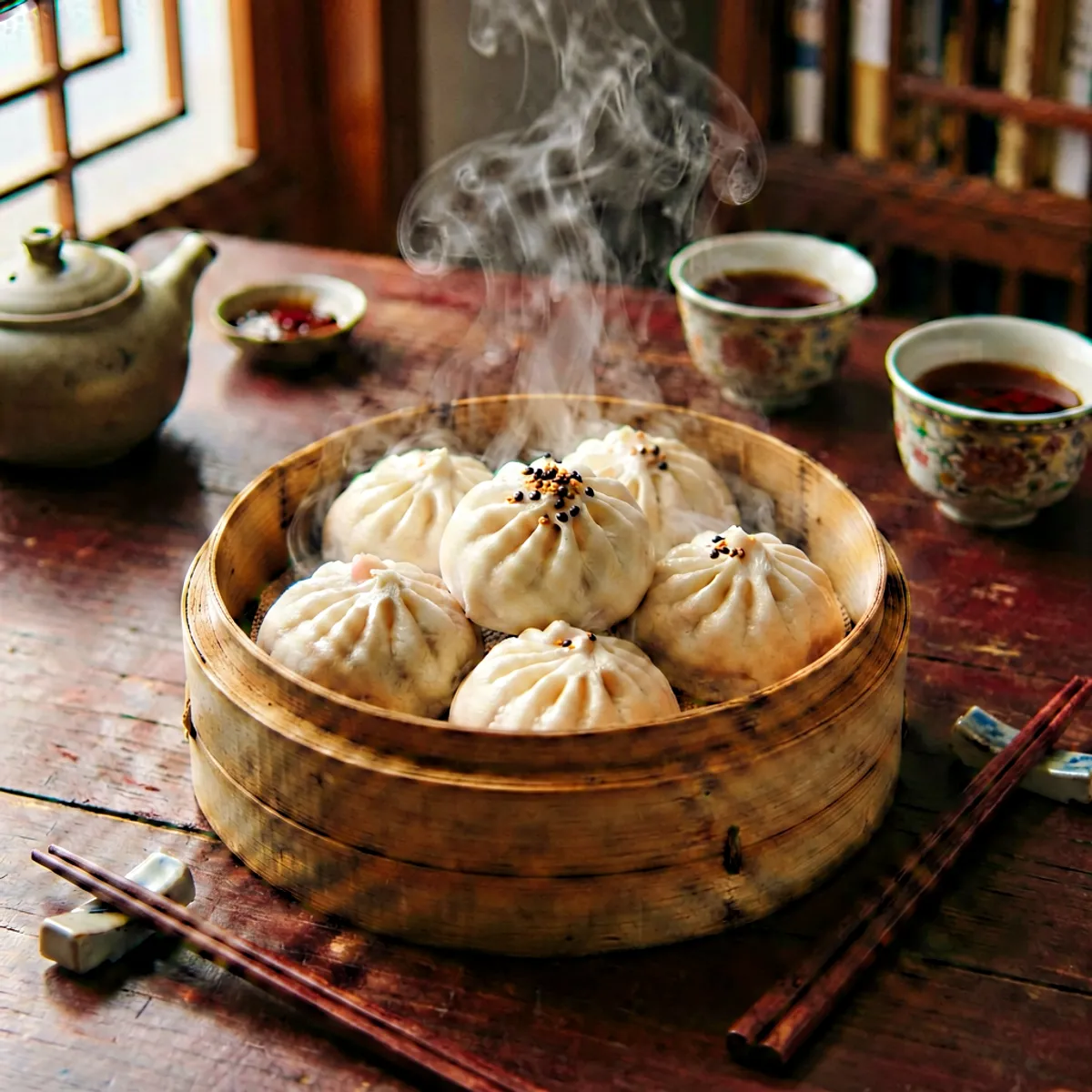
Even Traditional Chinese food bloggers — like Julie, who shares her Vlog adventures — are helping spread the love. Her canal-side breakfast in Shanghai? A steaming basket of buns and a cup of warm soya milk. Simple. Honest. Perfect.
Why People Love Steamed Buns
People – especially Chinese people – don’t just eat steamed buns. They adore them. And for good reason:
- They’re affordable — you can buy a dozen for a few dollars. - They’re versatile — great for breakfast, lunch, or even dinner. - They’re nutritious — especially when filled with vegetables or lean pork. - They’re convenient — easy to carry, eat on the go, or share with family. - They’re delicious — the perfect blend of soft dough and rich filling.
Even French cuisine lovers can’t help but admire the artistry behind a perfectly made steamed bun. It’s not complicated. It’s not flashy. But it’s flavorful, satisfying, and deeply authentic.
Making Steamed Buns at Home
Craving fresh buns? You don’t have to wait for a street vendor. Try making them yourself!
Here’s a basic recipe:
Ingredients:
- 3 cups wheat flour - 1 tsp yeast - 1 cup warm water - 1 tbsp sugar - Filling: 500g minced pork, 1 tbsp soy sauce, 1 tsp ginger, 2 green onions, 1 tbsp sesame oil
Steps:
1. Mix flour, yeast, sugar, and warm water. Knead until smooth. Let rise for 4 to 6 hours. 2. Mix filling ingredients. Chill for 30 minutes. 3. Roll dough into small circles. Place filling in center. Pinch edges to seal. 4. Steam for 15 minutes. Serve hot.
It’s not hard — and the reward? A warm, fluffy, full-of-flavor bun that tastes like home.
Conclusion: A Bite of Tradition
Steamed buns are more than just a breakfast food. They’re a cultural landmark, a family tradition, and a taste of China that crosses borders.
From the pork-filled buns of North China to the crispy-bottomed 生煎 of South China, each variety tells a story. And in Shanghai, Xiao Long Bao stands as the ultimate tribute to the art of steaming.
Whether you’re eating them with soya milk in a crowded street stall or enjoying them at home with your family, these buns bring people together — one delicious, flavor-packed bite at a time.
So next time you’re wondering what to eat for breakfast, think steamed buns. Think flavor. Think dough. Think tradition. And most of all — think Chinese.
After all, in the world of breakfast, few things are as satisfying, authentic, and loved as a warm, steamed bun.
Responses • 0
0/2000
ID: 1326
Chris
Online
From
Bakersfield, United States
Send Message