Red Light Masks: Shanghai's InPerson Quest
AI Learn Chinese
4 hr • 0 read
Explore the hunt for red light face masks in Shanghai's physical stores versus online options like TaoBao.
The Red Light Therapy Phenomenon
Red light therapy has surged from niche spa treatment to mainstream beauty ritual. These LED masks promise collagen boost and clearer skin without needles or downtime. Yet, for all the convenience of clicking "buy" on TaoBao, some Shanghai visitors and residents insist on purchasing face-to-face.
This preference sparks a unique urban quest. It blends beauty tech curiosity with the timeless allure of physical shopping. Understanding this requires looking at both the device and the cultural context of consumption in a megacity like Shanghai.
What Exactly Is a Red Light Face Mask?
At its core, a red light face mask is a wearable device studded with light-emitting diodes (LEDs). These LEDs emit specific wavelengths of red light, typically between 630 to 660 nanometers. When this light penetrates the skin, it stimulates cellular energy production in mitochondria.
This process can enhance collagen synthesis and reduce inflammatory markers. Users often report improved skin texture and reduced fine lines after consistent use. The treatment is non-thermal and non-invasive, making it a popular at-home alternative to professional salon sessions.
The Science in Simple Terms
Think of red light as a nutrient for your skin cells. It energizes them, much like sunlight energizes plants through photosynthesis. The mitochondria, often called the cell's powerhouse, absorb this light.
This boosts their function, leading to better cell repair and turnover. Unlike ultraviolet light, red light does not damage the skin. Instead, it supports healing and rejuvenation.
Research in photomedicine supports these effects, though results can vary based on device quality and usage consistency.
Popular Brands and Price Tiers
The global market features brands like Current, MZ Skin, and Neutrogena. These often retail between $200 and $500. In China, international brands coexist with domestic players.
Perfect Diary and Florasis, for instance, offer sleek designs at lower price points, frequently under 300 yuan. TaoBao hosts countless models, from certified medical devices to questionable knockoffs. This vast online selection creates both opportunity and risk for buyers.
The Case for In-Person Shopping in Shanghai
"Why not just order it?" is the obvious question. For many, the answer lies in a mix of practical caution and cultural nuance. Shanghai's retail environment offers tangible experiences that screens cannot replicate.
This is especially true for high-touch beauty technology. The desire to inspect, test, and immediately possess a product runs deep. It also ties into concepts of trust and social validation that are particularly resonant in Chinese consumer culture.
Trust and Authenticity Concerns
Counterfeit goods are a well-documented issue on Chinese e-commerce platforms. Even with seller ratings, verifying a genuine red light mask can be tricky. Fake devices may use inferior LEDs that emit incorrect wavelengths, rendering them ineffective or even harmful.
Buying in a authorized retail store provides a tangible guarantee. The packaging, the build quality, and the presence of official documentation are all immediately verifiable. This reduces the anxiety that often accompanies online purchases of health-related gadgets.
The Importance of Face (Mianzi) in Purchases
The concept of mianzi, or social face, influences many buying decisions. Purchasing a high-end beauty device from a prestigious department store can be a status act. It signals discernment and financial capability.
Owning a product bought from a flagship boutique in Shanghai's upscale malls carries a different social weight than receiving a package from a courier. This social dimension transforms a simple transaction into a subtle performance of identity.
The Tactile and Sensory Advantage
A red light mask must fit comfortably on the face's contours. Online descriptions and videos cannot convey the actual weight, adjustability of straps, or material feel. In a store, a potential buyer can try the mask on, adjust it, and see how it sits in a mirror.
This sensory check is crucial for a wearable device. It ensures the product meets personal comfort standards before any money is exchanged. The immediate feedback loop of in-store testing is a powerful motivator.
Instant Gratification and Problem Resolution
Waiting for cross-country shipping can be days or weeks. For someone eager to start their skincare regimen, that delay is frustrating. Buying in person means walking out with the product the same day.
In addition, any questions about usage, warranty, or returns can be addressed on the spot. There is no back-and-forth messaging with customer service bots. This immediacy and direct human contact are significant perks for complex purchases.
Navigating Shanghai's Retail Landscape
Shanghai is a retail paradise, but its scale can be overwhelming. Knowing where to look for specialized beauty tech like red light masks narrows the search. The city's retail ecosystem ranges from glitzy international department stores to neighborhood pharmacies.
Each channel offers different advantages in terms of brand selection, price, and service. A strategic approach involves targeting venues most likely to stock reputable beauty devices.
Department Stores: The Safest First Stop
Upscale department stores in Shanghai are the most reliable ports of call for authentic, premium beauty tech. They house authorized brand counters and maintain strict inventory controls. The staff are typically trained to explain product features and warranties. While prices are usually fixed and at the higher end, the peace of mind is often worth the premium for a first-time buyer.
Flagship Destinations
Places like Plaza 66 on Nanjing West Road and Isetan in Jing'an District feature extensive beauty halls. Here, brands like Clé de Peau Beauté or SK-II occasionally showcase advanced skincare tools, including LED masks. Shanghai No. 1 Department Store on East Nanjing Road also has a comprehensive beauty section. These locations guarantee genuine products but may have a limited selection focused on luxury international brands.
What to Expect
Expect a polished, sometimes intimidating, shopping environment. Sales associates may approach proactively. It is advisable to state your intent clearly: "I am looking for a red light therapy face mask." Be prepared for prices at manufacturer's suggested retail levels. But, during Chinese holidays like National Day or Singles' Day, these stores often offer gift-with-purchase promotions that add value.
Specialty Beauty Tech Boutiques
Beyond department stores, Shanghai boasts standalone boutiques dedicated to beauty innovation. These shops curate a mix of global and local tech-forward brands. They often provide a more relaxed, educational atmosphere.
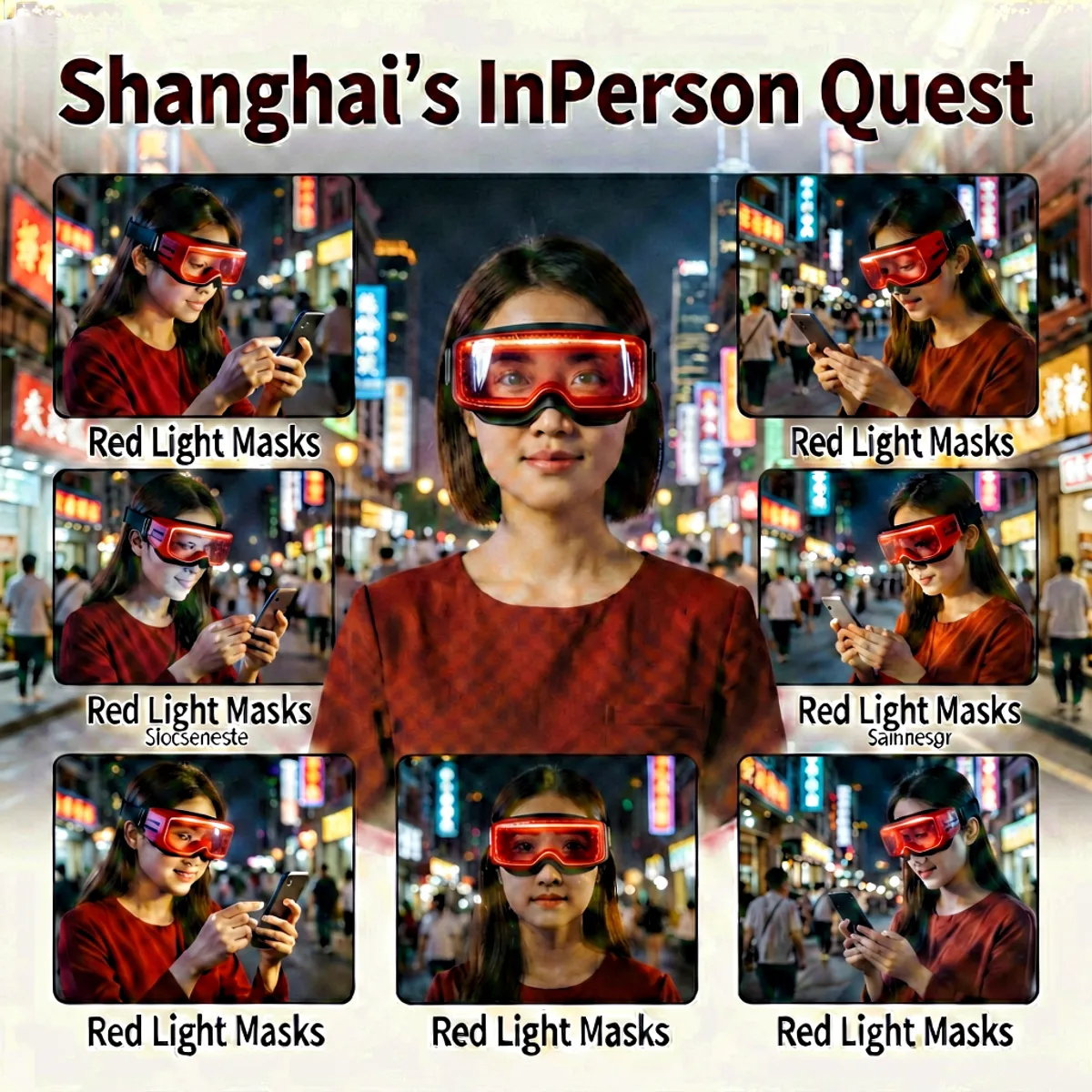
Staff here tend to be enthusiasts who can demo products in detail. This setting is ideal for comparing different mask designs and technologies side-by-side.
Niche Areas to Explore
The Jing'an district is a hub for concept stores. Brands like Foreo, known for its UFO device, have flagship stores here that sometimes bundle or display complementary LED products. Xintiandi also houses trendy beauty tech pop-ups.
Smaller, independent boutiques in lanes around Fuxing Middle Road may stock hard-to-find models. These spots are more likely to carry the latest releases from emerging Chinese brands that prioritize online-first sales but maintain a physical showroom.
The Demo Experience
In these boutiques, ask for a live demonstration. A good salesperson will let you place a mask on your hand or face (with a protective sleeve) to feel the weight and see the lights up close. They should explain the difference between red light for anti-aging and blue light for acne.
Use this time to ask about warranty periods and service centers in Shanghai. This interaction builds confidence in the product and the seller.
Pharmacies and Health Stores
It may seem unexpected, but major pharmacy chains in Shanghai have expanded into advanced skincare devices. Watsons and Mannings outlets, particularly the large-format stores in city centers, now carry LED beauty tools. Their appeal lies in convenience and perceived health credibility. These products are often positioned as wellness devices rather than pure cosmetics.
What They Stock
Look for masks from brands like NuFACE or Lightstim in the beauty aisles of flagship Watsons stores on Nanjing East Road or in large shopping malls like Super Brand Mall. The selection is usually smaller, focusing on mid-range models with strong clinical claims. Prices are competitive with online, and the pharmacy setting may appeal to those who view the device as a health investment. Staff knowledge can be hit-or-miss, so come prepared with your own research.
The Health-Framework Angle
Purchasing from a pharmacy subtly frames the red light mask as a therapeutic tool. This aligns with the growing "medical aesthetics" trend in China. It might sway buyers who are skeptical of pure cosmetic claims. Also, pharmacies often have return policies that are as stringent as department stores, providing another layer of consumer protection.
Practical Tips for the Physical Hunt
Armed with knowledge of where to go, the actual shopping trip requires some strategy. Shanghai's retail environment is dynamic. Language can be a barrier, and prices may fluctuate.
A few practical preparations will make the search efficient and successful. These tips bridge the gap between intention and acquisition.
Overcoming the Language Gap
While many sales staff in major stores speak some English, technical terms can get lost. Prepare key phrases on your phone. Write down "red light therapy face mask" in Chinese characters?
No—the rules forbid Chinese characters. Instead, use a translation app to show the English term. more effective yet, have the brand name if you have a target.
Apps like Pleco or Google Translate with offline packs are essential. Pointing to a picture of the desired model on your device is universally effective.
Key Vocabulary to Have Ready
- "Is this authentic?" (Can be shown via translation) - "Warranty period?" - "Can I try it on?" - "Where is the service center?" - "Is there a discount?" Learning to say "thank you" (xièxie) politely goes a long way in smoothing interactions. Do not assume every store will have your desired item. Be ready to pivot to a similar product if the exact model is unavailable.
Deciphering Pricing and Value
In authorized retail environments, prices are usually fixed. But, during holiday periods, sales associates might have discretionary small gifts or bundles. In smaller boutiques or markets, there may be room to negotiate, but this is rare for branded electronics.
The real value comparison is between the in-store price and the TaoBao price for the same model. Factor in the cost of your time and the risk of counterfeits online. Sometimes a 10% premium in-store is justified by the certainty of authenticity and immediate possession.
Avoiding Common Pitfalls
Be wary of stores that offer a "special price" dramatically below MSRP. If it sounds too good to be true, it likely is. Check the manufacturing date on the box; beauty devices have shelf lives for their LEDs.
Ensure the packaging is sealed and includes all manuals and adapters compatible with Chinese sockets (220V). Ask explicitly if the warranty is valid in mainland China. Some global warranties exclude certain regions.
Timing Your Visit for Best Results
Retailers in Shanghai follow the same promotional calendar as elsewhere. The biggest sales occur during Singles' Day (11.11), Chinese New Year, and the June 18 mid-year shopping festival. Visiting during these windows can yield free skincare samples or small discounts on beauty devices.
But, stock may be depleted on popular models. Weekdays are less crowded, allowing more demo time. Weekends, especially in tourist-heavy areas, mean packed stores and rushed staff.
The Pop-Up Advantage
Keep an eye out for temporary brand pop-ups in high-traffic areas like K11 Art Mall or Raffles City. These events often debut new products and offer exclusive in-person experiences. They might have special event-only pricing or gift sets.
Following beauty influencers on Xiaohongshu (Little Red Book) can alert you to these fleeting opportunities. A pop-up is frequently the best blend of online hype and offline access.
The Balanced Verdict: Online Convenience vs. Offline Assurance
The choice between TaoBao and a Shanghai storefront ultimately depends on buyer priorities. TaoBao wins on sheer selection, price, and convenience. A user can compare dozens of models, read reviews, and have it delivered in days.
For the tech-savvy and budget-conscious, it is the obvious path. But, for a first-time buyer, someone wary of fakes, or a visitor wanting a tangible Shanghai souvenir, the in-person route holds undeniable appeal. It transforms a purchase into a curated experience.
When In-Person Shopping Makes Sense
Consider the physical store if you are new to red light therapy and want to understand the device's ergonomics firsthand. It is wise if you have heard horror stories about counterfeit electronics. It is also a good choice if you value the social proof of buying from a prestigious location. For those in Shanghai briefly, the "buy now, use now" factor eliminates the uncertainty of international shipping to a temporary address.
When TaoBao is the Smarter Play
If you know exactly which model you want, have verified it through trusted review channels, and are comfortable with return policies, TaoBao is efficient. Prices are consistently lower, especially during mega-sales. The range includes niche brands not yet available in physical stores.
For repeat purchases or budget models, the online marketplace is unbeatable. The key is to buy from official flagship stores on TaoBao, not random third-party sellers.
A Hybrid Approach for the Discerning Buyer
a number of savvy shoppers use a hybrid method. They visit a Shanghai store to test and measure the mask. They note the exact model number, weight, and features.
Then, they search for that precise model on TaoBao, often finding it cheaper from the brand's official online store. This combines the tactile assurance of offline with the cost savings of online.
The Enduring Appeal of Physical Retail
Despite the convenience of online platforms, the tactile experience of purchasing a red light mask in person holds undeniable charm. It transforms the act of buying into a ritual, a moment of anticipation and discovery unique to physical retail spaces. This appeal cuts deeper than mere transaction; it connects to an instinctual desire for direct engagement with objects, particularly those promising personal enhancement like beauty devices.
The immediate gratification of holding a product, feeling its weight, and seeing it in your own reflection provides a confidence boost that online platforms cannot replicate. In a city as vast and competitive as Shanghai, this direct interaction becomes a form of reassurance. It allows consumers to make a decision based not just on advertised specifications, but on the product's real-world presence and perceived quality. This physical connection fosters a sense of control and reduces the perceived risk associated with high-investment beauty gadgets.
The Shanghai Consumer Mindset
Shanghai consumers navigate a complex retail landscape, balancing traditional values with global influences. While online shopping offers vast choices at potentially lower prices, the act of visiting a physical store reflects a nuanced appreciation for experience and authenticity. This mindset is particularly relevant for items like red light masks, where understanding the technology requires both visual inspection and hands-on familiarity.
The success of in-person sales for these masks suggests a consumer preference for tangible validation. It indicates an underlying trust in the curated environment of physical stores, where brands project expertise and legitimacy. This preference isn't necessarily anti-modern; rather, it highlights a desire for a holistic shopping experience that incorporates both digital research and physical verification. The red light mask purchase, therefore, becomes a microcosm of broader consumer behavior in Shanghai, blending pragmatism with sensory pleasure.
The Shanghai Consumer Mindset Revisited
This preference for physical interaction extends beyond red light masks. It underpins the continued popularity of flagship stores, department outlets, and bespoke boutiques across the city. Consumers, even in 2026, value the opportunity to touch, test, and immediately utilize products. This desire for direct engagement is not a passing trend but a fundamental aspect of consumer psychology in a rapidly evolving metropolis.
It connects to a deeper appreciation for craftsmanship and perceived quality control, even amidst mass-produced goods. Seeing a product in its original packaging, verifying its construction, and receiving expert guidance all contribute to a feeling of value.
The Evolution of Red Light Mask Technology
The journey of red light masks mirrors broader advancements in wearable tech and at-home skincare. Early versions were clunky and primarily found in high-end spas. Today's iterations integrate sleeker designs, user-friendly interfaces, and sometimes even smartphone connectivity.
Recent innovations include models with adjustable light intensity, multiple wavelength settings for different skin concerns, and improved battery life. Some newer devices incorporate cooling elements or incorporate Bluetooth technology to track usage patterns. These enhancements aim to increase user compliance and perceived effectiveness.
Market Trends in 2026
The market continues its rapid expansion. International brands are increasingly collaborating with local Chinese manufacturers. We observe a growing demand for customizable features, reflecting the individualized nature of modern beauty routines.
Consumers are also demanding clearer clinical evidence of benefits. This drives manufacturers to invest more heavily in research and development. Consequently, products with substantiated claims are gaining marketplace advantage.
The Role of Shanghai's Department Stores
Plaza 66 and Isetan represent more than just retail locations; they embody Shanghai's position as a global luxury destination. These department stores curate collections that mirror international trends, often months in advance. Their beauty sections are carefully organized, sometimes with separate zones for medical-grade devices versus consumer electronics.
Exclusive Offerings
Some flagship stores now host exclusive product launches before they hit the international market. They may also offer personalized consultations with estheticians versed in light therapy technology. These perks cater to the high-end consumer seeking premium care.
Their extensive beauty hallways house not just LED masks but complementary devices like microcurrent or radiofrequency masks. This ecosystem approach allows customers to build a comprehensive at-home spa regimen.
Boutique Experiences Beyond Jing'an
While Jing'an is indeed a hub, the search for red light masks extends beyond its borders. Neighborhood boutiques in areas like Laoximen (Old Site) or M50 Art District increasingly stock innovative beauty tech. These locations often cater to younger demographics seeking unique finds.
Independent Discoveries
Small, independent stores thrive on discovery. They may source products directly from manufacturers or through special import channels. This access allows them to offer limited-edition or prototype models unavailable elsewhere.
These shops often double as social spaces, hosting workshops on LED mask usage or other beauty tech trends. This creates a community aspect around product discovery.
Red Light Masks in the Broader Shanghai Retail Scene
The hunt for a red light mask fits within Shanghai's vibrant retail culture, which blends traditional commerce with futuristic concepts. Pop-up shops in unexpected locations, like those in Tianzhen Station's commercial zone or Lujiazui Financial District, demonstrate the city's embrace of beauty tech.
Integration with Wellness Trends
Increasingly, red light masks are positioned within broader wellness frameworks. Stores may bundle them with items like jade rolling tools or facial cleansing brushes. This reflects the growing convergence of beauty and holistic health approaches.
Some shops even incorporate demonstration areas where potential buyers can experience the product's effects using specialized monitors showing simulated results.
Conclusion: More Than a Transaction
The hunt for a red light face mask in Shanghai's physical stores is not just about acquiring a gadget. It is a microcosm of modern consumer tension between digital convenience and sensory trust. It reflects a buyer's desire for control in an opaque online marketplace.
For the person who asked this question, the journey through department stores and boutiques is part of the investment. They are not just buying a mask; they are buying certainty, experience, and a story. In a city that never sleeps, that story is worth the extra effort.
Whether one ultimately walks out with a box or waits for a delivery, the act of searching in person connects them to Shanghai's vibrant, tangible retail soul. The city's stores, with their gleaming displays and attentive staff, offer a contrast to the anonymous click of a mouse. That contrast, for some, is the real value.
Responses • 0
0/2000
ID: 1326
Chris
Offline
1 hr
Visited
From
Bakersfield, United States
Send Message