PVG Pet Passport: StressFree Cat Customs at Pudong Airport
AI Learn Chinese
4 hr • 0 read
Your hasslefree guide to cat customs at Shanghai Pudong Airport: carrier rules, Xray procedures, and inspection room requests explained.
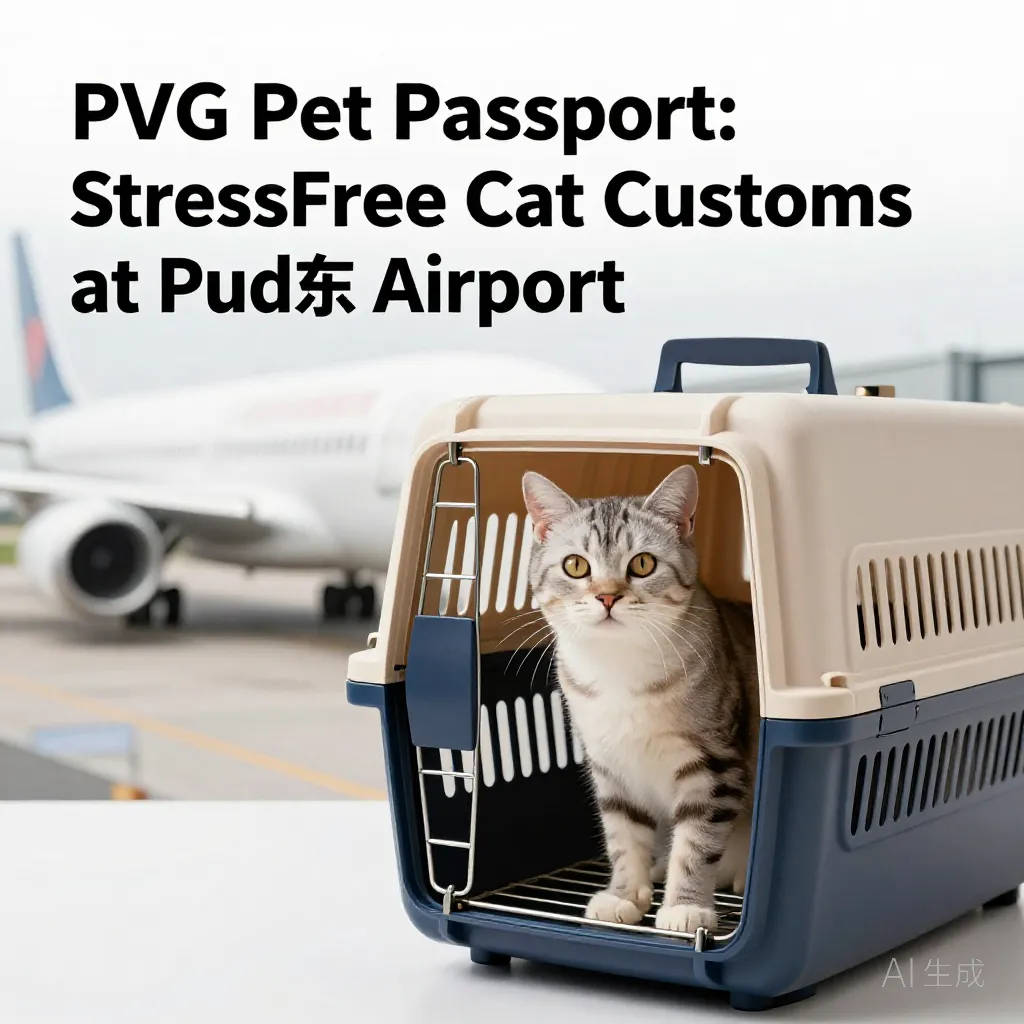
Introduction: The Feline Frontier at PVG
Bringing a cat through an international airport is a significant logistical challenge. The final hurdle, customs inspection, often causes the most anxiety for pet owners. Questions about procedures, especially regarding the pet carrier and potential inspections, are common and valid.
This guide directly addresses the specific concerns of travelers passing through Shanghai Pudong International Airport (PVG). We will clarify the sequence of steps after baggage claim, the role of the "Goods to Declare" channel, and the protocols for physical animal inspection. The goal is to replace uncertainty with a clear, actionable plan, ensuring a stress-free passage for both you and your feline companion.
A Common Traveler’s Concern
The journey of moving a pet internationally is a marathon of paperwork, vaccinations, and crate acclimation. After the long flight and the relief of baggage claim, the customs checkpoint looms as the last major unknown. For cat owners, the carrier is both a sanctuary for their pet and a potential point of contention with officials.
The core worry is simple: will the process require separating the cat from its familiar, secure space? This fear is compounded by the sterile, authoritative environment of a customs hall, where instructions must be followed quickly and precisely.
The Original Query Explained
A typical traveler’s question, which forms the basis of this article, is refreshingly specific. It asks about the procedure at PVG post-immigration and baggage claim. The key points are: the necessity of removing the cat from its carrier for an X-ray scan, the process at the "Goods to Declare" channel, and the possibility of requesting a separate, private room for any required physical inspection.
The user’s added note, "PVG**** ugh my bad," hints at the frustration and specificity of the airport in question—Shanghai Pudong. This article will serve as a definitive walkthrough for that exact scenario, based on standard international pet import protocols and the known layout of PVG.
Pre-Customs Preparation: Paperwork and Patience
Success at customs is determined long before you reach the inspection counter. Your primary task is to become an expert on the documentation required by the People’s Republic of China for importing a pet. This paperwork is your passport through the process and the first thing an officer will want to see.
Incomplete or incorrect documents will lead to delays, expensive quarantine, or even denial of entry. Preparation here is non-negotiable and forms the foundation of a smooth interaction.
Essential Documents for Your Cat
You must possess the original, official copies of several key documents. First is the health certificate (also called a veterinary certificate), issued by a government-approved veterinarian in your country of origin within a specific timeframe before travel, usually 14 days. This certificate must state your cat is free from infectious diseases and is fit for travel.
Second is the import permit obtained in advance from the Chinese authorities, often through a designated quarantine agent. This permit is your authorization to bring the animal into the country. Third is proof of rabies vaccination and, depending on your country of origin, potentially a titer test (blood test) confirming sufficient rabies antibody levels.
Finally, you need your cat’s microchip certificate and a copy of your own passport and flight itinerary.
Health Certificates and Import Permits
The health certificate is a standardized form, but its validation is critical. It often requires an official government stamp or signature from the relevant agricultural or veterinary authority in your home country. The Chinese import permit is tied to a specific quarantine facility in China where your cat will be held for observation, typically 30 days, though some protocols may allow for home quarantine with prior approval.
You will have engaged a customs clearance agent or quarantine facility in China to facilitate this permit; their contact information should be on hand. Having these documents organized in a clear, accessible folder is crucial.
Carrier Considerations Before Arrival
The carrier itself must meet specific international standards, typically those of the International Air Transport Association (IATA). It should be well-ventilated, secure, and large enough for your cat to stand, turn around, and lie down comfortably. Importantly, the carrier must be leak-proof and have a solid, impermeable bottom.
This is not just for your cat’s comfort but a hard requirement for customs and quarantine officers who will inspect it for contamination. Line the carrier with absorbent puppy pads or newspaper that can be easily removed and disposed of. Ensure all food and water bowls are secured inside or attached to the door and are empty at the time of inspection to prevent spills.
The X-Ray Machine: To Remove or Not to Remove?
After reclaiming your checked baggage and your cat’s carrier (which will have been stowed in the cargo hold and delivered to the oversized baggage claim area), you proceed to the customs hall. Here, you will encounter the first major procedural decision point: the security X-ray machine. This is standard for all passengers and their belongings. The question of whether your cat must be removed from its carrier for this scan is paramount and depends on the technology and policy of the specific checkpoint.
How Security Scanners Work with Pet Carriers
Modern airport security scanners, including those at major hubs like PVG, are designed to screen bags and containers. They use either backscatter X-ray or millimeter-wave technology to create an image of the contents. The primary goal is to detect non-organic threats—metals, explosives, plastics.
A live animal, with its organic tissue and movement, presents a different kind of image. In many jurisdictions, for the sake of animal welfare and practicality, a live animal inside an approved carrier is often allowed to pass through the machine without being removed. The carrier is placed on the conveyor belt like any other suitcase.
But, this is not a universal guarantee and is ultimately at the discretion of the security officer monitoring the screen.
What Officers Are Looking For
The officer viewing the X-ray monitor is not a veterinarian; they are looking for anomalies that could conceal contraband. A dense, organic mass that moves slightly is recognizable as an animal. Their concern would be if the carrier also contained dense, non-organic objects that could hide prohibited items.
If the image is unclear—perhaps due to a very thick carrier wall, excessive padding, or if the animal is positioned in a way that obscures the view—the officer may request that the cat be removed for a manual pat-down of the carrier or for a handheld wand scan. The key is that the request is about the carrier, not necessarily a full physical inspection of the cat at this stage.
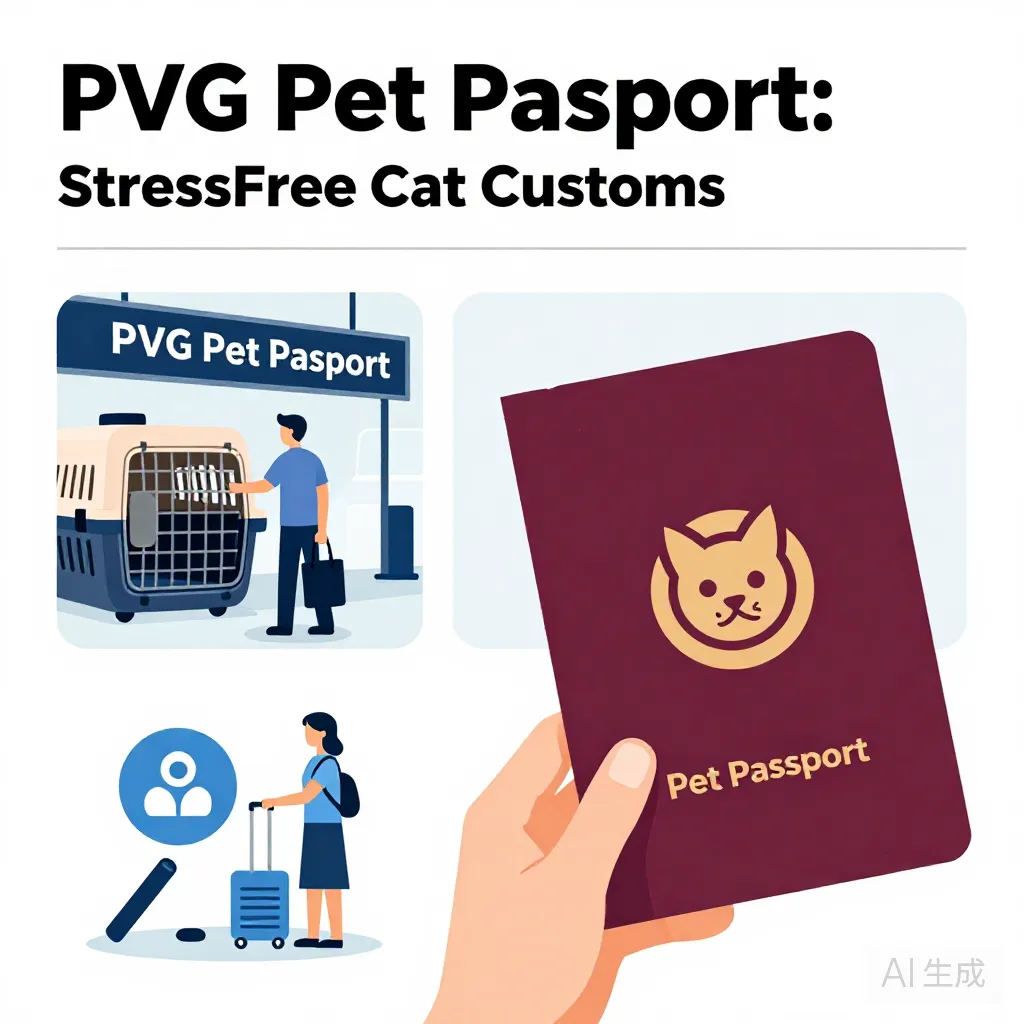
Practical Tips at the Conveyor Belt
Your approach at the X-ray station can influence the outcome. As you place the carrier on the belt, make brief, polite eye contact with the officer and give a small, calm nod. You can verbally state, “My cat is inside.” This pre-emptive, transparent communication can prevent a stop.
If the officer does ask you to remove the cat, do so calmly and quickly. Have a helper if possible; one person can hold the cat securely (perhaps in a separate, smaller soft carrier if your cat is comfortable) while the other manages the main carrier for inspection. rarely argue or become flustered.
Compliance is swiftest. If the carrier passes without issue, you simply collect it on the other side and proceed. This entire X-ray interaction is separate from the subsequent customs declaration process.
The "Goods to Declare" Channel: What to Expect
After clearing the general security checkpoint, you will enter the main customs hall. Here, you must choose between the green “Nothing to Declare” channel and the red “Goods to Declare” channel. Since you are bringing a live animal, you must proceed through the “Goods to Declare” channel.
Your cat is considered personal effects requiring official clearance. This is where your prepared documents become the center of attention. The flow here is about declaration, documentation verification, and the initial assessment for a possible physical inspection.
Declaring Your Cat as "Personal Effects"
When you approach the customs officer at the declaration counter, clearly state your purpose. A simple, “I am importing my pet cat,” is sufficient. Present your organized document folder.
The officer will systematically check each item against their internal requirements. They will verify the import permit number, the dates on the health certificate, the microchip number, and your identification. They may ask basic questions about the cat’s name, age, and breed.
This is a administrative check. The officer is not yet conducting a veterinary inspection; they are confirming your paperwork is in order and that you have followed the correct pre-import procedure.
Form Details and Officer Questions
Be prepared for the officer to make notes on your import permit or a separate declaration form. They may ask about the cat’s ultimate destination in China (your home address), the name of the quarantine facility you have arranged, and your flight details. Answer succinctly and truthfully.
If your documents are perfect, the officer may stamp your import permit and return your documents, possibly instructing you to proceed to the quarantine inspection area down the hall. This is the best-case scenario—a paperwork-only clearance. But, they retain the right to request a physical inspection of the animal for any reason, which is when the process moves to the next phase.
Inspection Protocols: The Separate Room Question
If the customs officer decides a physical check of your cat is necessary, you will be directed away from the main public counters. This is the moment the original query’s final concern becomes relevant: the request for a separate room. The rationale for a separate room is multifaceted: it reduces stress for the animal by removing it from the chaotic, noisy public corridor; it provides a controlled environment for the officer to conduct a thorough check; and it offers privacy for you and your cat during what can be an invasive procedure.
When Is a Private Room Available?
Most modern international customs and quarantine facilities at major airports like PVG have designated inspection rooms. These are small, clean, private rooms off the main inspection area, equipped with a table and sometimes basic veterinary tools. Their primary use is for live animal inspections.
But, availability is not guaranteed at all times. If the facility is busy or understaffed, an inspection might be conducted at a vacant spot along the inspection line, behind a portable screen, or even at a less-busy corner of the main hall. The officer will make this decision based on operational needs.
Your request is reasonable, but compliance with the officer’s directive is mandatory.
How to Politely Request One
The appropriate time to make this request is after the officer has stated a physical inspection is required and before you begin moving towards a public area. You can say something very polite and deferential: “For my cat’s comfort and safety, would it be possible to conduct the inspection in a private room, if one is available?” Frame it as a concern for the animal’s welfare, which aligns with official protocols. Use a calm, respectful tone.
Do not demand. If the officer agrees, they will likely summon a colleague or direct you to a specific door. If they decline or state it’s not necessary, you must accept their decision.
Arguing will not help your cause.
What Happens During the Inspection
In the inspection room (or designated area), the officer will ask you to remove your cat from its carrier. They will perform a basic visual and physical examination. This includes checking the cat’s eyes, ears, mouth, coat for signs of parasites or disease, and generally assessing its health status.
They will palpate the body gently. They may also re-inspect the carrier thoroughly for any prohibited food, soil, or biological material. The entire process should take 5-10 minutes.
The officer is not looking for behavioral issues but for clinical signs of illness that would violate China’s animal health import regulations. Once satisfied, they will typically allow you to repack your cat and direct you to the final exit or to the quarantine holding facility, depending on the outcome.
Conclusion: Confidence Through Preparation
Navigating PVG customs with a cat is a manageable process when broken down into its component parts and approached with meticulous preparation. The core questions—carrier removal for X-ray, declaration steps, and private inspection—have clear, protocol-driven answers. The X-ray usually allows the cat to remain in its carrier, but be prepared for a removal request.
Declaration is a mandatory paperwork check at the “Goods to Declare” channel.
Following the physical examination, the officer will summarize their findings. If your cat appears healthy and all documents are in order, they will typically stamp your import permit as "cleared" and may affix a customs declaration seal to your paperwork. You will then be instructed to proceed directly to the final exit corridor, where you will rejoin the public flow and leave the secure area.
This is the ideal outcome, signifying that the administrative and health checks are complete. Ensure you collect all your documents, as you may need to present them again when leaving the airport or to your quarantine facility.
Clearance and Exit Procedures
Upon receiving clearance, you will follow signs for "Arrivals" or "Exit." At PVG, this often involves a short walk through a corridor that may pass by the quarantine holding area—a series of kennels visible through glass. This can be emotionally challenging, but remember it is a standard holding area for pets undergoing the mandatory observation period. If your cat is cleared for immediate release, you will exit into the public arrivals hall where your ground transportation awaits. Have your Chinese address and quarantine facility details handy for any final checks by airport staff directing pet-owning travelers.
Should the officer have minor concerns, such as an unclear document detail, they may direct you to a secondary review desk within the customs hall. This is not necessarily a denial but a request for clarification. Remain patient and provide any additional information or contact your Chinese quarantine agent for real-time assistance via phone. These secondary reviews are common and resolved quickly with cooperative communication.
Quarantine Mandates: The Inevitable Hold
If the inspection reveals any health concerns—such as signs of illness, parasites, or incomplete documentation—your cat will be subject to mandatory quarantine (隔离, gélí). This is a non-negotiable regulation under China's Animal Epidemic Prevention Law. You will be escorted or directed to the airport's quarantine holding facility, usually located adjacent to the customs hall. Here, your cat will be placed in a government-run kennel for the statutory period, typically 30 days from the date of arrival, though this can vary based on your country of origin and health status.
During this process, you will sign quarantine acceptance paperwork and pay the required fees, which cover boarding, basic care, and veterinary monitoring. You will receive a receipt and a schedule for visitation if permitted, though many facilities limit contact to reduce stress for the animals. You must also provide your final destination address in China, as quarantine authorities will coordinate with local veterinary bureaus for any post-quarantine monitoring.
Navigating the Quarantine Facility Experience
Quarantine facilities at major hubs like PVG are functional but spartan. Kennels are clean, with individual runs, but they are institutional environments. Bring a familiar blanket or toy if allowed, but check regulations first—some facilities prohibit external items to maintain biosecurity. Food is provided, but you can often supply your cat's regular diet for an additional fee, which is advisable for picky eaters or cats with dietary restrictions.
Communication with quarantine staff is primarily in Mandarin. While some officers may understand basic English, learning key phrases like "我需要看我的猫" (wǒ xūyào kàn wǒ de māo, I need to see my cat) or "它吃什么?" (tā chī shénme?, what does it eat?) demonstrates respect and can facilitate smoother interactions. Quarantine staff are focused on health compliance, not pet pampering; maintain a polite, undemanding demeanor to avoid friction.
Cultural Nuances in Bureaucratic Engagements
Interacting with Chinese customs and quarantine officials requires an understanding of local bureaucratic culture. These officers operate within a strict hierarchical system where protocol and documentation are paramount. Displaying impatience, argumentativeness, or casual familiarity can be perceived as disrespectful and may slow your process. The concept of "face" (miànzi) is relevant here—maintaining your composure and showing deference to authority helps preserve mutual respect.
often address officers with the polite form "您" (nín, you) if speaking Mandarin, and use titles like " officer" or "guan" (官, official) if appropriate. Present documents with both hands as a sign of respect. If asked to wait, do so quietly without pressing for time updates; rushing is counterproductive. These small cultural signals can positively influence an officer's willingness to assist within the bounds of regulations.
Language as a Bridge, Not a Barrier
While English is spoken by some customs officers at PVG, especially in international terminals, it is not guaranteed. Investing time in learning basic Mandarin phrases related to pet travel is invaluable. Practice terms like "健康证明" (jiànkāng zhèngmíng, health certificate), "入境" (rùjìng, entry), and "检查" (jiǎnchá, inspection).
Pronunciation matters—approximate tones are better than no attempt. A simple "谢谢" (xièxie, thank you) after a document is returned can leave a positive impression.
Carry a printed sheet with key phrases and their pinyin translations. If language becomes a barrier, use translation apps on your phone, but do so discreetly and without pointing the device at officers, as this may seem confrontational. Alternatively, your Chinese quarantine agent can often provide phone support during interactions, acting as a linguistic and cultural intermediary.
Post-Clearance or Post-Quarantine Steps
If your cat is released directly from customs, you are free to depart. But, you must still comply with local city regulations upon arrival at your home. Some Chinese cities require pet registration with local police or neighborhood committees within a certain period. Have your cat's microchip details and import permit ready for this process, which is part of integrating your pet into Chinese urban life.
If your cat undergoes quarantine, the facility will notify you when it is ready for release. You will return to the same location, present your ID and paperwork, and pay any outstanding fees. Upon release, you receive a quarantine completion certificate (隔离证明, gélí zhèngmíng), which is essential for future travel or local registration. Transport your cat home promptly, and schedule a check-up with a local Chinese veterinarian to ensure a smooth transition after the stress of quarantine.
Addressing Unexpected Complications
Despite preparation, issues can arise: a document might be rejected due to formatting differences, or a health certificate might lack a required stamp. If this happens at PVG, remain calm and immediately contact your Chinese quarantine agent or a local pet relocation service. They often have established relationships with customs officials and can intervene diplomatically. Do not argue with officers; instead, request to speak with a supervisor politely using "我可以和您的上级说话吗?" (wǒ kěyǐ hé nín de shàngjí shuōhuà ma?, may I speak with your supervisor?).
In rare cases, if quarantine is extended due to health concerns, you will receive written notice. Consult your agent about appeal procedures, which involve submitting additional veterinary reports. Understanding that Chinese authorities prioritize biosecurity over individual convenience is key—compliance is the fastest path to resolution.
Integrating the Experience into Cultural Understanding
This entire process, from paperwork to quarantine, reflects broader Chinese cultural values: collective safety over individual convenience, meticulous attention to legal detail, and a hierarchical approach to authority. For language learners, observing these interactions provides real-world context for concepts like "rule of law" (法治, fǎzhì) and social harmony (和谐, héxié). The patience required mirrors the pace of official business in China, where rushing is frowned upon.
As you navigate PVG with your cat, you are not just completing a transaction; you are participating in a system that balances international standards with local control. Each stamped document, each polite exchange, is a small lesson in Chinese administrative culture. By approaching it with preparation and cultural sensitivity, you turn a logistical hurdle into an immersive learning experience, deepening your appreciation for the structured yet relational fabric of Chinese society.
Key Takeaways for a Smooth Passage
First, documents are king. Without a valid Chinese import permit and a flawless health certificate, nothing else matters. Second, the carrier must be IATA-compliant and clean.
A soiled carrier is a major red flag. Third, maintain a calm, cooperative demeanor. Customs officers are enforcing regulations, not personal policies.
Politeness and transparency go a long way. Fourth, know the sequence: baggage claim → security X-ray (carrier usually stays closed) → “Goods to Declare” channel → possible document check → possible physical inspection. Finally, understand that your cat’s welfare is a shared concern.
Requesting a private room is a legitimate appeal to that shared goal. By mastering these steps, you transform a daunting final frontier into a predictable, passable checkpoint on your journey with your feline family member.
Responses • 0
0/2000
ID: 1326
Chris
Offline
4 hr
Visited
From
Bakersfield, United States
Send Message