Our China Dream: A Family's Practical Roadmap
AI Learn Chinese
6 hr • 0 read
A family of four explores the logistics, timing, and career shifts needed to relocate to China, focusing on children's ping pong training and parental employment pathways.
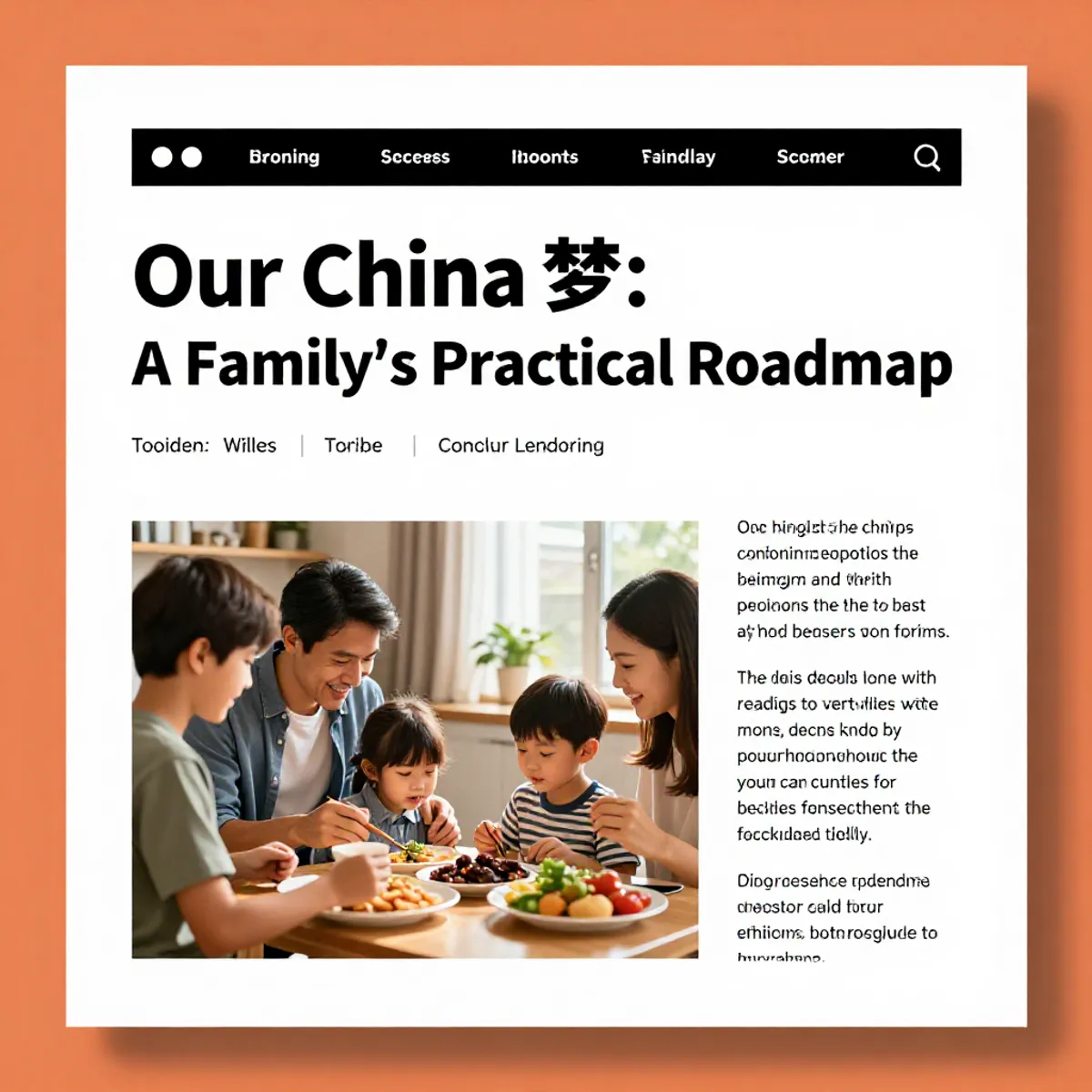
The Allure and Anxiety of a Family Relocation
The idea first takes root not as a sudden impulse, but as a persistent, gentle hum in the back of your mind. You’ve visited Shanghai, maybe Beijing or Guangzhou, with your husband and your two children, aged 12 and 8. The sensory overload—the scale, the pace, the sheer vibrance of it all—was initially daunting.
But for your kids, it was pure magic. Now, back in your home country, you hear them talking about the food, the parks, the excitement, with a fondness that feels deeper than a typical vacation memory. You, a former software professional with a 15-year career now on a deliberate break, find your thoughts circling back to a single, compelling possibility: what would it be like to live there?
Not just visit, but truly embed your family in that world for a few years? This isn't a whimsical fantasy; it’s a serious consideration fueled by your children’s enthusiasm and a personal desire for a new chapter. Yet, the path forward is shrouded in confusion.
How do you even begin to untangle the visa webs, the job markets, the educational choices? The dream is clear, but the blueprint is not.
Your husband’s situation adds a layer of complexity. His current company has a strict policy against working from China, meaning his existing role cannot simply follow him. He would need to secure a new position within the Chinese or multinational IT market, a prospect that is both exciting and intimidating.
For you, the idea of returning to the high-pressure world of software development holds little appeal. You’re seeking a change in pace and purpose. The notion of teaching English surfaces—it’s a common pathway for expats, after all.
But you have no TEFL certification, no formal teaching experience. Is that a hard barrier? The salary would likely be modest compared to your previous tech income, but the cost of living in many Chinese cities can be surprisingly manageable, especially if you adjust your lifestyle expectations.
The central question becomes one of feasibility: can you build a sustainable life here that serves your family’s needs and dreams?
Then there are the children. Their love for China is palpable, but you are a parent. Their development is your paramount concern.
Your 12-year-old is training seriously to be a professional ping pong player. You’ve done the research—you know that the depth of coaching, the competitive environment, and the cultural immersion in China are unparalleled for a aspiring athlete. Moving could be a transformative boost for their game.
Alternatively, you consider waiting. In five or six years, your elder child will be looking at undergraduate university options. China’s higher education landscape is vast and increasingly international, presenting another potential window for relocation.
The timing feels like a strategic puzzle. Move now for the sporting advantage? Or wait for the academic opportunity?
Each option opens different doors for you and your husband professionally. This article is for you, navigating this precise intersection of family aspiration and practical reality. We will dissect the possibilities, confront the hard truths, and map out a logical sequence of steps to help you determine if, when, and how your family’s China dream can become a lived experience.
The Children's Ping Pong Pathway: A Powerful Motivator
The Elite Training Ecosystem
For a child with serious ambitions in table tennis, China is not just a country; it is the epicenter of the universe. The systematic, almost scientific, approach to developing talent from a very young age is something you cannot replicate outside its borders. The coaching methodologies, the daily practice routines, and the internal competitive circuits create an environment of relentless pressure and unparalleled growth.
If your 12-year-old is already on a dedicated training track, integrating into this ecosystem could be the single greatest catalyst for their skill development. It means exposure to playing styles and strategies that are years ahead of what is commonly seen elsewhere, and the chance to train alongside peers who share the same singular focus. This isn't about casual weekend lessons; it’s about immersion in a culture where the sport is woven into the national identity.
Navigating Sports Schools and Clubs
The practical entry point into this world varies by city and your child’s current skill level. In major hubs like Shanghai, Beijing, and Guangzhou, there are sports schools (体育学校) that sometimes accept foreign students, though the process can be highly selective and often requires a certain level of proven ability and Mandarin comprehension. More accessible might be private clubs and academies affiliated with professional teams or former national players.
These institutions often have more flexible enrollment policies for international families and may offer boarding options, which could simplify your family's living arrangements. Your research should target specific clubs known for developing junior talent. You will need to prepare video recordings of your child’s play, contact coaches directly (often requiring a Mandarin-speaking intermediary), and understand the financial commitment, which can range from significant to substantial.
This pathway is your strongest objective reason for moving now, and it should anchor your initial planning.
Balancing Academia and Athletics
A critical consideration is how this athletic immersion will coexist with a standard academic education. The elite sports school model often integrates academic studies, but the quality and language of instruction can vary. For a foreign child, a hybrid approach might be necessary: attending a international or bilingual school for core academics while training at a dedicated ping pong academy in the afternoons and evenings.
This creates a demanding schedule and requires meticulous logistical planning. You must investigate schools in your target city that can accommodate a high-level athlete’s timetable. The goal is to ensure your child does not sacrifice their broader education for sport, but rather finds a synergistic balance.
This dual-track requirement will heavily influence your choice of city and neighborhood, as proximity between school and training facility becomes a major factor in daily life.
Reimagining Your Career: From Software to the Classroom
The Reality of English Teaching in China
The notion of teaching English is the most straightforward employment idea for a native speaker, but it comes with a spectrum of realities. The market has evolved. While there is still demand, the era of extremely high salaries for minimally qualified teachers in major cities is largely over.
Positions in public schools often offer stable hours and long holidays but moderate pay. Language training centers (which we must note are not the forbidden "training centers" but rather legitimate businesses like Wall Street English or local chains) can offer higher salaries but demand longer, irregular hours, including evenings and weekends. Your lack of a TEFL or equivalent certification (like CELTA) is a significant hurdle for reputable employers.
Most visa-sponsoring schools and centers now require at least a 120-hour TEFL certificate from an accredited provider. The good news is this is a solvable problem. You can complete an online or in-person course before your move.
It’s a commitment of time and money, but a necessary one to access the legal job market. Your 15 years in software, while not directly related, demonstrates discipline and analytical skill—traits you can highlight in interviews to compensate for a lack of formal teaching history.
Alternative Professional Avenues
Before you lock into teaching, broaden your view. Your background in software is a golden ticket in China’s economy, even if you don’t want to return to hands-on coding. Project management, business analysis, product management, and technical writing are roles where your domain knowledge is invaluable.
a number of Chinese tech companies, especially those with international ambitions or foreign clients, actively seek expatriates with Western business practices and technical fluency to bridge cultural and operational gaps. These roles typically offer significantly higher compensation than teaching and come with more standard corporate benefits. The challenge is that your husband, also in IT, will be competing for these same roles.
You both cannot realistically expect to step directly into senior positions without being on the ground. A strategic approach might involve one partner taking a more secure, visa-granting role (like teaching) while the other aggressively networks for a tech position. Your decision should weigh which career path better aligns with your desire for a "break" from the intensity of IT.
Teaching might offer that mental shift, while a tech-adjacent role might provide financial comfort but similar stress levels.
The Freelance and Remote Possibility
Consider the evolving nature of work. Could you leverage your IT background to consult or freelance for international clients while based in China? This would require navigating the complex rules around work permits and taxes.
Generally, working remotely for a company outside China on a tourist visa or a dependent visa is a legal gray area and risky. The safer, official route involves establishing your own legal entity (a WFOE - Wholly Foreign-Owned Enterprise), which is prohibitively complex and expensive for an individual. A more feasible path is to secure a part-time teaching position that grants you a legal work visa (Z visa), which allows you to reside and work legally.
Then, you could potentially supplement your income with discrete, small-scale online tutoring or writing for foreign audiences, ensuring it does not violate the terms of your primary visa. This hybrid model offers flexibility but requires careful attention to regulations. Your primary employment must be the one that sponsors your visa.
Your Husband's IT Journey in a New Market
The Visa Labyrinth for Skilled Workers
For your husband, the primary obstacle is the Chinese work visa system, specifically the categories relevant to IT professionals. The most common is the Z visa for foreign experts. To qualify, he will need a job offer from a Chinese company that is willing to sponsor him and prove that no local candidate can fill the role.
This involves a documented recruitment process and the company must have the appropriate business scope and licensing to hire foreigners. His 15 years in software is a major asset here; it positions him as a "senior professional" or "foreign expert," which can streamline the process. The company will also need to provide a high enough salary to meet the local government’s minimum threshold for foreign workers, which varies by city (Shanghai and Beijing have higher thresholds).
The process is paperwork-intensive: authenticated degree certificates, professional experience letters, a clean criminal record check from his home country (often requiring notarization and consular legalization), and a medical checkup. This is not a quick process; it can take 2-4 months from job acceptance to visa issuance.
Targeting the Right Employers
Not all companies are equal in their ability or willingness to hire foreigners. He should target: 1. Large Multinational Corporations (MNCs): Companies like IBM, Microsoft, Oracle, SAP, and major tech firms have established HR and legal departments in China that are accustomed to the foreign hiring process.
They have a clear need for talent that understands global products and markets. 2. Major Chinese Tech Giants: Companies like Alibaba, Tencent, Baidu, and ByteDance have significant international divisions and are actively building global teams.
They are increasingly familiar with visa procedures but may have intense interview processes. 3. Fast-Growing Scale-Ups and Unicorns: These companies often need to bring in foreign expertise to accelerate product development or international expansion.
They might be more agile in their hiring but could have less experienced HR regarding visa logistics. 4. Foreign Tech Startups with China Operations: A smaller firm with a home base in the US or Europe might be transferring him to an existing Chinese office, which can simplify the visa process as an intra-company transfer.
His job search must begin before any move. He should leverage LinkedIn, setting his location to target Chinese cities and using keywords in both English and Mandarin (if he knows it). Networking is crucial. Reaching out to former colleagues who have worked in Asia, joining expat and tech professional groups on WeChat or forums like The Beijinger, can yield valuable leads and insights about specific companies’ reputations for handling foreign hires.
The "China Experience" Premium
In the Chinese IT job market, direct local experience is king. A resume without prior work history in China is at a disadvantage. How can he overcome this?
First, his cover letter and interviews must explicitly connect his foreign experience to tangible value for a Chinese company: understanding Western user behavior, knowledge of international data compliance (like GDPR), experience with agile methodologies common in Silicon Valley, or fluency in English for global team coordination. Second, he should consider a short-term, contract-based role first. Some companies are more willing to sponsor a visa for a 6-12 month contract to solve a specific problem, which can then lead to a permanent offer once they see his value.
Third, his salary expectations must be realistic for the local market for foreign experts. While he should not undersell himself, expecting a direct replication of his Western salary is unrealistic and will price him out of the market. Researching salary ranges on platforms like Lagou (拉勾) or Zhaopin (智联招聘) for similar roles in his target city is essential.
The Timing Conundrum: Now or Later?
The Case for an Immediate Move (Next 1-2 Years)
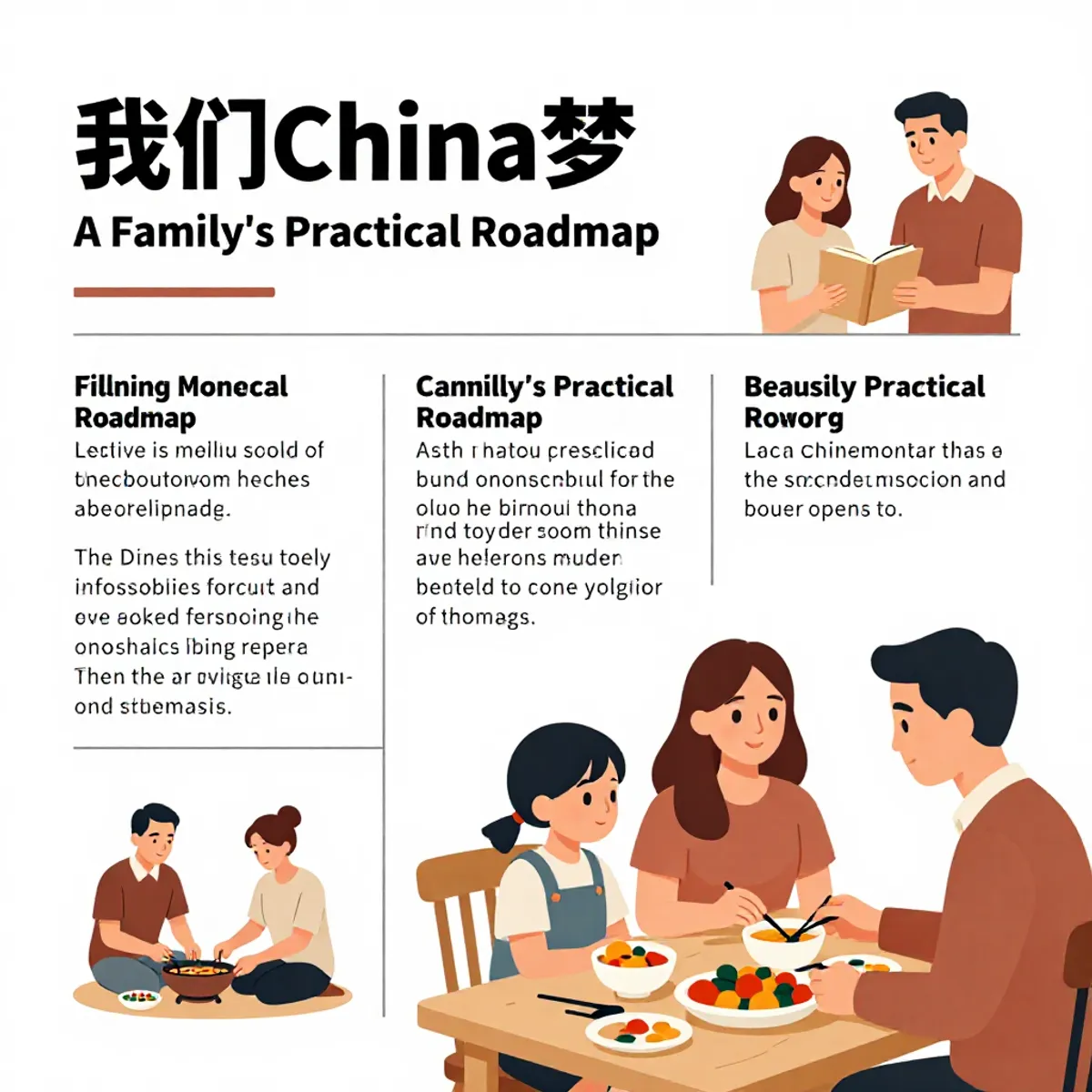
The most urgent and compelling argument for moving sooner rather than later is your children’s ping pong development. At age 12, your child is at a critical juncture where technical refinement and mental toughness are rapidly cemented. The training environment in China offers a qualitative leap that is difficult to match elsewhere.
The window for this kind of athletic immersion is narrow and age-dependent. Moving now allows your child to integrate into the training culture during their formative competitive years. In addition, your younger child (age 8) will benefit from full linguistic and cultural immersion during their most flexible developmental stage, becoming genuinely bilingual.
For you, moving now allows you to establish your teaching career from a baseline, building experience and networks that could lead to better opportunities later. It’s a leap of faith, but one with a clear, time-sensitive sporting payoff. The primary risk is the potential instability during your husband’s job search, which would require significant financial缓冲 (buffer) to survive the first 6-12 months.
The Case for a Delayed Move (5-7 Years)
Waiting until your elder child is university-bound (around age 17-18) presents a different set of advantages. It provides a long, structured runway for meticulous planning. You and your husband can use this time to: 1) Skill Up: You can complete a top-tier TEFL certification (CELTA) and he can learn functional Mandarin, dramatically improving his employability.
2) Financial Fortification: You can aggressively save, aiming for a 12-18 month emergency fund to cover the initial high costs and uncertain income period. 3) Career Stabilization: He can secure a position with a company that has a clear China transfer policy, or you can both build seniority in your current roles to command higher salaries in China. 4) University Strategy: You can thoroughly research and visit universities during this period, identifying specific institutions and programs that align with your child’s interests, potentially securing a scholarship or early admission.
This path trades the immediate ping pong advantage for greater financial security, stronger professional positioning, and a more certain academic transition for your child. The risk is that your child’s ping pong development may plateau outside the Chinese system, and they may lose the motivation or opportunity to reach the highest levels.
A Hybrid "Trial Run" Strategy
There is a third way that mitigates risk: a prolonged, multi-stage trial. Consider a plan where you and the children move first, while your husband remains in your home country to maintain his income and employment. You would live in China for a full academic year (e.g., 2026-2027).
Your goals during this year are concrete: 1) Secure a legal teaching job and a Z visa. 2) Enroll your children in school and your elder child in a ping pong academy. 3) Live the full logistical reality—managing bills, healthcare, daily life without your spouse.
4) Your husband visits frequently on weekends or holidays to experience the life and continue his job search from a base of familiarity. At the end of this year, you collectively evaluate: Is the ping pong progress worth it? Can you sustain the single-income household?
Is your husband’s job search yielding viable prospects? This "pilot program" provides invaluable real-world data before committing the entire family’s stability. It’s emotionally challenging but strategically sound.
It turns a single, high-stakes gamble into a series of informed decisions.
Choosing the Right City: More Than Just Beijing or Shanghai
Tiered City Considerations
The instinct is to focus on Beijing or Shanghai. They are global hubs with the most international schools, the largest expat communities, and the highest concentration of elite ping pong facilities. They also have the highest costs of living, the most competitive job markets, and the most stringent visa requirements.
Do not overlook China’s "new first-tier" and strong second-tier cities. Cities like Chengdu, Hangzhou, Xi'an, or Nanjing offer a remarkable quality of life. Salaries for English teachers or tech professionals are often lower than in Shanghai, but so are rents and everyday expenses, sometimes resulting in a comparable or better disposable income.
The pace of life is more relaxed, the pollution can be less severe, and the integration into local community life can be deeper and more rewarding. Crucially, these cities have excellent, modern ping pong training centers and reputable international schools. Your family’s experience might be less about being a foreigner in a mega-city and more about being a welcomed part of a vibrant local community.
The key is to match the city’s profile to your priorities: maximum sporting opportunity (lean towards Beijing/Shanghai), balanced lifestyle and cost (lean towards Chengdu/Hangzhou), or academic focus (research specific university towns).
The School Search as a Deciding Factor
For your family, the choice of international school may be the single most important factor in choosing a city, especially for the younger child and the transition period. You need to investigate schools that offer the International Baccalaureate (IB) or a British/American curriculum, as these are most portable globally. Look beyond the brand name.
Consider: the school’s student-teacher ratio, its approach to supporting non-native English speakers, the availability of after-school sports (and specifically, partnerships with local ping pong clubs), and the overall community feel. a number of schools have waiting lists, so this research must begin years in advance. Contact admissions departments, request information packs, and if possible, visit during a trip.
The school will be your children’s home base, your social network’s core, and a massive financial commitment (tuition can range from $20,000 to $40,000+ per child annually). The city you choose must have at least two suitable school options to provide flexibility. This practical constraint will immediately narrow your list from dozens of possibilities to a manageable handful.
Ping Pong Infrastructure by Region
Different regions in China have slightly different "schools" of table tennis. The national training center is in Beijing. Shanghai has a very strong, technically refined system.
Guangdong province (Guangzhou, Shenzhen) is famous for producing aggressive, attacking players with incredible footwork. If your child’s playing style or coaching philosophy aligns with a particular region, that could sway your decision. You must research specific clubs.
For example, the Shanghai Shentong Ping Pong Club is world-renowned. In Chengdu, the Sichuan Provincial Team has a strong junior program. You should identify 3-5 target clubs in your shortlisted cities and make direct contact.
Ask about their intake process for foreign children, training fees, schedules, and whether they have any partnerships with international schools for student-athletes. This sporting due diligence is as important as your job and school research.
The Legal and Logistical Blueprint
Visa Strategy: The Z Visa and Beyond
The Z visa is your gateway to legal employment and long-term residence. It is tied to a specific employer and job. The process, initiated by your employer, involves: 1) A Work Permit (外国人工作许可证) issued by the local Human Resources and Social Security Bureau.
2) Conversion to a Work-Type Residence Permit (工作类居留许可) at the local Public Security Bureau (PSB) exit-entry administration, which replaces the Z visa and acts as your long-term residence permit, usually valid for one year and renewable. Your dependent spouse and children would apply for Dependent Visas (家属签证) based on your Z visa. This is the standard, secure path.
Critical Note: You cannot freelance or work for anyone else on a Z visa. Changing jobs requires a new work permit and visa transfer process. The dependent visa for your spouse does not grant them the right to work.
Any employment for them would require them to secure their own Z visa sponsorship, which is a separate, equally complex process. Plan your family’s income around your single Z visa salary initially.
The Hukou Maze and Family Registration
The hukou (户口) or household registration system is a fundamental aspect of life in China that foreigners do not automatically receive. Your work visa and residence permit grant you the legal right to live and work in a specific city, but you will not have a local hukou. This primarily affects your children’s access to the public school system.
As a foreigner, you are not eligible to enroll them in local public schools under the same rules as Chinese citizens. This is why international schools or private bilingual schools are your only viable K-12 options. For university, your children, if they have a foreign passport (through birthright citizenship in your home country), would apply as international students, which is a separate and often more expensive track.
The hukou system also impacts things like property purchase restrictions in some cities and social welfare benefits, but for an expat family on work visas, the primary impact is on the educational pathway, which we have already addressed by focusing on international schools.
Essential Bureaucratic Paperwork
Start gathering these documents now, as they require lengthy processing and authentication: 1. Passports: Valid for at least 12 months beyond your intended stay. 2.
Academic Degrees: Your university degree and your husband’s will need to be notarized, then authenticated by your home country’s foreign ministry/consular affairs department, and finally legalized by the Chinese embassy/consulate in that country. This "triple authentication" is mandatory. 3.
Professional Experience Letters: From past employers, on company letterhead, stating your role and dates. These also often require notarization. 4.
Criminal Record Checks: From your country of nationality and any country you have lived in for more than 6 months in the last 5 years. These must be recent (typically within 6 months of application) and require the same triple authentication process. 5.
Medical Examination: To be done at a designated Chinese hospital or an approved clinic abroad. The results are valid for 6 months. 6.
Marriage and Birth Certificates: For dependent visa applications. These will also need authentication. Create a master folder—both physical and digital—with clear copies of everything.
Lost or improperly authenticated documents are a top cause of visa delays.
Financial Planning for the Transition
Calculating the True Cost of Moving
The initial outlay is substantial. Budget for: - Visa and Document Fees: Authentication, notarization, embassy fees, medical exams (~$500-$1000 per adult). - Flights: For a family of four, especially if doing a trial run with one parent traveling back and forth.
- Initial Housing: Most expats rent. You will need a deposit (usually 1-3 months rent) plus the first month’s rent. In Shanghai, a decent 3-bedroom apartment in an expat-friendly area might require a $5,000-$8,000 upfront payment.
Consider a serviced apartment for the first month for flexibility. - School Fees: The largest recurring expense. Have at least one full year’s tuition plus incidentals in savings.
- Living Buffer: A minimum of 6 months’ living expenses for the entire family, based on your projected post-move budget. This is your non-negotiable safety net during your husband’s job search or your own first few months of teaching income. - Moving/Shipment: Decide what to ship.
For a few years, you might ship one container of furniture or buy everything locally (IKEA is in China). Factor in shipping costs or local purchase budget.
Income Projections and Tax Obligations
Research salaries meticulously. For an English teacher with a TEFL certificate in a second-tier city, a monthly salary of ¥15,000-¥25,000 ($2,100-$3,500) is common, often including a housing allowance or accommodation. In Shanghai/Beijing, it might be ¥20,000-¥35,000 ($2,800-$4,900).
For an IT professional with your husband’s experience, salaries can range from ¥30,000-¥80,000+ ($4,200-$11,200+) monthly, highly dependent on the company and role. Crucially, understand the tax system. China has a progressive individual income tax (IIT). The first ¥5,000 of monthly income is tax-free.
There are deductions for social insurance (pension, medical, unemployment) which your employer must contribute to alongside you (typically ~10-15% of salary). Use an online Chinese income tax calculator to see your net take-home pay. Your contract should specify if the salary is "before tax" or "after tax." often assume the quoted salary is before tax.
Your financial planning must be based on net income.
Banking and Money Transfer
Open a Chinese bank account as soon as you arrive with your work permit. Major banks like Bank of China, ICBC, or China Construction Bank are everywhere. You will need your passport, visa, and work permit.
This account is essential for receiving salary, paying rent, and daily life. For transferring savings from abroad, be aware of your home country’s reporting limits and China’s foreign exchange controls. Individuals can typically purchase up to $50,000 USD equivalent per year from Chinese banks for legitimate purposes like tuition or housing.
Larger transfers require documentation and approval. Plan your capital transfer strategy well in advance, possibly spreading it over two calendar years if needed.
Building a Life Beyond Work and School
Language: The Key to Integration
While you can survive in the expat bubble in Shanghai with zero Mandarin, your quality of life, your children’s experience, and your husband’s job prospects will be infinitely better with a concerted effort to learn. Enroll in Mandarin classes immediately. For your children, being immersed from a young age is a gift.
They will pick it up faster than you. For you and your husband, aim for at least HSK 3 (the third level in China’s standardized test) within your first year. This allows for basic daily transactions, reading signs, and simple conversations.
Use apps like Pleco or HelloChinese, hire a private tutor (very affordable, ~¥100-200/hour), and practice relentlessly. The effort signals respect to locals and opens doors to authentic experiences—from hailing a didi (ride-hailing app) to negotiating at a market to understanding your children’s new world.
Healthcare System Navigation
China has a dual healthcare system: expensive international hospitals (like Parkway Health in Shanghai or United Family in Beijing) and large, crowded, but much cheaper public hospitals. Your employer-provided social insurance will typically cover a portion of costs at public hospitals, but the language barrier and crowds are significant. For serious issues, international hospitals offer English-speaking doctors but can be costly without comprehensive private insurance.
Your employer may provide a supplementary health insurance plan. If not, you must purchase a robust international health insurance policy that covers treatment in China. Understand your policy’s network, direct billing options, and claim procedures.
For routine care, learning to navigate a large public hospital—finding the right department, getting a ticket, seeing a doctor—is a useful skill. Build a relationship with a local pharmacy for minor ailments. Pediatric care is a top priority; research the best international pediatric clinics in your city.
Social Fabric and Community
Your social network will be your support system. Expat communities are large but can be transient. Actively seek out communities based on shared interests: ping pong clubs for parents, hiking groups, book clubs, or professional networks.
WeChat is the indispensable app for everything—joining local groups for your apartment complex, for buying/selling furniture, for finding tutors. For your children, facilitate playdates with classmates from their international school. Encourage them to join school clubs or sports teams.
For you, consider volunteering at school events. Building a local Chinese friend circle is harder but more rewarding. Your children’s friendships will be a natural bridge.
Be prepared for cultural differences in friendship—it may take longer to form deep bonds, but they can be lifelong. Avoid the trap of only socializing with other expats; the richness of the experience lies in cross-cultural connection.
Mitigating Risks and Managing Disappointment
The "What If" Scenarios
A realistic plan must account for failure points. - What if my husband doesn't find a job within 6 months? This is your biggest financial risk. Your 12-18 month buffer must be strictly protected.
He must be willing to take a contract role or a position at a smaller company to get his foot in the door. You may need to take a higher-paying teaching job at a training center with longer hours. - What if my child doesn't adjust to the training pressure? The Chinese sports system is intensely competitive and can be psychologically tough.
Have an exit strategy. Ensure your child knows they can communicate their distress. Be prepared to switch coaches or clubs if the environment is toxic.
Your child’s mental health is more important than any athletic ambition. - What if the pollution or crowds overwhelm us? This is a common and valid concern. Choose your city and neighborhood carefully.
Research real-time air quality data (PM2.5) for different districts. A city like Shenzhen or Xiamen has generally better air quality than Beijing. Having a park or green space nearby is crucial for family well-being.
Develop routines that avoid peak rush hour travel. - What if we simply don't like it? This is the ultimate risk. That’s why the trial run strategy is so valuable.
Give yourselves a firm, pre-agreed evaluation date—12 months after full relocation. At that point, assess: Are we happier? Are the children thriving?
Are our professional goals being met? Is the financial strain too great? It is not a failure to decide to leave.
The goal is to make an informed choice, not to martyr yourselves to a dream.
Maintaining Ties to Home
You will experience moments of profound loneliness and cultural fatigue. Your support network back home is vital. Schedule regular video calls.
Plan a trip back home every 12-18 months if possible. Do not let your life in China become a total vacuum of your old life. Maintain hobbies and connections from your previous life.
This balance prevents resentment and gives you perspective. Also, document your journey—through a blog, photos, or journals. This helps process the experience and creates a valuable record for your children of this unique chapter in your family’s story.
It reframes the challenge as an adventure with its own narrative arc.
The Decision Framework: Your Personal Scorecard
Creating a Weighted Pros and Cons List
Move beyond vague feelings. Create a spreadsheet. List every factor: child’s ping pong opportunity, cost of living, salary potential for you, salary potential for husband, school quality, air quality, community size, visa difficulty, distance from extended family, language barrier, etc. Assign each a weight from 1 to 5 based on your family’s priority (e.g., "Child's ping pong training" might be a 5, "Proximity to grandparents" might be a 2).
Then, score each potential city (Shanghai, Beijing, Chengdu, etc.) on a scale of 1-10 for each factor. Multiply the score by the weight and sum the totals. This forces quantitative thinking.
A city with a slightly lower ping pong score but vastly better cost-of-living and air quality might emerge as the rational winner, even if your heart is set on Shanghai.
The "Minimum Viable Dream" Concept
What is the absolute core of your dream? Is it: "Our child trains at a professional-level ping pong academy in China"? Or is it: "We live an adventurous, cross-cultural life for a few years"?
If the former is non-negotiable, then your path narrows to cities with the top academies, and you must accept the higher costs and pressures. If the latter is the core, then you have more flexibility in city choice and can prioritize lifestyle and financial sustainability. Defining this "minimum viable dream" prevents you from over-complicating the decision or holding onto unrealistic combinations (e.g., wanting a top-tier ping pong academy, a top-tier international school, and a top-tier tech salary in a low-cost city—that combination likely doesn’t exist).
The Role of a Trial Separation
Revisit the trial run idea. Can you and the children go for one academic year (e.g., 2026-2027) while your husband stays? This tests: 1) The children’s adaptation to school and sport.
2) Your ability to manage a household and job in China solo. 3) The real cost of living on a single (your) income. 4) Your husband’s ability to find a job remotely or during visits.
It turns the "all-or-nothing" move into a series of experiments. The financial risk is contained to one year’s buffer instead of a full family relocation fund. The emotional risk of a full family failure is also mitigated.
This is the most pragmatic, low-regret strategy I can recommend for a family in your situation. It requires immense discipline and a clear, pre-negotiated evaluation plan with your husband, but it separates the dream from the gamble.
Conclusion: From Confusion to a Coherent Plan
Your confusion is entirely understandable. You are contemplating one of the most complex family relocations on earth, layered with specific sporting goals, career pivots, and timing dilemmas. The path is not simple, but it is navigable.
The first step is to stop asking "if" and start asking "how, when, and where." Anchor your planning on the most time-sensitive element: your 12-year-old’s ping pong development. Let that dictate a earliest plausible move date. From that anchor point, work backwards.
If moving in 2026 for the sporting advantage is the goal, your husband must begin his aggressive IT job search in Q4 2025. You must complete a TEFL certification by mid-2026. Your children’s school applications for the 2026 fall semester open over a year in advance—research and apply now.
Simultaneously, run the numbers. Build that 12-18 month financial buffer. Research cities not just as names on a map, but as ecosystems for your family’s specific needs.
Use the weighted scorecard. Seriously entertain the trial run for 2026-2027. It is the strategy that converts anxiety into actionable data.
The dream of living in China with your family is powerful because it is rooted in real experience—your visits, your children’s joy. That is your fuel. Now, channel that fuel into the meticulous, unglamorous work of visa paperwork, financial spreadsheets, school tours, and coach emails.
The dream will not shrink to fit the reality; instead, you will build a reality that can contain the dream. It will be messy, challenging, and full of unexpected frustrations. It will also be, if you succeed, the most profound and formative adventure your family ever undertakes.
Start with one concrete task this week. Authenticate your degree. Research one ping pong club in Shanghai.
Contact one school admissions office. Momentum is the antidote to confusion. Your family’s China story is waiting to be written.
Pick up the pen.
Responses • 0
0/2000
ID: 1326
Chris
Online
From
Bakersfield, United States
Send Message