Navigating Dietary Restrictions in Abroad Assignments
AI Learn Chinese
2 hr • 0 read
Explore challenges and strategies for expatriates with dietary needs managing company dinners in Chinese and Korean work cultures.
Introduction: The Personal Dilemma of Dining Abroad
Embarking on an international teaching assignment presents exciting challenges and opportunities for cultural immersion. For many expatriates, destinations like China and Korea offer rich experiences. But, a significant concern arises when personal health needs conflict with local dining practices.
This article explores the specific challenge faced by individuals with dietary restrictions who are considering teaching abroad, focusing on the social aspects of eating, particularly company dinners, within the context of Chinese and Korean work cultures. It aims to provide insights and potential strategies for navigating these unique situations successfully.
The Core Challenge: Beyond Just Food
At first glance, the issue seems simple: inability to eat food prepared outside one's own kitchen. But, this goes beyond mere sustenance. For those who cannot eat out due to allergies, medical conditions, or strict dietary requirements, the inability to participate fully in communal dining experiences can be a significant source of anxiety.
While cooking for oneself offers complete control and satisfaction, it may not always align with the social expectations prevalent in certain workplace cultures abroad. This conflict between personal health needs and social obligations requires careful navigation and proactive planning for a fulfilling expatriate experience.
Understanding Cultural Dining Practices
In many East Asian countries like China and Korea, sharing meals is deeply ingrained in business and social etiquette. Company dinners are a common tool for building team cohesion, discussing work matters informally, and fostering relationships. These gatherings often form a crucial part of the workweek and are seen as essential for integration into the corporate environment. Understanding the cultural significance of these meals is the first step in addressing the potential challenges they pose for individuals with dietary restrictions.
The Significance of Company Dinners
Beyond being a social event, company dinners often serve practical purposes. They provide a relaxed setting for managers to discuss performance, project updates, or strategic plans away from the formal office environment. For employees, participating demonstrates commitment, facilitates networking, and helps build camaraderie.
In cultures where hierarchical structures exist, these meals can also be a subtle way for superiors to acknowledge staff contributions. The collective dining experience itself is valued as much as the conversation it enables.
Common Features: Group Orders and Shared Platters
Traditional company dinners or banquets often feature group orders or large platters of shared dishes. This communal aspect maximizes efficiency and allows everyone to sample various dishes. While this approach fosters conviviality, it presents difficulties for individuals who cannot consume certain ingredients or follow specific diets. The lack of control over ingredients and preparation methods in these settings can make participation challenging or even impossible without significant advance notice or accommodation.
Coping Strategies for Dietary Restrictions
Dealing with dietary restrictions abroad requires a multi-faceted approach that combines practical solutions, clear communication, and proactive planning. Success often depends on the specific condition, the nature of the institution, and the openness of colleagues and management.
Embracing Self-Catering Solutions
Perhaps the most straightforward solution for individuals with strict dietary needs is to maintain a fully self-sufficient eating routine. This involves cooking all meals at home and bringing lunch to work. a number of expatriate housing options, particularly apartments, include fully equipped kitchens suitable for daily cooking.
Utilizing company-provided accommodation kitchens or nearby apartment amenities can facilitate this. While this requires discipline and potentially limits social spontaneity during lunch breaks, it offers complete control over diet and peace of mind regarding health requirements. Stocking a well-equipped pantry with necessary ingredients is key.
Meal Planning and Preparation
Consistent meal planning is essential for managing dietary restrictions effectively. This means knowing exactly what will be eaten day-to-day and ensuring all necessary ingredients are available. a number of find value in preparing larger meals and snacks to have readily available options during busy work periods.
This might involve weekly grocery trips and dedicated preparation time, perhaps during less busy hours or on weekends. Having clearly labelled, pre-prepared meals or healthy snacks readily accessible can significantly simplify daily choices and reduce reliance on external food sources.
Communicating Needs Effectively
Proactive and clear communication about dietary requirements is paramount in any cultural context. Simply expecting accommodation or understanding may not be sufficient. Initiating conversations early in the assignment about potential challenges demonstrates responsibility and willingness to find a solution that respects both personal health needs and workplace culture. Using direct but polite language to explain the specific nature of the dietary restrictions and their limitations is crucial.
The Role of Transparency and Honesty
Transparency builds trust. Explaining the medical or personal reasons behind the dietary needs, without oversharing, can help colleagues and managers understand the constraints. Framing the communication around the need for control over ingredients ("I need to ensure certain ingredients are not present") rather than just stating inability to eat specific foods can be more effective. It's important to convey understanding of the cultural importance of shared meals while clearly stating the unavoidable limitations.
Seeking Managerial Support and Understanding
The manager plays a critical role in facilitating a positive work environment. Approaching the manager directly, perhaps during an initial meeting or orientation, to discuss the dietary situation and explore potential workplace accommodations is highly recommended. This could range from asking about the possibility of bringing homemade lunch options for specific department meetings to discussing dietary needs when planning office-wide events. Demonstrating flexibility and a willingness to participate within the given constraints can foster goodwill and support.
Company Dinners and Social Integration: The Specific Concern
Company dinners represent a concentrated challenge for those with dietary restrictions. While they are intended to build team spirit, the very nature of these events – often involving external food provided by caterers or restaurant group orders – creates conflict. Caterers typically use standard menus and ingredients, making it difficult to accommodate highly specific allergies or diets without significant modification, which is often not feasible. Restaurant group orders rely on shared dishes, posing cross-contamination risks or ingredient conflicts for many individuals.
Navigating the Logistics of Company Dinners
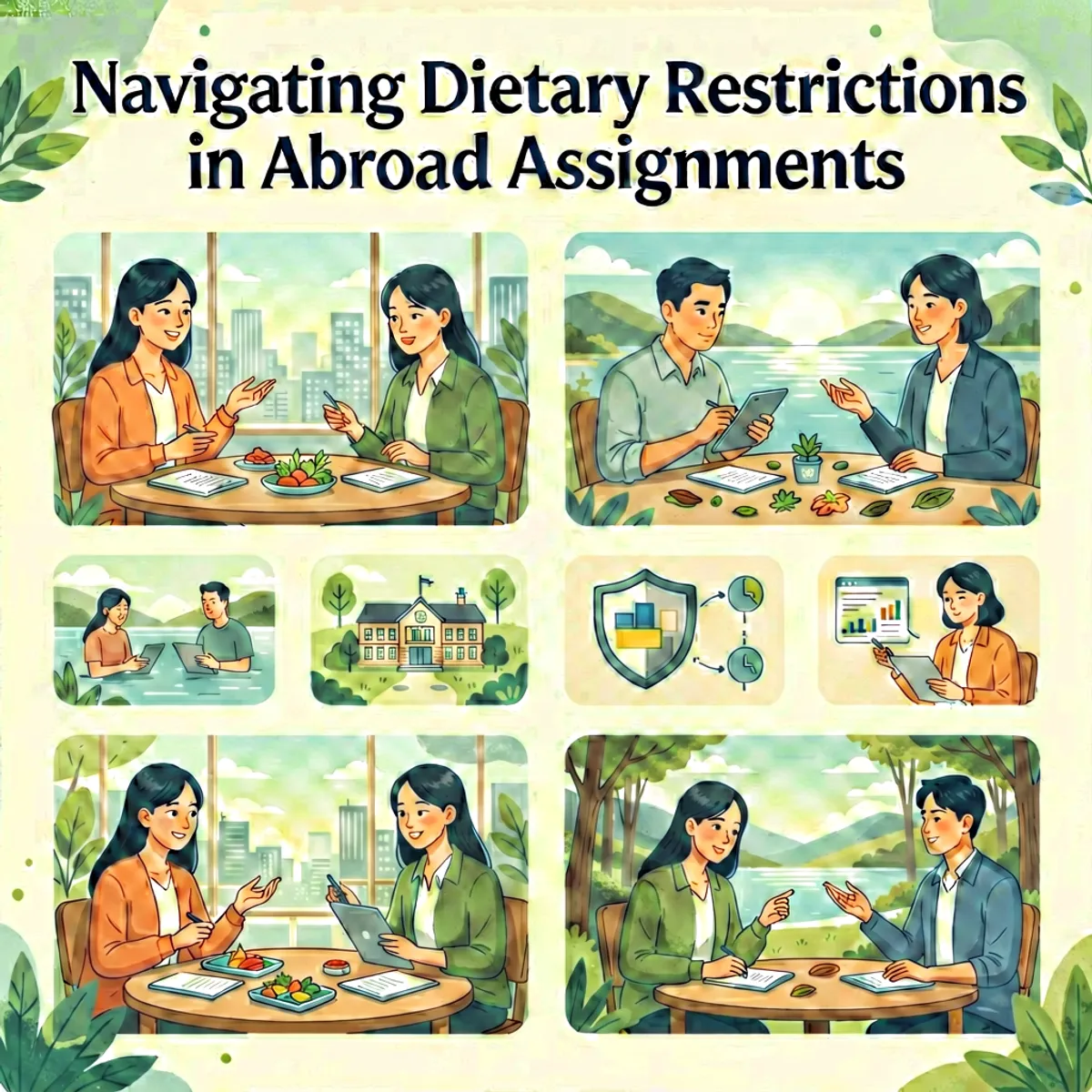
Confronting the logistical hurdles of company dinners requires creative thinking and negotiation. Possibilities include requesting alternative arrangements, such as ordering separate vegetarian or allergy-friendly dishes, although this might incur extra costs and require advance notice. Another option could be suggesting a potluck-style dinner where colleagues contribute specific dishes, allowing for greater control over ingredients.
Alternatively, proposing to eat beforehand or at a different location, though this might feel isolating. The practicality of these solutions varies greatly depending on the specific company, its size, location, and management's openness to flexibility.
The Social Dimension: Eating Together
Beyond the logistical challenges, there's the social aspect. Eating together is often about conversation, shared enjoyment, and building rapport. For someone unable to eat the provided food, participating fully is difficult.
They may be relegated to observing, which can feel isolating. This doesn't diminish their value or contributions, but it highlights a significant barrier to certain forms of social interaction that are culturally embedded in some work environments. Finding alternative ways to engage during such times, perhaps through other social activities offered by the company or local community, is important.
Maintaining a Positive Outlook
It's easy to view company dinners primarily through the lens of exclusion if dietary restrictions prevent participation. But, maintaining a positive and understanding attitude towards the practice itself, while actively seeking solutions for personal participation, is key. Recognizing that these traditions exist as part of the culture is the first step.
Focusing on the opportunity to learn about local food culture and finding ways to integrate, perhaps by participating in approved alternative activities during the designated meal time, can help manage the situation effectively. The goal is adaptation, not necessarily complete participation in every aspect of the traditional event.
Alternatives and Adaptations
Not every situation allows for complete avoidance of external food sources during social events. So, exploring alternative strategies and adaptations is essential. These can range from finding suitable external dining options to managing expectations and building support networks.
Finding Suitable External Dining Options
While challenging, some expats successfully navigate eating out with dietary restrictions. This requires diligent research and resourcefulness. Utilizing online platforms that list restaurants with allergy-friendly options, seeking recommendations from local expat communities, or joining support groups for dietary restrictions can be invaluable.
Some restaurants may offer prepared dishes for takeaway, allowing for greater independence. Developing a list of reliable, suitable dining options is a crucial part of managing the expatriate lifestyle with specific food needs.
The Value of Local Expat Networks
Local expat communities, both online and offline, are often invaluable resources for navigating daily life abroad, including dining options. Sharing experiences and challenges with others facing similar situations provides practical advice, emotional support, and a sense of shared understanding. Learning about hidden gems or establishments known for accommodating certain dietary needs can significantly expand one's culinary horizons and provide relief during times when self-prepared food isn't feasible. These networks also offer tips on communicating needs effectively in Chinese or Korean contexts.
Managing Expectations and Prioritizing Health
Perhaps the most sustainable strategy is managing expectations surrounding eating out. Accepting that not every social event involving food will be fully accessible is a reality for many. Prioritizing health and well-being means sometimes choosing to decline participation in a particular group meal if the alternatives are unsatisfactory or risk too high.
Learning to enjoy the social aspects outside of mealtimes and focusing on building relationships through other channels is vital. Flexibility and a willingness to adapt to the local context while standing firm on health needs are key coping mechanisms.
Focus on Shared Experiences Beyond Food
While the dining table is a significant social space, work and life extend beyond meals. Focusing on shared professional goals, collaborative projects, team-building activities outside formal dinners, and exploring the local area for non-food related social interactions can help build meaningful connections. Engaging in hobbies, joining local clubs, or participating in community events can provide rich social experiences independent of the dining table. Building a diverse social network offers multiple avenues for integration.
Experiences from China and Korea
Hearing about the experiences of others who have navigated similar situations can provide valuable insights and reassurance. While individual experiences vary greatly depending on the specific company, location within the country, and personal circumstances, certain patterns often emerge regarding company dining culture in China and Korea.
China: 酒桌文化 (Jiu Zhu Wen Hua) - The Drinking Culture
"酒桌文化" (jiu zhu wen hua), or the culture of drinking at the table, is a significant aspect of business and social interactions in China, particularly in the workplace. Company dinners often feature substantial amounts of alcohol, and participation can be expected, especially by senior staff or clients. For individuals with dietary restrictions that may extend to alcohol intolerance or other limitations affecting drinking, this presents a complex challenge.
While some may find ways to politely decline participation in drinking sessions, it requires cultural sensitivity and strong communication skills. The pressure to participate can be intense. Understanding the local 酒桌文化 beforehand and preparing responses is crucial.
Food Variety vs. Dietary Control
While Chinese cuisine offers vast regional diversity, finding meals that strictly adhere to individual dietary needs at a traditional banquet can be difficult. a number of dishes share common ingredients or preparation methods. But, some workplaces are increasingly aware of dietary needs and may offer separate vegetarian options or clearly labelled dishes.
The key is to research the specific workplace culture and proactively communicate needs. In larger cities, finding external dining options that cater to specific diets is often possible, though it requires advance planning.
Korea: Banquets and Potlucks
Korean corporate culture also values company gatherings and banquets. These often feature traditional Korean dishes known for their rich flavours and generous portions. Sharing is common, and alcohol, particularly soju, is a staple.
For individuals with dietary restrictions, the high sodium content in some traditional dishes or reliance on fermented ingredients can be problematic. Potluck-style gatherings might offer more flexibility, allowing colleagues to contribute dishes that suit everyone's needs. But, traditional large-scale banquets can still pose challenges.
Korean supermarkets generally offer a wide range of products, making self-catering easier, though finding highly specific dietary alternatives externally might require more effort.
Understanding Korean Dining Etiquette
Korean dining etiquette often includes communal sharing and specific ways of presenting and consuming food. While this fosters closeness, it can be challenging for those with specific allergies or dislikes. Understanding these nuances helps in navigating situations more smoothly.
Japan: The Art of Hospitality and Mealtime Expectations
Moving from Korea to Japan introduces another distinct work culture centered around dining. In Japanese corporate settings, company meals or banquets often reflect a deep-rooted tradition of hospitality known as omotenashi. This philosophy emphasizes anticipating the needs of guests and visitors, including employees. Consequently, these gatherings are meticulously planned to ensure everyone has a pleasant experience.
Unlike some East Asian cultures where group orders dominate, Japanese banquets place a strong emphasis on presentation, variety, and the quality of each dish served individually. While sharing is common, the expectation of personal servings is often higher. This attention to detail in meal preparation stems from a cultural appreciation for aesthetics and culinary refinement. But, this very focus can create unique challenges for individuals with specific dietary restrictions or allergies.
The Cultural Significance of Banquets in Japan
Company banquets in Japan often serve as pivotal moments for relationship-building and business advancement. These events are carefully orchestrated opportunities for managers to showcase company culture and strengthen team bonds. Understanding the underlying purpose of these gatherings is essential for navigating them effectively when health constraints are involved.
Attendance at these functions is typically expected across all hierarchical levels, from entry-level employees to senior executives. The atmosphere tends to be more formal than in some Western or Korean settings, with dress codes sometimes enforced and conversation centered around work or business development. For expatriates, grasping these nuances is the first step toward proactive management of potential dining challenges.
Navigating Japanese Food Presentation and Variety
Japanese cuisine is renowned for its meticulous preparation and diverse ingredients. Banquets often feature a carefully curated selection of dishes, including appetizers (oshiru), soup, grilled items (yakizakura), and traditional sides. This abundance of options might seem welcoming, but for those with severe allergies or restricted diets, it requires careful navigation. Common allergens like soy sauce (which contains wheat), sesame, and various seafoods appear frequently.
In addition, Japanese dining customs often involve communal elements, such as shared dipping sauces or relishes, which can pose cross-contamination risks. The challenge lies in appreciating the cultural artistry while maintaining strict control over one's dietary intake. Preparing in advance by researching common allergens in Japanese dishes is highly recommended.
Expanding Coping Strategies for Diverse Cultural Contexts
While the strategies discussed previously remain valuable, their effectiveness can vary significantly depending on the specific cultural context and workplace environment. Tailoring approaches to address the unique aspects of each culture requires both flexibility and research.
The Importance of Prior Research and Preparation
Comprehensive preparation before arrival can significantly mitigate potential challenges. Researching the specific company's approach to meals, understanding local dining customs, and identifying reliable restaurants offering suitable options are all crucial steps. Learning basic phrases in Japanese or Korean related to food and dining can also prove helpful in facilitating communication.
Leveraging Cultural Intelligence (CQ)
Developing cultural intelligence regarding food practices can transform potential dining obstacles into opportunities for positive interaction. Showing genuine interest in local cuisine while politely explaining dietary limitations demonstrates respect for the culture while advocating for one's health needs. This balanced approach can foster understanding and support from colleagues.
Proactive Planning with the Host Organization
Engaging in early discussions with the host organization about dietary requirements is often more effective than waiting for problems to arise. This could involve requesting the inclusion of specific dishes or ensuring vegetarian options are available for group events. While not all companies may have readily available solutions, demonstrating initiative and willingness to compromise can lead to mutually acceptable arrangements.
Beyond Work Meals: Exploring Other Social Venues
While company-organized meals present challenges, expatriates with dietary restrictions can still fully participate in social integration through other channels. a number of companies organize team-building activities that do not revolve around food, such as sports events, cultural outings, or volunteer opportunities.
Finding Acceptable External Dining Options
Diligent research into local restaurants that cater to specific dietary needs is essential. While the options may be more limited in smaller cities, major metropolitan areas in Japan, China, and Korea often have increasingly diverse dining scenes. Look for establishments that clearly indicate their ability to accommodate special requests or offer tailored menus.
Building a Supportive Network
Connecting with other expatriates and local friends who understand the challenges can provide invaluable support. Sharing experiences and discovering hidden gems or reliable eateries that meet specific dietary requirements can expand available options. These networks can also offer practical advice on communicating needs effectively in different cultural contexts.
Focusing on Non-Food Social Interactions
Emphasizing social connections outside of mealtimes is another effective strategy. Building rapport through professional collaborations, participating in language exchange programs, or joining local clubs and groups unrelated to food can create rich social experiences. The key is maintaining an open mindset and focusing on overall integration rather than solely on dining situations.
Conclusion: Planning and Proactivity Key to Success
Embarking on an expatriate teaching career in countries like China or Korea involves embracing both the exciting opportunities and the inherent cultural nuances. Concerns about navigating company dinners and social dining due to dietary restrictions are valid and common. But, with careful planning, proactive communication, and a willingness to adapt and seek solutions, these challenges are manageable.
Strategies such as maintaining a self-sufficient kitchen, clearly articulating dietary needs to management, exploring alternative dining options, and focusing on building relationships beyond the table can pave the way for a successful and enriching experience abroad. Thorough research and connecting with other expats facing similar situations are invaluable tools for preparation. While the path may require adjustments, the rewards of cultural immersion and professional growth are substantial for those prepared to navigate the unique aspects of international work life.
Responses • 0
0/2000
ID: 1326
Chris
Offline
2 hr
Visited
From
Bakersfield, United States
Send Message