Wo ai ni
How is hsk 3.0 version
HSK
Dec 26 • 1574 read
Could someone please explain the HSK 3.0 version in detail, including its structure and main differences from the old HSK?
Answer
0
•
Reply •
Dec 27
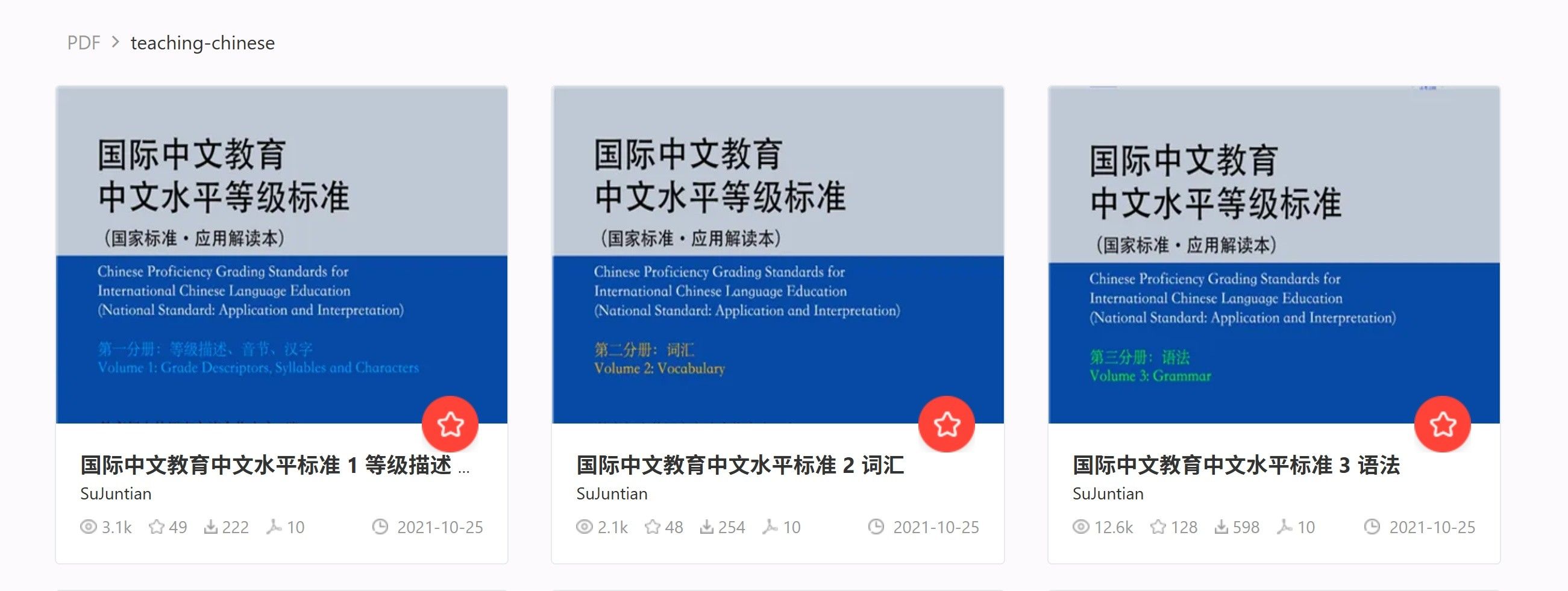
You can refer to the first three PDFs on this webpage: https://www.cchatty.com/courseware/teaching-chinese. The preface, titled "The Global Journey of the International Chinese Language Education Proficiency Standards" (original Chinese: 《汉语国际教育汉语水平等级标准全球化之路》), thoroughly explains the purpose, historical background, and key details of HSK 3.0 as outlined in the materials.
HSK 3.0: Core Outline & Major Differences from HSK 2.0
🟢Core Outline of HSK 3.0
Officially launched in late 2025 with global exams starting in January 2026, HSK 3.0 is a comprehensive upgrade of the Chinese Proficiency Test. Designed to align better with real-world communication needs and global Chinese learning trends, its core framework centers on a “three stages and nine levels” structure, featuring clear skill requirements, targeted content focus, and seamless digital integration.
1. Level Structure: Three Stages & Nine Levels
HSK 3.0 replaces HSK 2.0’s single six-level system with a more granular three-stage, nine-level structure, each tailored to distinct proficiency goals.
The Elementary Stage (Levels 1–3) focuses on basic daily communication, such as greetings, shopping, and asking for directions—only Listening and Reading are tested at Level 1, with Writing added from Level 2 onward.
The Intermediate Stage (Levels 4–6) enables independent communication in study, work, and social scenarios, including discussing projects and writing simple notices; it assesses Listening, Reading, and Writing, with mandatory Speaking integrated into all three levels.
The Advanced Stage (Levels 7–9) equips learners to handle complex language tasks in professional and academic contexts, such as academic research and cross-cultural negotiations.
This stage tests five core skills: Listening, Speaking, Reading, Writing, and Translation (from the learner’s native language to Chinese, covering seven languages: English, Spanish, Japanese, Korean, Thai, Mongolian, and Vietnamese).
2. Quantitative Requirements (Vocabulary, Grammar, etc.)
HSK 3.0 expands content coverage and introduces “essential words” and “extended words” to enhance practicality.
For the Elementary Stage (up to Level 3), the requirements include 608 syllables, 900 characters, 2,245 total words, and 210 grammar points.
The Intermediate Stage (up to Level 6) increases these to 908 syllables, 1,800 characters, 5,456 total words, and 424 grammar points.
The Advanced Stage (up to Level 9) reaches 1,100 syllables, 3,000 characters, 11,092 total words, and 572 grammar points. Vocabulary focus shifts to modern terms like “共享经济 (shared economy)”, “人工智能 (artificial intelligence)”, and “碳中和 (carbon neutrality)”, while outdated words (e.g., “fax”) are removed. Grammar emphasis is placed on practical structures—such as degree complements, passive voice with “被”, and comparative sentences—that support real-world communication.
3. Test Format & Digital Integration
HSK 3.0 offers dual-mode exams, retaining paper-based tests while expanding computer-based and online options to adapt to global learning conditions. It integrates AI into question design, proctoring, and scoring, and develops personalized adaptive learning tools to support learners. Test results are valid for 2 years and are widely recognized for university admissions, scholarships, and career development worldwide.
🟢Major Differences Between HSK 3.0 and HSK 2.0
HSK 3.0 is not merely a “level expansion” but a systemic reconstruction of the proficiency evaluation system, with key distinctions from HSK 2.0 as follows:
In terms of level division, HSK 2.0 features 6 levels (1–6) in a single-tiered structure with no clear stage distinction, while HSK 3.0 adopts 9 levels (1–9) divided into three stages (Elementary/Intermediate/Advanced), enabling more precise alignment with learner needs.
For skill assessment, HSK 2.0 tests Listening, Reading, and Writing (for Levels 3–6), with Speaking offered as an optional separate test not integrated into the main exam. In contrast, HSK 3.0 makes Speaking mandatory for all levels (integrated into the main test) and adds Translation (from native language to Chinese) for Advanced levels (7–9), covering a total of five skills.
Regarding vocabulary and content, HSK 2.0 focuses on fixed basic vocabulary (e.g., 1,200 words for Level 4, 2,500 for Level 5) centered on daily life, lacking modern or professional terms. HSK 3.0 expands vocabulary to 11,092 words at Level 9, introduces “essential/extended words”, and incorporates content on contemporary China (including tech, ecology, and social development) as well as professional scenarios.
In quantitative standards, HSK 2.0 has no clear syllable or character benchmarks, with a lower vocabulary ceiling (max. 5,000 words for Level 6). HSK 3.0 defines explicit indicators for syllables, characters, and grammar points, with total vocabulary nearly doubling HSK 2.0’s upper limit.
Practical orientation differs significantly: HSK 2.0 emphasizes language knowledge (vocabulary, grammar) over real communication, leading to a “heavy on reading/writing, light on speaking” dynamic. HSK 3.0 prioritizes communicative competence, such as engaging in real-work discussions and academic writing, with Advanced levels targeting professional and academic application.
Digital features are another key difference: HSK 2.0 is primarily paper-based with limited digital support, while HSK 3.0 integrates AI for proctoring and scoring, offers online testing, and provides adaptive learning tools.
Finally, target audience: HSK 2.0 mainly caters to beginners and intermediate learners (e.g., international students in China), while HSK 3.0 covers all learners—from beginners to professionals—and aligns with global demand for high-level Chinese proficiency (e.g., for cross-cultural negotiators and researchers).
🟢Key Takeaway
HSK 3.0 marks a fundamental shift from “testing language knowledge” to “evaluating practical communication ability”. Its nine-level structure, expanded skill assessment, and digital innovation make it a more authoritative and practical tool for global Chinese learners. For test-takers, adjusting study plans to focus on modern vocabulary, speaking/translation skills, and real-scenario application will be critical for success.
(more)HSK 3.0: Core Outline & Major Differences from HSK 2.0
🟢Core Outline of HSK 3.0
Officially launched in late 2025 with global exams starting in January 2026, HSK 3.0 is a comprehensive upgrade of the Chinese Proficiency Test. Designed to align better with real-world communication needs and global Chinese learning trends, its core framework centers on a “three stages and nine levels” structure, featuring clear skill requirements, targeted content focus, and seamless digital integration.
1. Level Structure: Three Stages & Nine Levels
HSK 3.0 replaces HSK 2.0’s single six-level system with a more granular three-stage, nine-level structure, each tailored to distinct proficiency goals.
The Elementary Stage (Levels 1–3) focuses on basic daily communication, such as greetings, shopping, and asking for directions—only Listening and Reading are tested at Level 1, with Writing added from Level 2 onward.
The Intermediate Stage (Levels 4–6) enables independent communication in study, work, and social scenarios, including discussing projects and writing simple notices; it assesses Listening, Reading, and Writing, with mandatory Speaking integrated into all three levels.
The Advanced Stage (Levels 7–9) equips learners to handle complex language tasks in professional and academic contexts, such as academic research and cross-cultural negotiations.
This stage tests five core skills: Listening, Speaking, Reading, Writing, and Translation (from the learner’s native language to Chinese, covering seven languages: English, Spanish, Japanese, Korean, Thai, Mongolian, and Vietnamese).
2. Quantitative Requirements (Vocabulary, Grammar, etc.)
HSK 3.0 expands content coverage and introduces “essential words” and “extended words” to enhance practicality.
For the Elementary Stage (up to Level 3), the requirements include 608 syllables, 900 characters, 2,245 total words, and 210 grammar points.
The Intermediate Stage (up to Level 6) increases these to 908 syllables, 1,800 characters, 5,456 total words, and 424 grammar points.
The Advanced Stage (up to Level 9) reaches 1,100 syllables, 3,000 characters, 11,092 total words, and 572 grammar points. Vocabulary focus shifts to modern terms like “共享经济 (shared economy)”, “人工智能 (artificial intelligence)”, and “碳中和 (carbon neutrality)”, while outdated words (e.g., “fax”) are removed. Grammar emphasis is placed on practical structures—such as degree complements, passive voice with “被”, and comparative sentences—that support real-world communication.
3. Test Format & Digital Integration
HSK 3.0 offers dual-mode exams, retaining paper-based tests while expanding computer-based and online options to adapt to global learning conditions. It integrates AI into question design, proctoring, and scoring, and develops personalized adaptive learning tools to support learners. Test results are valid for 2 years and are widely recognized for university admissions, scholarships, and career development worldwide.
🟢Major Differences Between HSK 3.0 and HSK 2.0
HSK 3.0 is not merely a “level expansion” but a systemic reconstruction of the proficiency evaluation system, with key distinctions from HSK 2.0 as follows:
In terms of level division, HSK 2.0 features 6 levels (1–6) in a single-tiered structure with no clear stage distinction, while HSK 3.0 adopts 9 levels (1–9) divided into three stages (Elementary/Intermediate/Advanced), enabling more precise alignment with learner needs.
For skill assessment, HSK 2.0 tests Listening, Reading, and Writing (for Levels 3–6), with Speaking offered as an optional separate test not integrated into the main exam. In contrast, HSK 3.0 makes Speaking mandatory for all levels (integrated into the main test) and adds Translation (from native language to Chinese) for Advanced levels (7–9), covering a total of five skills.
Regarding vocabulary and content, HSK 2.0 focuses on fixed basic vocabulary (e.g., 1,200 words for Level 4, 2,500 for Level 5) centered on daily life, lacking modern or professional terms. HSK 3.0 expands vocabulary to 11,092 words at Level 9, introduces “essential/extended words”, and incorporates content on contemporary China (including tech, ecology, and social development) as well as professional scenarios.
In quantitative standards, HSK 2.0 has no clear syllable or character benchmarks, with a lower vocabulary ceiling (max. 5,000 words for Level 6). HSK 3.0 defines explicit indicators for syllables, characters, and grammar points, with total vocabulary nearly doubling HSK 2.0’s upper limit.
Practical orientation differs significantly: HSK 2.0 emphasizes language knowledge (vocabulary, grammar) over real communication, leading to a “heavy on reading/writing, light on speaking” dynamic. HSK 3.0 prioritizes communicative competence, such as engaging in real-work discussions and academic writing, with Advanced levels targeting professional and academic application.
Digital features are another key difference: HSK 2.0 is primarily paper-based with limited digital support, while HSK 3.0 integrates AI for proctoring and scoring, offers online testing, and provides adaptive learning tools.
Finally, target audience: HSK 2.0 mainly caters to beginners and intermediate learners (e.g., international students in China), while HSK 3.0 covers all learners—from beginners to professionals—and aligns with global demand for high-level Chinese proficiency (e.g., for cross-cultural negotiators and researchers).
🟢Key Takeaway
HSK 3.0 marks a fundamental shift from “testing language knowledge” to “evaluating practical communication ability”. Its nine-level structure, expanded skill assessment, and digital innovation make it a more authoritative and practical tool for global Chinese learners. For test-takers, adjusting study plans to focus on modern vocabulary, speaking/translation skills, and real-scenario application will be critical for success.
1
•
Reply •
Dec 27
ID: 27213
英哪
Offline
Dec 27
Visited
From
Rangoon, Myanmar
Send Message