Discover Shanghai's Top Climbing Gyms
AI Learn Chinese
4 hr • 0 read
Find quality climbing gyms in Shanghai with day passes, autobelay, and metro access for visitors.

Introduction: The Search for Quality Climbing in Shanghai
Finding a good climbing gym in a massive city like Shanghai is a familiar challenge for both travelers and new residents. You want a space with quality walls, reliable equipment, and a manageable crowd. The request for recommendations near HuangPu district highlights a common pain point: the best-known option feels inadequate, and online information quickly becomes stale.
This situation is especially acute for short-term visitors who need flexibility, not a long-term membership. Your criteria are clear: a day pass, autobelay availability, and a location reachable via the metro, even if it means traveling outside HuangPu.
The goal here is to move beyond the frustrating cycle of outdated blog posts and crowded, undersized facilities. We will build a practical framework for evaluation and then apply it to specific, currently operational gyms across Shanghai. This approach prioritizes your limited time and need for an uncrowded, high-quality session. Forget sifting through years-old forum posts; we focus on the present reality of Shanghai's climbing scene.
The core issue is a mismatch between static online information and the dynamic nature of commercial gyms. A gym recommended three years ago may have closed, expanded, or become so popular that it's now perpetually packed. Your two-week window demands accuracy.
We will leverage the tools you have—WeChat and the metro system—to access real-time data and efficient transit routes. This isn't about listing every gym; it's about identifying the right ones for your specific, temporary needs.
Why Past Recommendations Fail Today
Pongo's Persistent Crowding Issues
Pongo is often the first name that surfaces for climbers in central Shanghai. Its location near the heart of HuangPu makes it seemingly convenient. But, as you experienced, its physical size is a significant limitation.
A small footprint combined with high demand creates a consistently crowded environment. This leads to long waits for routes, especially on popular bouldering problems or at the limited autobelay stations. For someone with a short stay, spending precious climbing time idle is a poor return on investment.
The gym's popularity, while a testament to its community, directly conflicts with your need for space and flow.
The layout of older, central gyms like Pongo often cannot be easily reconfigured to increase capacity. Wall space is finite, and adding more autobelay systems requires structural modifications. This means the core problem—too many climbers for the available area—is structural, not just a matter of timing.
Visiting during off-peak hours might offer some relief, but the fundamental spatial constraint remains. Your experience there is a perfect case study in why proximity alone is a flawed primary criterion.
The Outdated Online Listings Problem
A simple Google search for "climbing gym HuangPu" returns a mix of current sites and articles from 2018, 2020, or 2022. The fitness industry, particularly in a fast-paced metropolis, sees frequent turnover. Gyms relocate, rebrand, upgrade their facilities, or shut down entirely.
An article praising a gym's spaciousness five years ago may now describe a place that has been replaced by a boutique clothing store. This lag in information is the single biggest obstacle for your search.
In addition, many English-language blogs and expat forums are not updated regularly. They capture a snapshot in time that quickly loses relevance. The climbing community's primary communication channel in China is WeChat, not public websites or international forums.
Recommendations that don't account for this platform are inherently unreliable for 2026. Your ability to use WeChat is your most powerful tool for verifying current operations, day pass policies, and real-time crowding—information no static webpage can provide.
Key Criteria for the Short-Term Visitor
Day Pass Flexibility Over Memberships
For a stay of less than two weeks, committing to a monthly or yearly membership is nonsensical. You need a day pass or perhaps a multi-day pass bundle. This is a standard offering at most commercial gyms, but the terms vary.
Some gyms sell day passes only at the front desk for a higher price, while others offer a slight discount for pre-booking via WeChat. It's crucial to confirm the price and purchasing method before you travel. A day pass should grant full access to all bouldering areas and autobelay systems without additional fees.
Be mindful of pass activation rules. Does the pass expire at midnight, or is it valid for 24 hours from first entry? Can you leave and re-enter on the same day?
These details matter for a tight schedule. Also, inquire about gear rental. While you likely have your own shoes and chalk, a gym that includes a harness rental in the day pass price is a bonus if you plan to use autobelay systems.
often get these specifics in writing via a WeChat message to avoid misunderstandings.
Metro Accessibility and WeChat Integration
Your willingness to use the metro dramatically expands your options. Shanghai's metro system is extensive, clean, and efficient. A gym's proximity to a station—typically within a 5-10 minute walk—is a major convenience factor.
When researching, map the gym's address against the metro line map. Note the station name and exit. A gym described as "near" a station might still be a 15-minute walk, which feels longer after a climbing session.
Prioritize gyms with clear, short walks from designated exits.
Integration with WeChat is non-negotiable for modern verification. The best gyms have official WeChat accounts (often a Official Service Account) where you can find current pricing, hours, and announcements. Even better, many have mini-programs within WeChat for real-time capacity tracking or online booking.
This allows you to see how busy the gym is at a glance and reserve a spot if needed. A gym without an active, informative WeChat presence in 2026 is a red flag for outdated operations.
Gyms in and Around HuangPu District
The Crux: Central but Manageable
Located near People's Square, The Crux is arguably the most centrally located major climbing gym. It sits at the intersection of several metro lines (Lines 1, 2, 8), making it exceptionally accessible from HuangPu. While it can get busy, its larger size compared to Pongo means it disperses crowds more effectively.
The bouldering area is substantial, with a dedicated section for problems and a well-maintained autobelay zone with multiple lines. The atmosphere is professional and popular with serious climbers.
The day pass price is standard for Shanghai, around 150-180 RMB depending on the day. You can purchase and activate it via their WeChat mini-program, which also shows current visitor numbers. This is your key tool: check the mini-program before heading out.
If it shows "busy" or a high percentage, choose another day or time. Their WeChat account is very active with schedule updates and route-setting news. The Crux represents the benchmark for central accessibility and modern amenities.
Location and Autobelay Setup
The Crux occupies a multi-floor space in a commercial building. The bouldering area is on a higher floor, separated from the top-rope and autobelay sections to manage traffic flow. The autobelay systems are modern, regularly inspected, and include a variety of wall angles.
This variety is important; some gyms only have vertical or slightly overhanging autobelay walls, while The Crux offers steep sections for more dynamic movement. The harnesses provided for rental are in good condition, a crucial safety detail.
Crowd Patterns and Day Pass Details
Crowds peak on weekday evenings (7-10 PM) and all day on weekends. The absolute quietest times are weekday afternoons (1-4 PM). If your schedule allows, a midday session will feel spacious.
The WeChat mini-program's real-time counter is remarkably accurate. A "green" or "yellow" status means a comfortable experience. The day pass is valid from purchase until closing that same day.
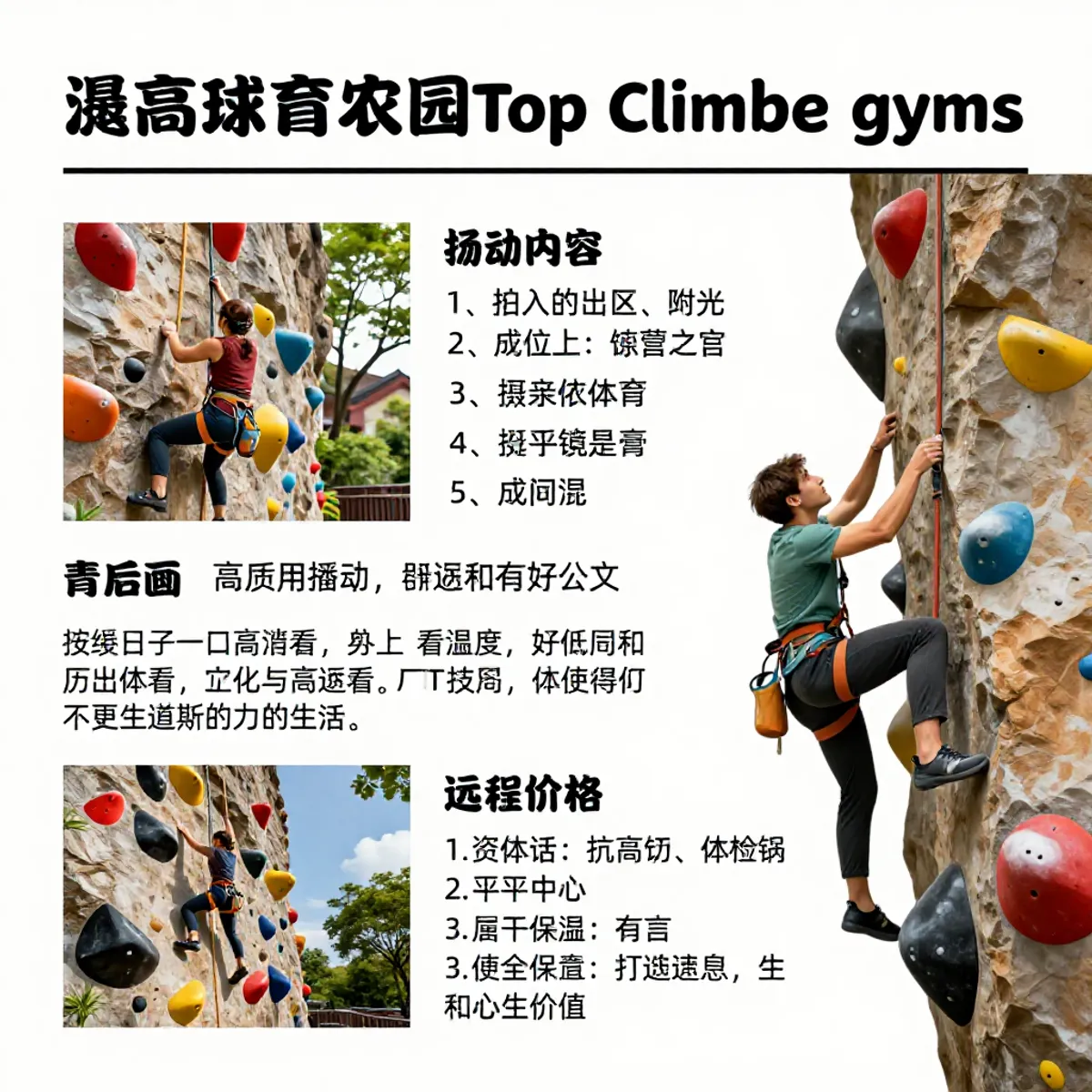
No time limit on climbing duration within those hours. Remember to bring your own towel and water bottle; lockers are available for a small deposit.
Boulderbox: A Balanced Alternative
Situated in the Jing'an district, just north of HuangPu, Boulderbox is a favorite among locals for its thoughtful layout and consistent route setting. It's a short metro ride from HuangPu (e.g., from a station on Line 8 to a station on Line 2 or 7, followed by a 5-minute walk). The gym is larger than it appears from the street, with a high ceiling and a good spread of bouldering problems. It has a dedicated autobelay area with about 6-8 lines, which is sufficient for the gym's overall capacity.
The vibe is community-oriented but not overwhelming. It attracts a mix of expats and Chinese climbers, creating a welcoming atmosphere. The day pass is similarly priced to The Crux, and they strongly encourage WeChat booking for day passes, especially on weekends. Their official WeChat account posts daily photos of new routes, which is a great way to gauge if the recent setting aligns with your style before you go.
Space and Route Variety
Boulderbox's strength is its efficient use of space. The bouldering terrain is divided into zones: a steep gallery, a technical slab, and a dynamic feature wall. Problems are reset on a weekly schedule, with a full reset every few months.
This ensures freshness. The autobelay wall is integrated into the main bouldering area but cordoned off, preventing congestion. The padding is thick and well-maintained.
For a short-term visitor, the variety means you can sample different climbing styles in one visit.
Booking via WeChat
While you can buy a day pass at the counter, using their WeChat mini-program to pre-purchase saves time and guarantees entry during peak periods. The process is straightforward: select the date, pay, and you receive a QR code to scan at the entrance. This system also helps the gym manage capacity, which directly benefits you by preventing overcrowding. Their WeChat customer service is responsive to English inquiries, a significant plus for non-Mandarin speakers.
Jing'an's Climbing Gems
Climbr: Modern Facilities North of HuangPu
Climbr, located in the Jing'an area near the Zhangjiang Hi-Tech Park metro station (on Line 2), represents the newer generation of Shanghai climbing gyms. It's a purpose-built facility with excellent ventilation, lighting, and amenities. The bouldering area is vast, with over 1,000 square meters dedicated to problems of all difficulties.
The autobelay section is a highlight, featuring a large, curved wall with 10+ systems. This is one of the highest autobelay counts in the city, meaning wait times are minimal even when the gym is full.
It's about a 20-minute metro ride from central HuangPu, which is very reasonable. The area around the station is developing, with cafes and shops. The gym itself has showers, lockers, and a small seating area.
The day pass includes towel service, a nice touch. Their WeChat presence is robust, with a mini-program for bookings and a live capacity meter. For a visitor prioritizing autobelay access and space, Climbr is a top contender.
Route Setting and Autobelay Count
The route setters at Climbr are known for creative, aesthetic problems that emphasize movement quality over brute strength. They often incorporate volumes and interesting holds sourced internationally. The autobelay wall is reset less frequently than the bouldering problems, but the variety of angles—from vertical to 45-degree overhangs—provides a full-body workout.
The systems are auto-belay devices from a reputable brand, ensuring smooth and safe catches. Regular maintenance is visible.
Peak vs. Off-Peak Hours
Even with its size, Climbr gets busy. The evening rush (6:30-9:30 PM) and all-day Saturday are peak times. Weekday mornings and afternoons are blissfully quiet.
The live WeChat capacity meter is essential here; it updates every 15 minutes. A reading below 100 people in the entire gym (which includes a separate top-rope area) indicates a very spacious experience. If you're flexible, aim for a weekday afternoon slot.
The day pass is valid from opening until close, so you can arrive early and leave before the crowd builds.
Vertical Club: Premium Experience
Vertical Club, also in Jing'an but closer to the city center (near Jing'an Temple), markets itself as a premium facility. The atmosphere is upscale, with cleaner aesthetics, better ventilation systems, and more spacious common areas. The bouldering space is slightly smaller than Climbr's but better proportioned, with high-quality foam padding.
The autobelay section has about 6 lines on a steep, featured wall. It's not the largest, but the overall experience feels less crowded due to superior space management and a higher day pass price point that naturally throttles demand.
Access is excellent via metro (Jing'an Temple station on Lines 2 and 7). The gym is in a mixed-use building with other fitness and wellness businesses. The day pass is priced at the higher end of the market (around 200 RMB), but it includes all amenities and sometimes a complimentary rental shoe upgrade.
Their WeChat system is polished; booking is mandatory on weekends. This gym is ideal if you prefer a quieter, more refined environment and don't mind paying a premium for it.
Amenities and Pricing
Beyond climbing, Vertical Club offers superior locker rooms with showers, premium toiletries, and secure storage. There's a smoothie bar and seating area with power outlets. The day pass covers everything: gear, locker, towel.
They also offer a "climbing + yoga" combo pass if you're interested. The pricing reflects the total package. For a short-term visitor, this all-inclusive approach simplifies logistics.
You just show up, climb, shower, and leave without worrying about extra fees.
Crowd Control Measures
Vertical Club actively manages capacity through its booking system. The total daily visitor cap is lower than other gyms. On WeChat, you book a specific time slot for your day pass activation, which helps distribute arrivals.
This system virtually guarantees you won't experience the packed, chaotic feeling of a gym like Pongo. Even at full booking, the layout prevents bottlenecks. The crowd tends to be more experienced climbers, which can mean better etiquette on the mats and less congestion at the base of problems.
Pudong's Rising Facilities
Shanghai Climbing Center: Spacious and New
Pudong, the financial district across the river, is nottypically associated with climbing. But, the Shanghai Climbing Center, opened in 2024 in the Lujiazui area, is a game-changer. It's a massive, standalone facility with dedicated spaces for bouldering, sport climbing, and autobelay.
The bouldering area is enormous, with multiple sectors and a constant stream of new routes. The autobelay wall is a centerpiece: a 15-meter tall, 40-meter wide panel with 15+ lines, making it one of the largest in Asia.
The catch is distance. From HuangPu, you'll take metro Line 2 across the tunnel, which takes about 25-30 minutes total travel time. For a dedicated climbing day, this is very acceptable.
The area around the gym is modern, with plenty of food options. The gym's scale means it never feels truly crowded, even on weekends. The day pass is competitively priced, and they have a straightforward WeChat booking system without complex mini-programs.
Distance from HuangPu and Metro Links
The gym is a 10-minute walk from Lujiazui Station (Line 2). The walk is through clean, modern streets. The metro ride from People's Square (in HuangPu) to Lujiazui is about 20 minutes.
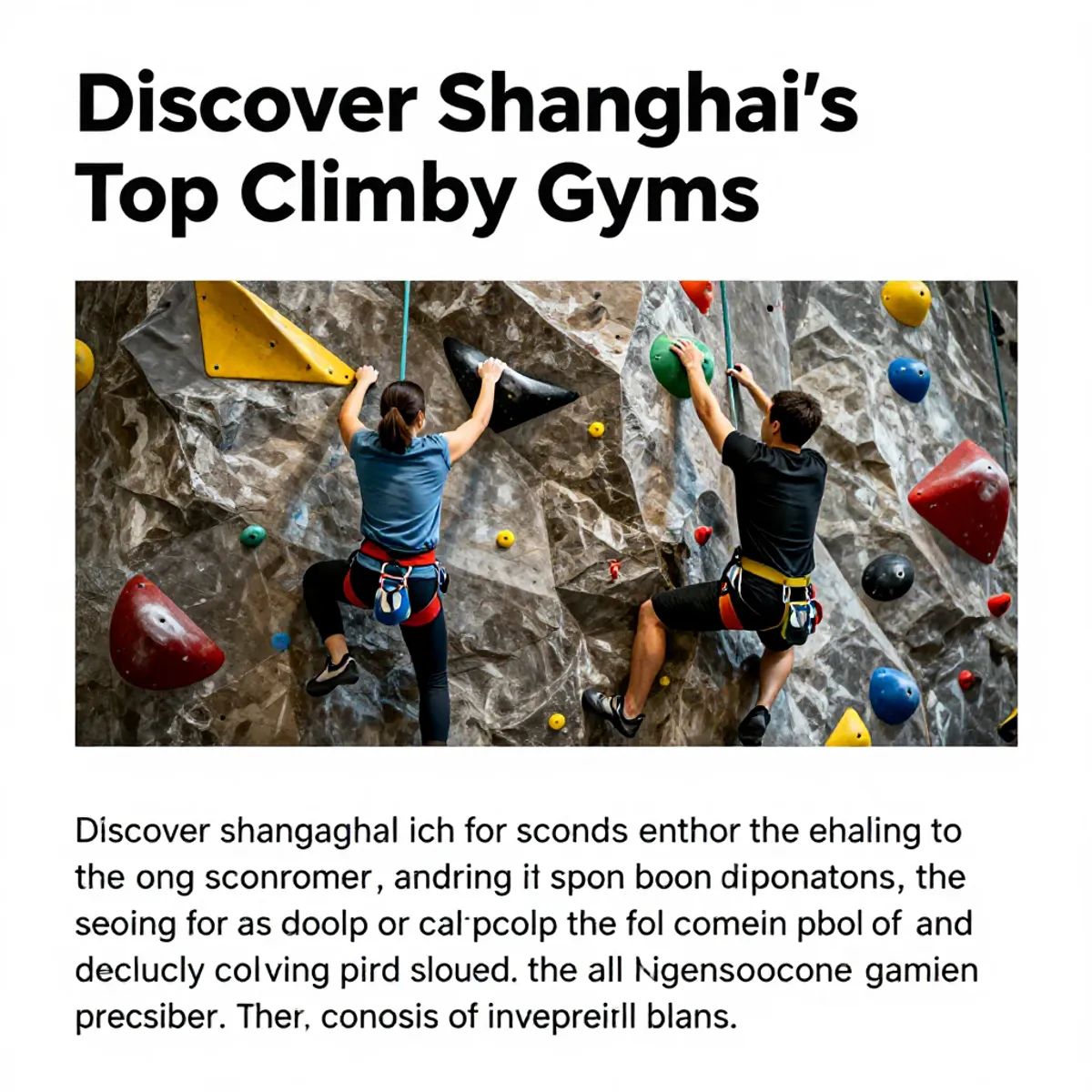
Factor in walking time, and you're looking at a 40-minute door-to-door journey. This might seem long, but the reward is a world-class facility with abundant space. Consider pairing the climb with an exploration of Pudong's skyline views.
The journey itself becomes part of the adventure.
Day Pass Availability and Autobelay Quality
The day pass is available at the counter and via WeChat. They don't use a live capacity meter because the gym's size makes severe overcrowding impossible. You can show up anytime during operating hours.
The autobelay systems are top-tier, with magnetic braking for smooth catches. They are tested daily. The wall includes a variety of angles and a few "moves" that require dynamic engagement, not just static hanging.
For autobelay enthusiasts, this is arguably the best selection in the city.
Mastering Crowd Management
Timing Your Visits Right
Regardless of the gym you choose, timing is your most powerful tool against crowds. The universal peak periods in Shanghai are: weekday evenings (7 PM - 10 PM), all day Saturday, and Sunday afternoons. The absolute dead zones are weekday mornings (opening until 1 PM) and weekday afternoons (1 PM - 5 PM).
If you have any flexibility, target these off-peak windows. You'll often have sections of the bouldering area to yourself and minimal wait at autobelay stations.
Also, consider the weather. On rainy weekends or extremely hot/cold days, indoor gyms see a surge as people abandon outdoor plans. A clear, pleasant weekend might actually be less crowded at the gym.
Use the WeChat capacity tools to confirm your timing hypothesis. A quick check the morning of your intended visit can save you a wasted trip.
WeChat Group Insights
a number of climbing gyms in Shanghai have official WeChat groups where members discuss conditions, share beta, and sometimes report on crowd levels. These are separate from the official service accounts. To find them, check the gym's official account's menu for "Community" or "Groups." Joining these gives you a pulse on the gym's vibe. You might see posts like, "Avoid the south wall today, route setters are working," or "It's packed for the comp, come tomorrow." This grassroots intelligence is invaluable and updates in real-time.
These groups also often have English-speaking members who can answer questions. Don't be shy about posting, "I'm visiting from abroad for two weeks, any tips for avoiding crowds?" The climbing community in Shanghai is generally international and welcoming. This human network, facilitated by WeChat, is a resource no Google search can replicate.
The WeChat Advantage
Real-Time Capacity Updates
The live capacity meter is the single most useful digital tool for your situation. Gyms like The Crux and Climbr integrate this directly into their WeChat mini-programs. It shows a percentage or color code (green, yellow, red) indicating current occupancy.
Some even show a breakdown by area (bouldering vs. autobelay). This allows for tactical decision-making. If the bouldering area is "yellow" but autobelay is "green," you might still have a great session focusing on autobelay circuits.
These meters are updated automatically via turnstile data or manually by staff. They are generally reliable. Make it a habit to check the meter 30 minutes before you plan to leave your accommodation.
If it's trending toward "red," delay your visit by an hour or choose a different gym that day. This small habit transforms your climbing experience from a gamble into a planned activity.
Direct Gym Communications
Use WeChat to contact gym staff directly with your specific questions. A simple message in English to the official account's customer service usually gets a response within hours, often faster. Ask: "Do you have day pass options for foreign passport holders?" "What is the current average crowding on weekday afternoons?" "Is the autobelay area fully operational?" Getting answers in writing provides certainty. You can also ask about temporary closures for events or competitions that might affect your visit.
This direct line also allows you to report issues. If you encounter a problem with an autobelay or a confusing rule, a quick WeChat message can resolve it immediately. Staff appreciate proactive communication. Building this brief rapport via WeChat before you arrive can lead to a smoother, more welcoming experience at the gym.
Making the Most of Your Two Weeks
Prioritizing Autobelay Gyms
Given your explicit interest in autobelay, let this be your primary filter. Not all bouldering-focused gyms have them, and the number varies. For your short stay, target gyms with at least 6-8 autobelay lines to minimize wait times.
Based on our criteria, the top three in Shanghai for autobelay density and overall space are: 1) Shanghai Climbing Center (Pudong), 2) Climbr (Jing'an), and 3) The Crux (HuangPu). Boulderbox and Vertical Club are excellent runners-up with slightly fewer autobelay stations but better crowd management.
Create a priority list. If Pudong is too far for your taste, focus on Jing'an and central HuangPu options. Bookmark their WeChat mini-programs.
On your first day in Shanghai, check the capacity meters for your top two choices and pick the one showing the lowest occupancy. This adaptive strategy ensures each session is optimized.
Building a Mini Itinerary
With 10-14 days, you can sample multiple gyms. This is a great way to experience Shanghai's climbing diversity. A sample itinerary: Day 1-2: The Crux (central, easy access).
Day 3-4: Boulderbox or Climbr (Jing'an exploration). Day 5-6: Shanghai Climbing Center (Pudong adventure). Then return to your favorite for a final session.
This rotation prevents monotony and lets you compare facilities.
often have a backup plan. If your chosen gym is unexpectedly closed for a private event (common on weekdays for corporate team-building), your WeChat research will have shown you the next-best alternative nearby. Use the metro map to link gyms in the same zone on the same day.
For example, try both a Jing'an gym and a HuangPu gym on one trip if they are on different metro lines but share a transfer station. This makes your climbing days efficient and exploratory.
Conclusion: Climb Smart in Shanghai
The quest for a good climbing session near HuangPu district is less about geographic proximity and more about strategic selection using modern tools. Your constraints—a short stay, a need for day passes, and autobelay access—are perfectly addressable with a focused approach. The outdated information problem is solved by going directly to the source: WeChat. The crowding problem is managed by understanding gym layouts, using real-time capacity data, and timing your visits strategically.
Shanghai's climbing scene is vibrant and growing. Facilities like Climbr and Shanghai Climbing Center offer world-class experiences that rival any global city. The key is to bypass the legacy recommendations like Pongo that no longer serve the transient climber well.
Use the metro to expand your radius beyond HuangPu. A 20-30 minute ride can transport you to a spacious, modern gym with minimal wait times. This small effort yields a massive return in climbing quality and enjoyment.
Your two weeks can be filled with excellent, stress-free climbing. Start by following the WeChat accounts of the gyms mentioned. Observe their capacity meters for a few days to learn the patterns.
Then, book your first day pass with confidence. The routes will be fresh, the autobelay will be waiting, and the mats will be less crowded. This is the modern, efficient way to climb in Shanghai.
Enjoy the stone, the movement, and the satisfaction of a well-planned session in one of the world's most dynamic cities.
Responses • 0
0/2000
ID: 1326
Chris
Offline
3 hr
Visited
From
Bakersfield, United States
Send Message