HSK1---6
Preface
Since 2009 when Hanban introduced the New Chinese Proficiency Test (HSK), there has been a rapidincrease in the number of HSK candidates as the number of Chinese learners keeps growing. The globalnumber of HSK candidates reached 310,000 in 2012, and the number in the first quarter of 2013 alone wasaround 70,000. With International Chinese Education gaining more strength as an academic discipline andmore Confucius Institutes being established in the world, the number of HSK candidates will be even largerin the future.How to guide such a huge group to learn Chinese effectively and how to help them improvetheir Chinese language skills in all aspects and achieve good results in the HSK test are the questions we'vealways been thinking about and studying on. We believe that compiling a series of course books based onthe Chinese Proficiency 'Test Syllabus which“combines testing and teaching" and“"promotes teaching andlearning by testing" could be a solution. Under the guidance of the Chinese Tests Center of Hanban andBeijing Language and Culture University Press,we developed HSK Standard Course (hereinafter referred toas Course), a series of new type of course books combining testing and teaching,based on years' experienceof Chinese teaching and rescarch on HSK.
l . Concepts of Compilation
In the 21st century, the idea of second language teaching has entered a post-methodological age, inwhich it is people-oriented, emphasizing group study and cooperation,embracing the communicative, task-based and theme-based approaches and aiming at developing learners'integrated language skills.Under theguidance of these concepts, the compilation of the Course has displayed the following features:
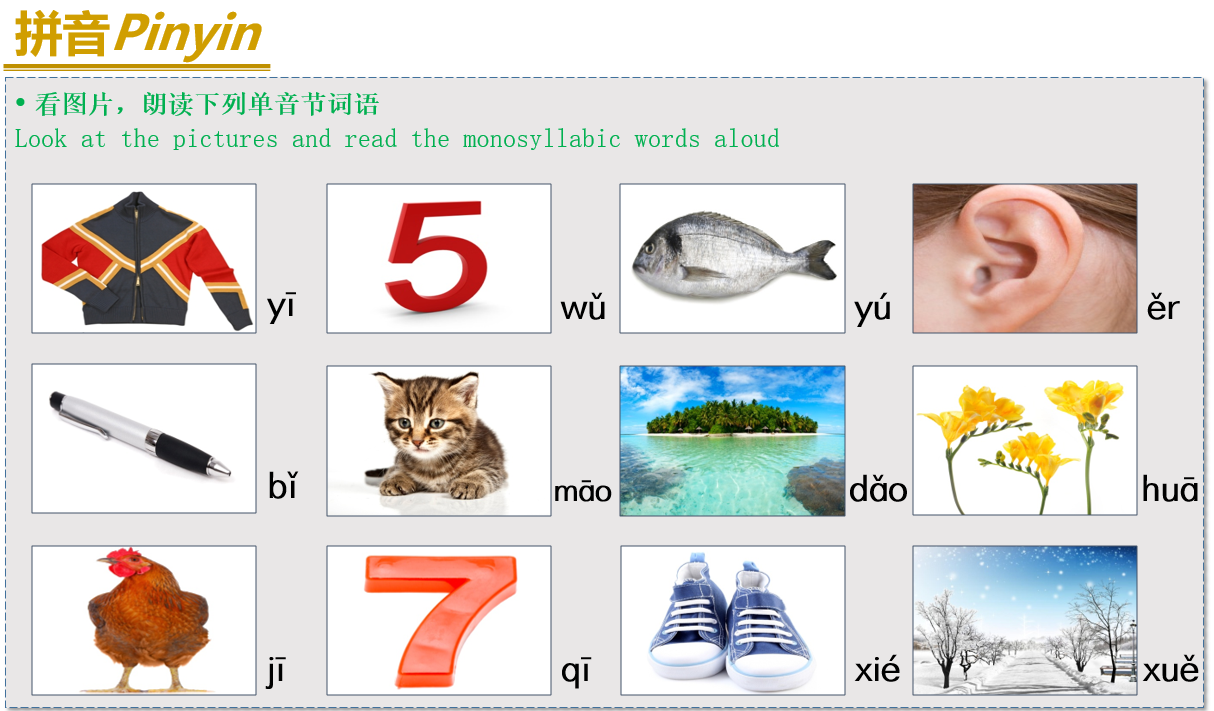
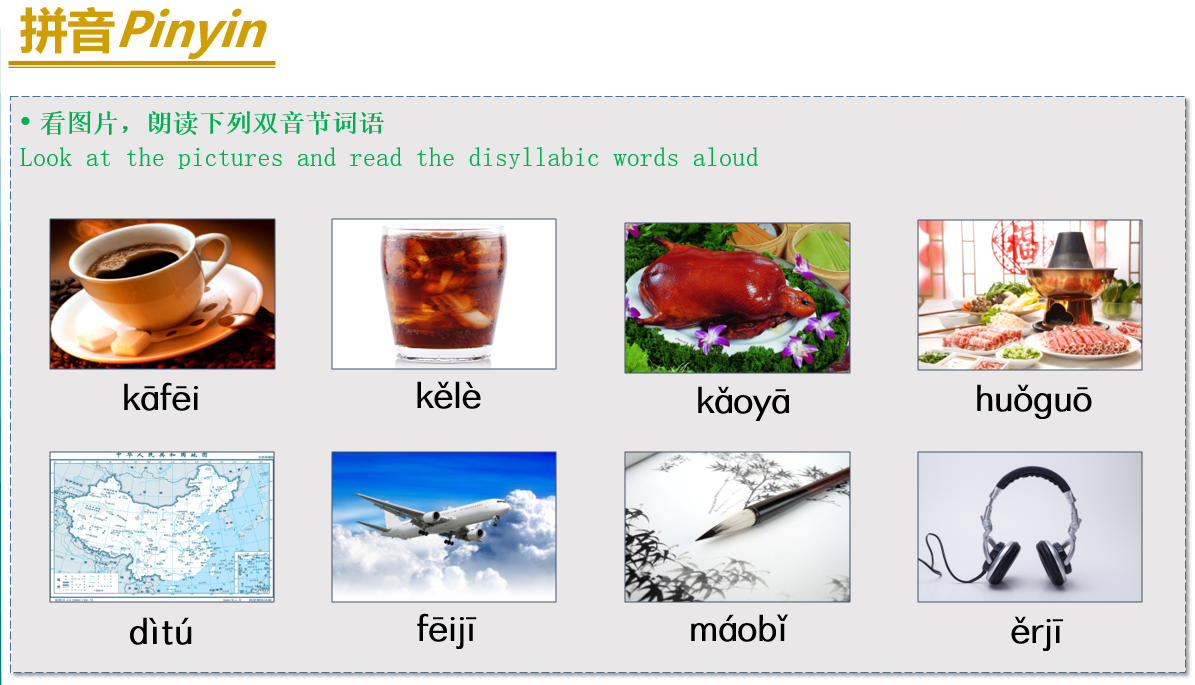
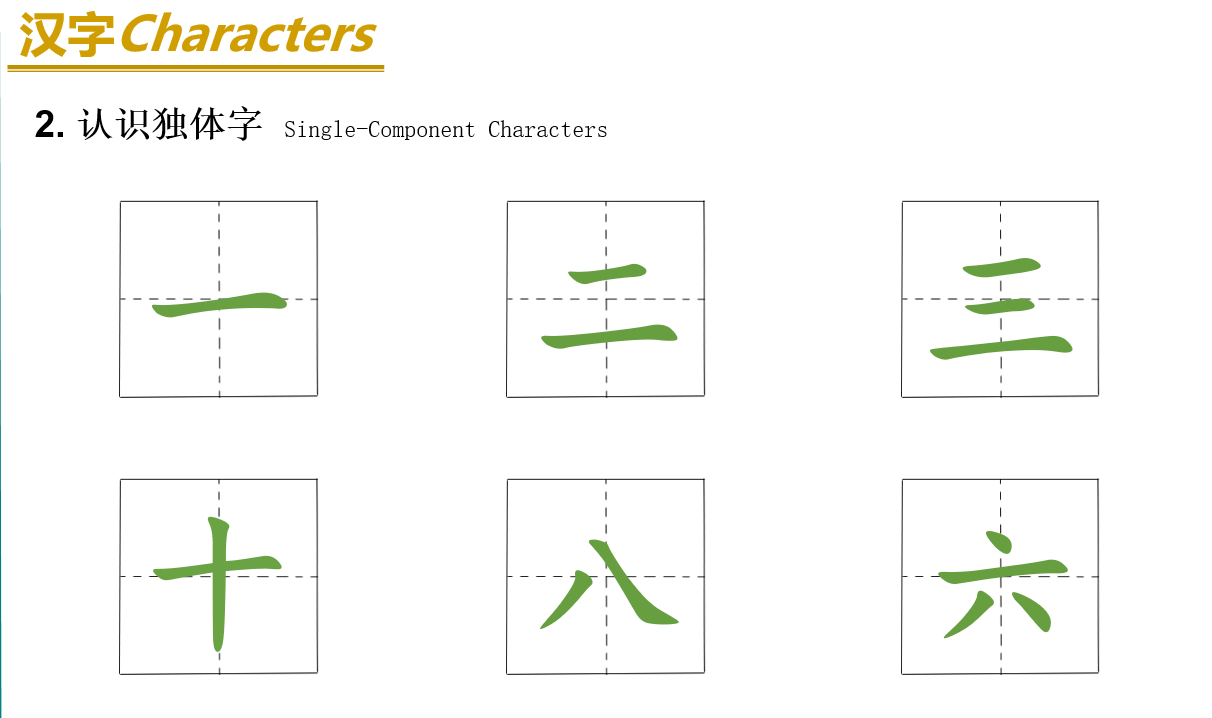
1.Students-Centered, and Stressing the Development of Students' Integrated Language SkillsThe premise of the concept "combination of testing and teaching" is to serve students’needs for takingthe test, but it is not merely about test-taking.Our concern is how to improve students' language skills underthe premise of serving their needs for taking the test, which is also one of the distinctive features of thisserics.Take HSK Level l and Level 2 tests for instance.Though tests at Levels 1-2 have only listening andreading parts,not involving speaking and writing, we've still provided pertinent materials and exercises forChinese pronunciation and characters in the course books at these levels.Besides, absorbing the strengths ofthe aural-oral and cognitive approaches, the texts are mainly made up of “situations + dialogues + pictures"which cultivate students’listening and speaking skills, and the workbooks focus on training students"listening, reading and writing skills so as to improve their integrated language ability.
2.Integrating the Essential Ideas of the Communicative Approach and Task-Based LanguageTeaching
The communicative approach stresses the appropriateness in language use and the role of context, whiletask-based language teaching emphasizes the authenticity of language and the acquisition of language throughtasks.Both approaches attach much importance to the authenticity of language, the design of situations aswell as the development of language skills in communication.HSK is not an achievement test based on anytextbook; it is a proficiency test assessing learners’language abilities, designed on the basis of the Chinese
Proficiency Test Syllabus. Bearing this in mind, we are aware that the Course cannot be written in the same wayas the existing textbooks which require students to do repeated practice and drills on language points rather thancovering every aspect that may be tested. Therefore, while ensuring the words and grammar points used arewithin the Syllabus, we employ different situations to give students a direct sense of how language is used inreal life and help them learn and acquire the language through imitation and personal experiences.
3.Reflecting the Concept of Theme-Based Teaching
Theme-based teaching is a language teaching activity focusing on the content and the connotation ofthe text. It emphasizes the diversity and richness of content.Generally, after a theme is chosen, studentswill be exposed to materials related to various aspects of the theme, in which way their internalization andunderstanding of the new content is accelerated; by further probing into the theme, students'creativitymay be developed. To relate to students’reality and broaden their horizon, starting in Book 4, the Courseuses themes as leads, each theme divided into smaller themes. The themes are interrelated with each other,forming an organic network of knowledge that will stay firmly in students’memory.
l . Features of the Course
1.Written Level by Level with the Syllabus as Its Basis
The HSK test is made up of six levels.The authors of the Course have done a thorough study of theSyllabus and the question designing guidebook and made a statistical analysis of plenty of past tests as well.Based on the result of our study and analysis,we've summed up the focuses, difficulties, language points,topics, functions and situations etc. for each book, while sticking to the vocabulary required in the Syllabus,systematically defined the scope and class hours for each level.The specifics are as follows:
Volume
Objective
Vocabulary
Class Hours
Book l
HSK(Level 1)
150
30-34
Book 2
HSK (Level 2)
300
30-36
Book 3
HSK(Level 3)
600
35-40
Book 4 (Volumes 1 & 2)
HSK (Level 4)
1,200
75-80
Book 5 (Volumes 1 & 2)
HSK (Level 5)
2,500
170-180
Book 6 (Volumes 1 & 2)
HSK (Level 6)
5,000 and above
170-180
Total: 9 volumes
Above 5,000
510-550
The design observes the idea of International Chinese Education, with attention paid to the generalapplicability and practical use of the course books. Educational institutions in China and outside can decidethe time span for cach book referring to the number of class hours suggested above. For example, it issuggested Book 1 be finished in 34 class hours, so it will take one month with eight class hours devoted to itper week or two months with four class hours per week, etc. Generally speaking, students can pass Level 1test after finishing Book 1 and Level 2 test after finishing Book 2, so on and so forth.
2.Each Textbook Supported by a Workbook of Exercises Matching the HSK Test
In order to familiarize learners with the question types of HSK, the workbooks at all levels provide theexact same types of exercises, arranged in the same order and structure also, with the content focused on thespecific lesson.In this way, learners will get familiar with HSK by using the course books alone rather thanspending extra time in trying to get used to the form of the test.
- The test book is like this:
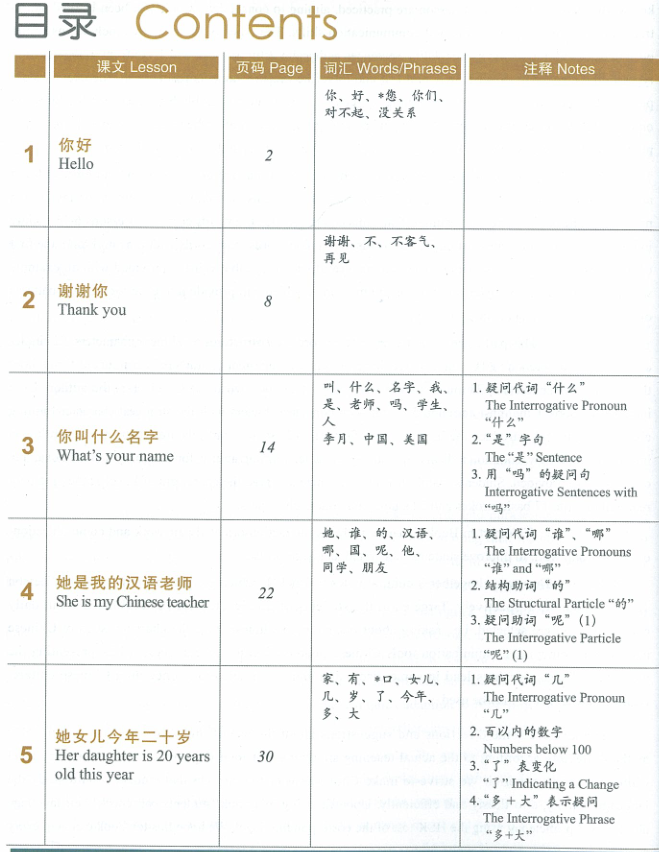
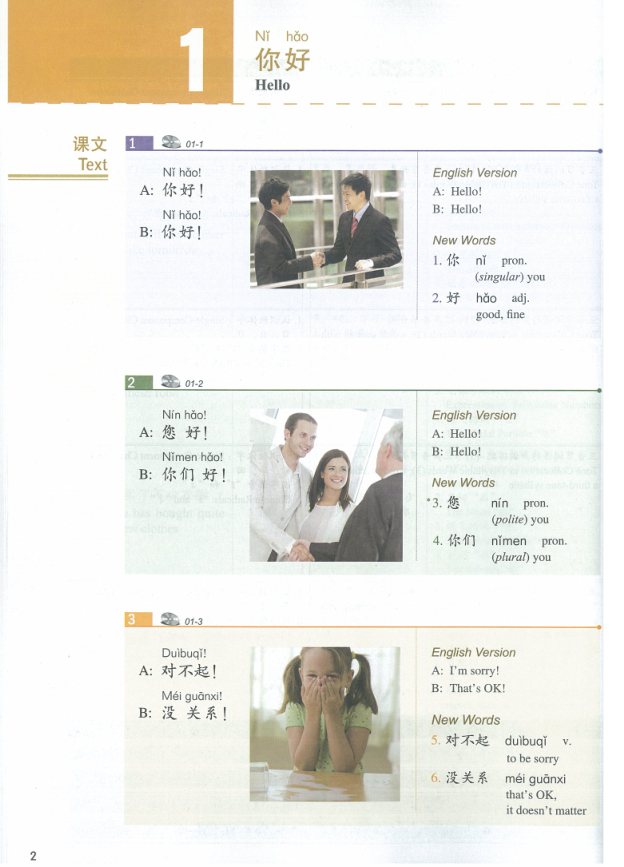
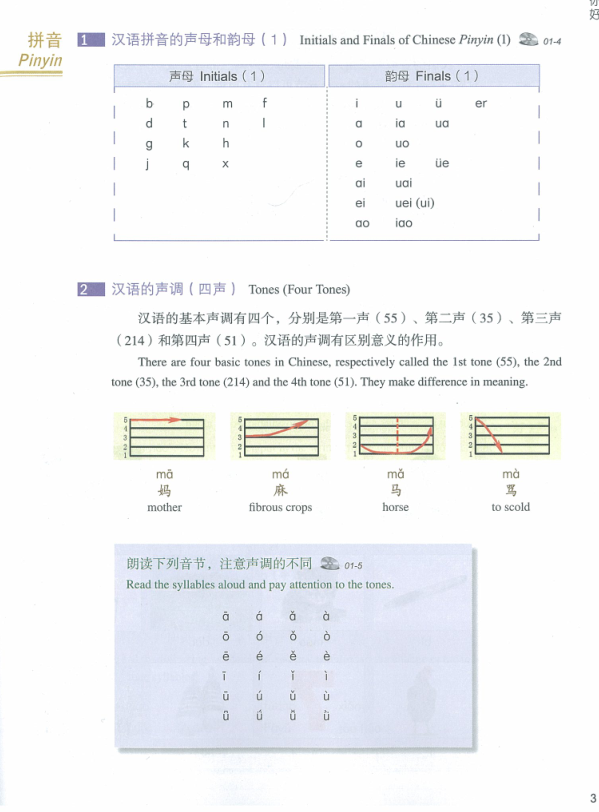
2. My lesson is like this :
60 min
15
USD
Speaking
English
Chinese
Teaching
HSK
Speaking Chinese
Written Chinese
Chinese Grammar
Travel Chinese
Chinese Culture
Sports Chinese
Comprehensive Chinese
Children Chinese
Teaching Chinese
TV Chinese
BCT
TSC
News Chinese
Business Chinese
Medical Chinese