China Parcel Returns: Customs Decoded
AI Learn Chinese
4 hr • 0 read
Solve customs declaration issues for parcels returned to China. Learn who files supplementary docs and what info your forwarding warehouse needs.
Introduction: The Return Hiccup
Picture this: you’ve carefully packaged several items in Ukraine, shipping them back to the original seller in China, only to check the tracking and see a puzzling update. “Recipient must submit customs declaration documents through the China Customs online declaration system.” Your recipient? A forwarding warehouse in Shenzhen, acting as your mailbox. But you, as an individual sender, lack a Chinese ID or access to that platform. Suddenly, your return feels stuck in limbo. This scenario is far from rare. In 2026, with cross-border e-commerce exploding—think platforms like Pinduoduo and global marketplaces—returns are surging. Navigating China’s customs maze for returned goods is a common headache, but it’s solvable with the right know-how. Let’s break down who handles those declarations, what supplementary information is needed, and how to get your parcel moving again.
The Surge in Cross-Border Returns to China
China’s import and export volumes have been staggering. In 2025, the General Administration of Customs reported over 2 billion cross-border parcels, a 20% jump from 2024. A significant chunk of these are returns—buyers sending back unwanted, defective, or incorrect items. Ukraine, while not a top e-commerce source, contributes to this flow, especially for niche goods like handmade crafts or specialized electronics. For instance, a Ukrainian artisan selling via international platforms might have items returned from Chinese buyers, or vice versa. The rise of “try-before-you-buy” models and global supply chains means more parcels are crossing borders in reverse. But while outbound shipping is straightforward, inbound returns hit a wall: China Customs treats them as imports, requiring formal clearance. This isn’t just bureaucracy; it’s about revenue protection, safety checks, and trade compliance. So, when your parcel lands in China, it doesn’t automatically go to the seller—it queues for inspection, and that’s where the declaration demand comes in.
China Customs 101: What They Want from Your Parcel
China Customs operates under strict regulations to monitor what enters the country. For any commercial shipment, including returns, they need accurate data: what the item is, its value, origin, and purpose. The online declaration system—accessed via the China Customs website or integrated logistics platforms—is the gateway. It requires a Unified Social Credit Code for businesses or personal ID for individuals. Most individuals don’t have these, so they rely on agents. The system flags parcels for various reasons: high value, restricted goods (like electronics with batteries), or inconsistencies in the shipping manifest. A “Supplementary Declaration Required” notice means the initial paperwork was insufficient. Perhaps the sender declared it as a “gift,” but the contents look commercial, or the value seems understated. Supplementary declarations are deeper dives—they ask for invoices, contracts, or proof of return authorization. It’s China Customs’ way to prevent undervaluation, smuggling, or fraud. In 2026, they’ve ramped up checks on e-commerce returns due to rising complaints about misdeclared goods.
Who’s Actually Responsible? Unpacking the Roles
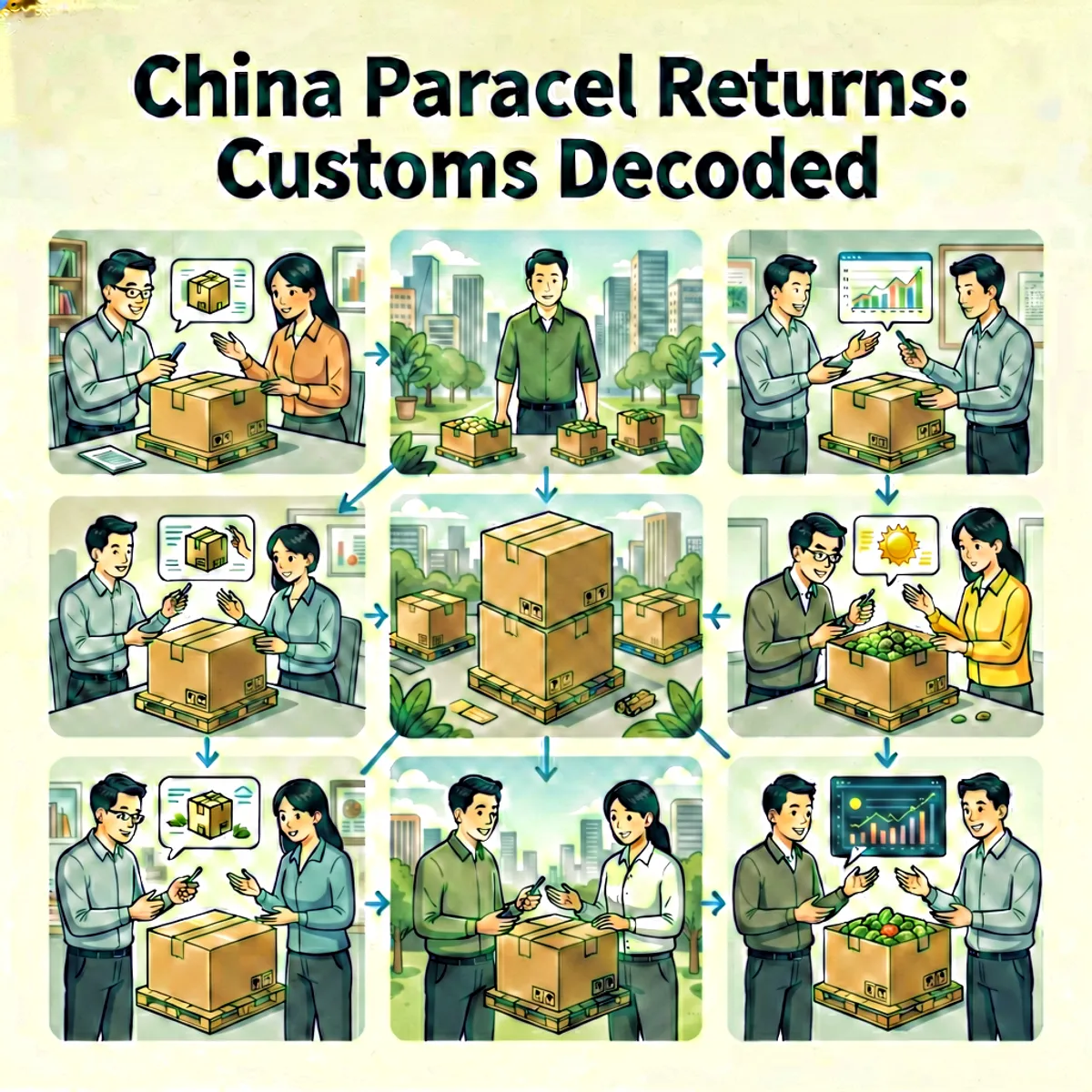
This is the crux: who submits the declaration? Legally, the recipient—the entity listed on the waybill—is liable. But in practice, responsibility often shifts based on agreements. If your parcel is addressed to a forwarding warehouse, they are the official recipient. But, as a sender, you initiated the return, so you must provide accurate info. The seller/manufacturer in China might also be involved if they’re the final consignee, but often they use warehouses as intermediaries. Here’s the breakdown: - Sender (You from Ukraine): You’re responsible for truthful declarations on the outbound side. If you mislabel the parcel, it triggers issues later. You must supply documents like invoices or return proofs when asked. - Forwarding Warehouse (Recipient in China): They act as your agent. They have a Chinese business license, so they can access the declaration system. But they need your data to file correctly. If they submit a supplementary declaration, they’re doing it on your behalf, using their credentials. - Seller/Manufacturer: If the warehouse is just a transit point and the goods go directly to the seller, the seller might handle final clearance. But in your case, with the warehouse as the endpoint, they likely bear the filing duty. In my experience, the warehouse will handle the submission if they offer clearance services. But they’ll ask you for supplementary info first. Don’t assume they’ll pay duties; costs often fall back to the sender unless pre-negotiated.
The Forwarding Warehouse: Your China-Based Proxy
Forwarding warehouses in cities like Shenzhen, Guangzhou, or Shanghai are more than storage units. They’re logistics hubs that consolidate parcels, handle customs, and forward locally. For international returns, they’re lifesavers. But their service models vary. Some include basic customs clearance in their fee; others charge extra for supplementary declarations. When you ship from Ukraine, you typically choose a warehouse that provides a Chinese address. They receive the parcel, scan it into their system, and notify you. If China Customs flags it, they’ll message you: “Supplementary declaration needed.” At that point, they become your advocate. They’ll request specific documents via email or app. Why do they do this? Because without proper filing, the parcel sits in a bonded warehouse, accruing storage fees, or gets seized. They have skin in the game—their reputation and your business depend on smooth clearance. In 2026, many warehouses use digital platforms that integrate with China Customs, speeding up submissions if you provide clean docs.
Supplementary Declarations: The “Why” Behind the Notice
A supplementary declaration isn’t a red flag; it’s a routine request for more detail. Common triggers include: - Value Discrepancy: You declared the item at $50, but China Customs estimates it at $100 based on market data. - Product Classification: HS codes (customs codes) are missing or wrong. For example, returning a smartwatch might need code 9025.80.00 for “other instruments.” - Return Reason Ambiguity: Saying “return” isn’t enough; customs wants to know if it’s defective, unwanted, or for repair. - Prohibited/Restricted Goods: Items like lithium batteries or cosmetics require extra permits. In your case, with items from Ukraine to China, the warehouse might need proof that this is a legitimate return, not a disguised sale. That’s where the seller’s involvement comes in. If you have a return authorization from the manufacturer, that’s gold. Without it, customs may suspect you’re importing used goods for resale without duties. Supplementary declarations ask for: original invoices, photos of items, packing lists, and sometimes the seller’s business license copy. It’s all about creating a paper trail that aligns with China’s import rules.
Practical Steps: What Info Does the Warehouse Need?
So, you’ve got the supplementary declaration request. What do you do? First, don’t panic. Forwarding warehouses are used to this. Based on industry practices in 2026, here’s what they typically need from you: 1. Proof of Purchase: A clear scan of the original invoice or order confirmation from the seller. If bought on Pinduoduo or Taobao, include the order number and seller details. 2. Return Authorization: An email or letter from the seller/manufacturer approving the return. It should state the reason (e.g., “defective product”) and reference your order. 3. Detailed Packing List: Itemize each product with descriptions, quantities, and estimated values in USD or CNY. Include HS codes if you know them; the warehouse can help look them up. 4. Your Sender Details: Full name, address in Ukraine, and contact info. Sometimes they need your passport copy for identity verification, though not always for declaration. 5. Recipient Details: The warehouse’s own name and address as the consignee, but confirm they’ve provided correct info to China Customs. 6. Shipping Documents: A copy of the air waybill or tracking number showing the parcel’s journey from Ukraine to China. 7. Additional Justification: If returning for repair, include a repair note; if defective, photos of the issue. In my own return from Ukraine last year, I emailed a PDF with my Pinduoduo order screenshot, a seller’s approval email, and a handwritten note explaining the return reason. The warehouse in Shenzhen filed it under their business license, and within 48 hours, the status changed to “cleared.” They charged a small fee (about $10) for the service, which was worth it.
Common Pitfalls and How to Avoid Them
a number of senders stumble here. Avoid these mistakes: - Undervaluing Items: Declaring low value to dodge duties backfires. China Customs has valuation databases. often use the actual purchase price. - Missing HS Codes: Without proper classification, declarations get rejected. Use online HS code finders or ask the warehouse for common codes for your product type. - No Return Proof: If you can’t show the seller authorized the return, customs may treat it as a commercial import, demanding full duties and taxes. - Ignoring Deadlines: Supplementary declarations often have time limits (e.g., 30 days from arrival). Delays mean storage fees or return to sender. - Using the Wrong Warehouse: Not all warehouses offer declaration services. Confirm before shipping. Some specialize in personal effects, not commercial returns. - Assuming Insurance Covers It: Shipping insurance might cover loss, but not customs clearance issues. Clarify responsibilities upfront. A friend once returned electronics from Kyiv without an invoice. The warehouse had to pay estimated duties, which he reimbursed, adding 30% to his costs. Lesson: document everything.
Pro Tips for Future Returns to China
Plan ahead to smooth the process: - Pre-Shipment Consultation: Before sending from Ukraine, contact your Chinese warehouse. Ask: “Do you handle supplementary declarations? What docs do you need for returns?” Get their checklist. - Use Return-Authorization Labels: If the seller provides a pre-paid return label with customs info pre-filled, use it. It reduces errors. - Choose Full-Service Carriers: Services like DHL or FedEx offer customs brokerage. They’ll handle declarations but charge higher fees. For high-value items, it’s worth it. - Digital Documentation: Keep all records—emails, PDFs, photos—in a cloud folder. Share links with the warehouse for quick access. - Understand Duty Implications: Returns might still incur duties if the items are new or for resale. Check China’s duty rates for your product category. For personal used items, exemptions exist but are tricky to prove. - Leverage E-commerce Platforms: Sellers on platforms like Alibaba often have preferred warehouses. Ask them to recommend one that handles returns smoothly. - Stay Updated: China Customs policies evolve. In 2026, they’re piloting AI-driven declaration systems, but human review for supplements remains. Check the official China Customs website or subscribe to logistics newsletters. - Build a Relationship: If you return often, stick with one reliable warehouse. They’ll learn your patterns and may pre-empt issues.
Real-World Example: A Ukrainian Return Story
Let’s walk through a hypothetical but typical case. Maria in Kyiv buys a kitchen appliance from a Shenzhen seller via an international platform. It arrives damaged. She contacts the seller, who approves a return and emails a return authorization. Maria packs the item, attaches the authorization, and ships via a carrier that uses a Shenzhen forwarding warehouse as the recipient. The parcel lands in China, and tracking updates: “Supplementary Declaration Required.” The warehouse emails Maria: “Please provide original invoice, seller’s return approval, and a photo of the damaged item.” Maria sends scanned docs. The warehouse files a supplementary declaration under their license, citing the return reason and attaching proofs. China Customs reviews, accepts it, and releases the parcel to the seller. Total time: 5 days. Cost: $15 warehouse fee. No duties since it’s a defective return. This is the ideal flow. Without the seller’s approval, customs might have held it for duty assessment, costing Maria hundreds.
Conclusion: Confidence in the Customs Dance
Returning parcels to China from Ukraine or elsewhere doesn’t have to be a maze. The key is knowing who does what. The forwarding warehouse, as your local recipient, typically submits the supplementary declaration using their business credentials. But they need your cooperation: accurate purchase proofs, return authorizations, and clear item details. Think of it as a team effort—you provide the story, they file the paperwork. In 2026, with digital tools, this process is faster than ever, but diligence remains. often confirm your warehouse’s capabilities before shipping, keep impeccable records, and respond promptly to requests. By doing so, you turn a customs hiccup into a smooth transaction. So, next time that “supplementary declaration” alert pops up, take a breath, gather your docs, and work with your warehouse. Your parcel’s journey home is almost complete. Happy returning!
Responses • 0
0/2000
ID: 1326
Chris
Online
From
Bakersfield, United States
Send Message