Bund Apartment: Historic Charm in Heart of Shanghai
China Travel
7 hr • 0 read
90 sqm historic Bund apartment with soaring ceilings, natural light, amazing landlord. 15,000 RMB/month. Genuine character in prime Shanghai location.
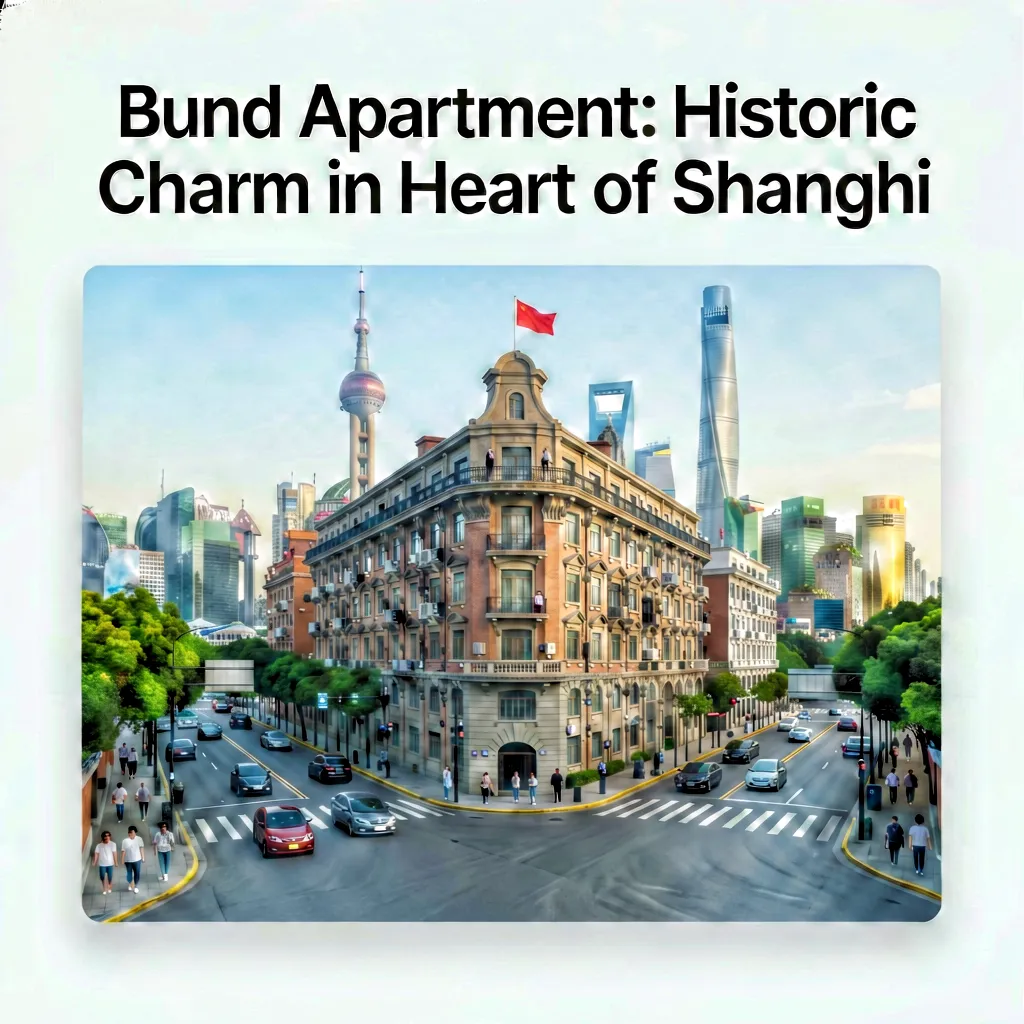
A Rare Find in Shanghai’s Ever-Changing Skyline
Shanghai is a city of relentless velocity. Its silhouette is a daily construction site of glass and steel, where yesterday’s shikumen alleyway can be tomorrow’s luxury mall. In this whirlwind of modernization, finding a home that possesses both soul and a prime location feels like a whispered secret rather than a listed possibility. This is precisely what makes the upcoming sublease opportunity so exceptional. It isn’t just another apartment; it’s a tangible piece of the city’s layered narrative, tucked into one of its most coveted addresses. For those disillusioned by the sterile repetition of new high-rises, this Bund-area residence offers a profound alternative: a place to live in Shanghai’s history, not just beside it. The current tenant’s genuine affection for the space is the most compelling advertisement of all—a sentiment that cuts through the usual transactional noise of the rental market.
The Apartment: Where History Meets Modern Comfort
Stepping into this apartment is a study in delightful contrasts. The listing specifies approximately 90 square meters, a generous size for a central Shanghai home, but the true feeling of expanse comes from the soaring high ceilings. These are not the dropped ceilings of a modern build but the original, tall ceilings of a historic structure, creating an airy, almost majestic atmosphere. This architectural choice does more than add vertical space; it transforms how light moves through the home. The description promises “tons of natural light throughout the day,” and this is no exaggeration. Large windows, likely original to the building’s era, capture the Shanghai sun from morning to afternoon, making the interior feel perpetually bright and alive.
The finishes represent a thoughtful bridge between past and present. While the bones—the layout, the ceiling height, perhaps the parquet flooring—hold the building’s historic character, the interiors have been updated with modern amenities and clean lines. There’s no clash of styles, only a harmonious blend. You get the warmth and uniqueness of an older home without sacrificing contemporary convenience. The apartment is on the third floor, a sweet spot that offers a pleasant view while avoiding the street-level noise, yet it remains remarkably quiet. This is a crucial detail in a metropolis that never truly sleeps. Being “quiet despite being in the heart of the city” is a coveted luxury, suggesting excellent building insulation, thoughtful window placement, or simply the forgiving design of a bygone era that prioritized solid construction.
The Location: At the City’s Pulse, Yet Serene
The phrase “fantastic location—walking distance to everything around the Bund” is both an understatement and the core of the apartment’s value. The Bund is not just a waterfront promenade; it’s Shanghai’s historic financial heart, its iconic postcard skyline facing the Pudong towers. Living within walking distance means you are embedded in the city’s ceremonial center. You can stroll to the historic banks and customs houses, breathe the river air along the Huangpu, and be in the midst of the dazzling light show each evening. But the location’s magic extends beyond the tourist gaze.
This apartment sits in a zone that connects multiple worlds. A short walk can take you to the leafy avenues of the French Concession, with its cafes and boutique shops, or to the bustling commercial streets of Nanjing East Road. The connectivity is unparalleled for both exploration and daily life—supermarkets, international restaurants, cozy bars, and cultural sites like the Shanghai Museum or the Grand Theatre are all within a comfortable 15 to 20-minute walk. It’s a location that serves a expatriate professional, a culture enthusiast, or anyone who desires to experience the full spectrum of Shanghai’s energy without requiring a car or even constant metro use. The convenience is absolute, yet the apartment itself provides a serene retreat from that very convenience.
The Landlord: The Invisible Asset
In any rental story, the landlord is the unseen variable that can define the entire experience. The original poster’s emphasis on the landlord being “genuinely wonderful—kind, responsive, and fair” is the non-negotiable highlight of this listing. In Shanghai’s often impersonal rental ecosystem, where disputes over deposits, maintenance requests lost in bureaucracy, and sudden rent hikes are common grievances, a good landlord is worth a premium. This isn’t just about being nice; it’s about reliability. A responsive landlord means a leaky faucet or a broken appliance is handled promptly, preserving the home’s integrity and the tenant’s peace of mind. A fair landlord means transparent contracts, reasonable rent increases, and a relationship built on mutual respect rather than adversarial terms.

Finding such a landlord is, as noted, “surprisingly rare.” a number of properties are managed by distant agencies or absentee owners for whom the rental is purely an income stream. The personal touch here indicates a landlord who likely has a long-term relationship with the property and a vested interest in its care and its tenants’ satisfaction. For the incoming tenant, this means inheriting not just a space but a stable, trustworthy housing situation. It removes a significant layer of stress from the expatriate or local mover’s life. The original tenant’s desire to find the “right person” speaks to a hope that this positive relationship will continue, protecting both the home’s legacy and the landlord’s good nature.
Value Proposition: Decoding the 15,000 RMB Price Tag
The stated rent is 15,000 RMB per month. To assess its competitiveness, one must contextualize it within Shanghai’s 2026 rental landscape. For a 90 sqm, two- or three-bedroom apartment in or near the Bund, this is an aggressive price point. Prime locations like the Bund, Jing’an, or parts of the French Concession routinely command 20,000 RMB and upwards for comparable modern units. The price reflects several factors: the building’s historic status (which can mean slightly higher maintenance costs but also unique appeal), the lack of a luxury high-rise’s amenities (like pools or gyms), and perhaps the sublease nature of the transfer.
But, the value is not just in square meters. It’s in the total package: the character, the light, the quiet, the location, and critically, the landlord. A generic new build apartment of similar size in a less central area might cost the same or more, but would lack every single one of these intangible qualities. The tenant is paying for an experience, a lifestyle, and a safeguard against the typical rental headaches. When you calculate the cost per square meter against the benefits—walkability saving on transport, a beautiful space improving daily life, a reliable landlord saving time and anxiety—the rent shifts from a number to a savvy investment in quality of life. It’s a price that recognizes the apartment’s true worth beyond mere metrics.
The Neighborhood: Layers of Shanghai Story
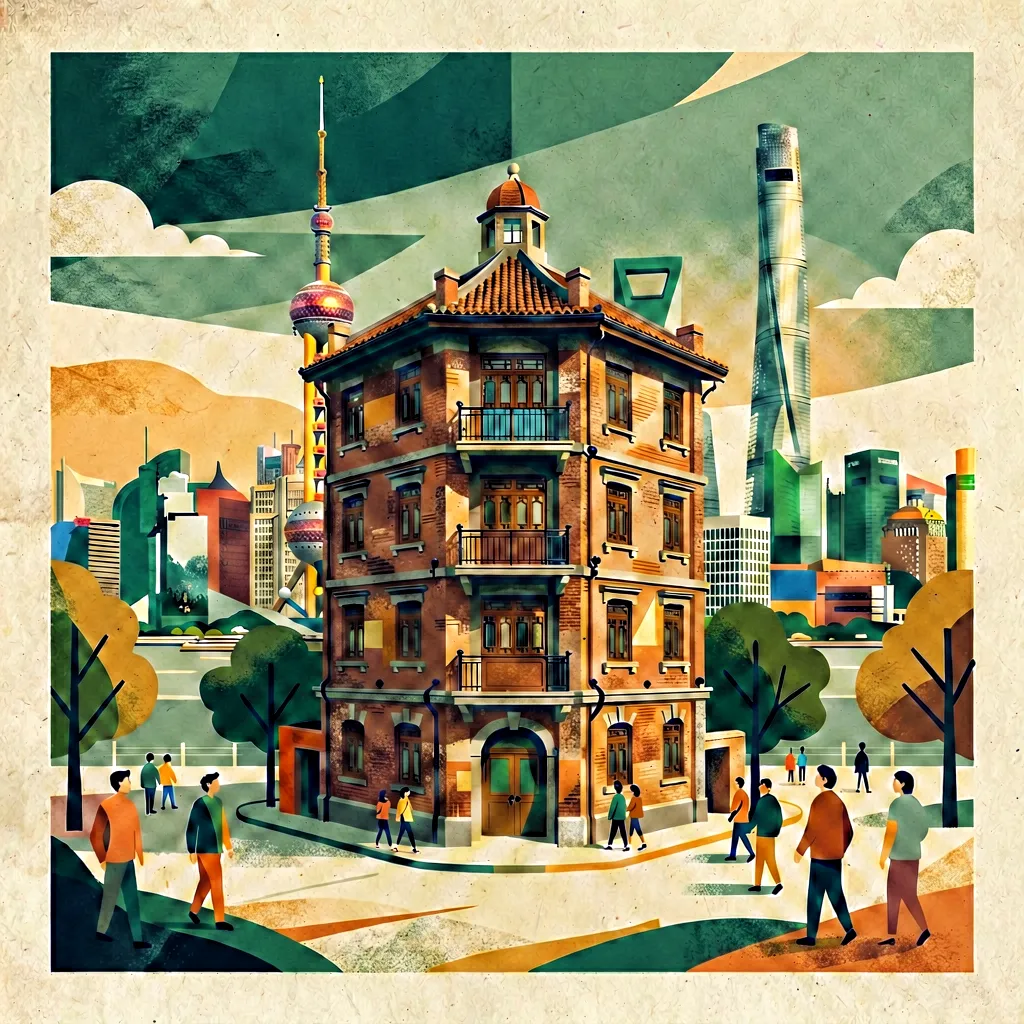
Living here means your daily life is set against a backdrop of Shanghai’s stratified history. The building itself is a “historic building,” a term that in Shanghai can range from a preserved 1920s lilong (lane house) to a 1930s Art Deco apartment block. While the exact architectural style isn’t specified, its presence on or near the Bund places it within the sphere of the city’s most celebrated historic core. You’re living in a structure that has witnessed the city’s transformation from a treaty port to a global megacity. The neighborhood is a living museum, with every street corner telling a story—from the Gothic spires of the Peace Hotel to the neoclassical facades of the former HSBC building.
This isn’t a static museum, however. The historic fabric is interwoven with the hyper-modern. A five-minute walk might take you from your quiet apartment to the futuristic neon of the Pudong skyline across the river, or to a hidden speakeasy in a restored shikumen courtyard. The area caters to a diverse crowd: retirees practicing tai chi in the parks, young professionals in business attire, tourists with cameras, and artists drawn to the creative energy. This creates a dynamic, 24-hour rhythm that is both stimulating and, thanks to the apartment’s design, easily escapable. The location offers the best of both worlds: total immersion in the city’s iconic energy and a peaceful, character-filled sanctuary to return to.
Why “Character” Trumps “Generic” in a High-Rise World
The original poster makes a direct appeal: “If you’re looking for a home with character rather than another generic high-rise apartment, I honestly think you’ll fall in love with this place.” This is a sentiment that resonates deeply with a growing segment of urban dwellers who are fatigued by homogeneity. A generic high-rise apartment, no matter how new or well-appointed, is often a product of cost-efficient construction. It features uniform layouts, thin walls, standardized fixtures, and a lack of architectural distinction. It can feel like any number of thousands of units in any global city.
A home with character, like this Bund apartment, tells a story. The high ceilings, the particular way the light falls in the afternoon, the slight unevenness of an old floorboard, the original molding—these are details that cannot be replicated. They create a sense of place and permanence. In a transient city like Shanghai, where people come and go, having a home that feels uniquely “yours” is a psychological anchor. It fosters a deeper connection to the city itself. You’re not just occupying a space; you’re curating a personal chapter within Shanghai’s long narrative. This emotional and aesthetic value is intangible but immensely powerful, transforming a dwelling from a commodity into a cherished personal space.
Navigating the Sublease: Practical Considerations for the Right Tenant
This is a sublease transfer, a common but sometimes complex process in Shanghai. The ideal candidate needs to understand both the opportunity and the procedure. First, the original lease terms with the landlord are paramount. The incoming tenant must be prepared to formally assume the lease, which typically involves the landlord’s approval, a new security deposit arrangement, and a direct contractual relationship established with the landlord moving forward. The original tenant’s description of the landlord as “kind, responsive, and fair” is a huge positive indicator that this process will be smooth and transparent, but due diligence is still required.
Prospective tenants should request to see the original lease agreement to understand the full terms: the official rent, deposit amount (usually one to two months’ rent), contract duration, and any specific clauses regarding subletting or early termination. The 15,000 RMB monthly rent should be confirmed as the amount the landlord expects going forward. It’s also wise to have a direct conversation with the landlord to confirm their approval and to gauge their demeanor personally. The transfer will likely involve a “transfer fee” or agreement between the outgoing and incoming tenant, which is separate from the landlord’s deposit. Clarifying all financial exchanges in writing is essential. This apartment is a prize, but securing it requires navigating the administrative path with clarity and respect for all parties involved.
The Emotional Equation: Why This Post Resonates
Beyond the specifications, the original post carries an emotional weight that elevates it from a standard listing. Phrases like “I genuinely love” and “I have to part ways with an apartment that I genuinely love” are powerful. They signal that this is not a mere transaction for the current tenant; it’s a heartfelt departure from a beloved home. This authenticity is magnetic. In a market saturated with inflated descriptions and agent jargon, raw, sincere affection for a property is rare and convincing. It implies the apartment delivers on its promises in a way that statistics cannot capture.
The poster’s hope to find “the right person” adds a layer of stewardship. They are not just dumping a lease; they are seeking a worthy successor to care for a place they cherish. This creates a narrative of continuity and respect for the home. For the incoming tenant, there’s an immediate sense of being welcomed into a positive legacy, not just inheriting a contract. It frames the move as a gain—acquiring a home with a proven happy history—rather than a logistical hassle. This emotional framing is a subtle but critical part of the apartment’s appeal. It taps into the universal desire to find a “home,” not just a house, and suggests this Bund apartment has already proven its ability to be one.
Securing Your Piece of Shanghai History
For those who feel the pull of this description, the path forward is clear but must be approached with seriousness. The first step is to contact the original poster as indicated (“Happy to answer any questions or arrange a viewing”). Prepare specific, informed questions that demonstrate you understand the value proposition: ask about the building’s exact year and architectural style, the management committee (weiyuanhui) if it’s a older building, the breakdown of utilities (shuidian fei, dianfei), and the landlord’s preferred communication method. Request a viewing at a time that allows you to experience the light throughout the day, as promised.
During the viewing, look for the details that make it special. Test the quietness at different hours. Notice the flow of the space. Chat with the landlord if possible to feel out the relationship. Bring a copy of your own financial and employment documents to show you are a serious, qualified candidate. Given the “extremely competitive” rent and the emotional appeal, expect interest to be high and decisions to be made quickly. This is not a property for the indecisive. It is for the person who, upon seeing the light fill those soaring rooms, will feel that same “genuine love” and know, without a doubt, that they have found their Shanghai home.
Conclusion: More Than an Address
Ultimately, this Bund apartment represents a convergence of factors that define an ideal urban living situation in a city like Shanghai. It offers the rare trifecta of prime location, historic character, and exceptional landlord rapport. The 15,000 RMB monthly cost is not merely a price; it is an entry fee into a specific, elevated experience of the city. It buys mornings filled with sunlight in a space with soul, evenings of peace after the city’s buzz, and the profound security of a hassle-free landlord relationship. In a housing market often defined by compromise—you can have space, or location, or quality, but rarely all three—this listing challenges that equation. It suggests that with patience, discernment, and a appreciation for history, you can indeed have it all. The current tenant’s love for the apartment is the ultimate testimonial. The right person now has the chance to write their own story within these walls, continuing the legacy of a home that is genuinely, undeniably special. ```
Responses • 0
0/2000
ID: 1326
Chris
Online
From
Bakersfield, United States
Send Message