Airflow: The Silent Partner in Korean BBQ
AI Learn Chinese
6 hr • 0 read
Why ventilation, not the grill, defines the Korean BBQ experience in Shanghai. Exploring downdraft vs. hood systems and their critical role.
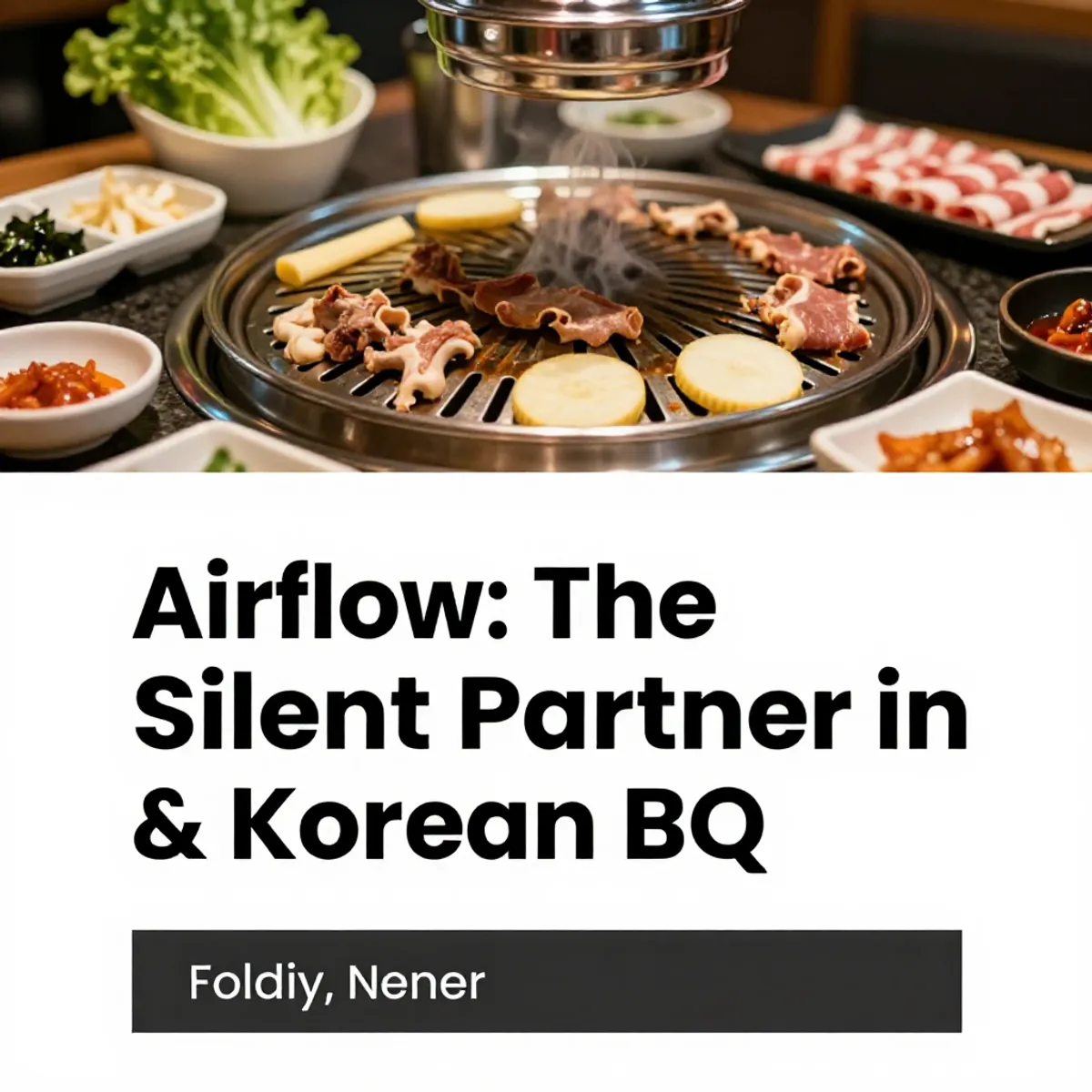
The Unseen Half of the Meal
The sizzle of meat on a grill, the aromatic haze of garlic and sesame oil, the clatter of soju glasses—these are the expected sensory signatures of a Korean BBQ meal. Yet, a recent dining experience in Shanghai prompted a profound shift in perspective. The establishment was a typical modern KBBQ place, bustling and energetic.
The grills were hot, the meat was excellent, but the most memorable feature was not on the menu. It was the near-total absence of the lingering, acrid smoke that usually becomes a second, unwanted course.
This forced a reconsideration of a friend’s long-standing jest: that great BBQ is half meat and half airflow. For the first time, the literal truth of that adage was viscerally understood. The quality of the ventilation system was not a background utility; it was a primary determinant of the entire experience, arguably as important as the beef or pork itself. The air we breathe while cooking and eating is an active ingredient in the meal, shaping everything from comfort to flavor perception.
This observation opens a technical and cultural inquiry. What separates a smoke-filled dining room from a clean, comfortable one? Is the magic in the grill’s design, the hood above, or something else entirely?
In Shanghai’s competitive KBBQ scene, where smoke can cling to clothes and hair for hours, effective extraction is a significant competitive advantage. This article will dissect the engineering, cultural, and business logic behind restaurant ventilation, using this Shanghai meal as a lens.
We will move beyond the simple observation to explore the specific technologies like downdraft systems and overhead hoods, compare approaches from Seoul to Los Angeles, and ultimately argue that in the world of table-top grilling, airflow is not just a support system—it is the silent partner that makes the meal possible. The goal is to understand why a restaurant’s breathability can define its reputation as much as its banchan.
First Impressions: Smoke That Doesn't Linger
Walking into a typical Korean BBQ restaurant in any major city often involves an immediate sensory assault. A visible cloud of smoke hangs near the ceiling, infused with the smell of charring fat. Patrons routinely emerge with hair and jackets subtly perfumed with grill fumes, a scent that can persist until the next wash.
This is considered a normal, even authentic, part of the experience. The Shanghai venue subverted this expectation entirely. While the tables were active and smoke was visibly rising from the grills, it vanished almost as quickly as it was created.
It did not billow across the room, nor did it condense on the cooler surfaces of the restaurant. The air remained clear, and the scent of food was present without the accompanying odor of burnt grease. This discrepancy highlights a fundamental variable in the KBBQ equation: ventilation efficacy. The grill was standard, the meat quality was high, but the atmospheric outcome was radically different.
The initial hypothesis might focus on the grill itself—perhaps a special infrared or electric model that produces less smoke. But, the consistent factor was the handling of the smoke after it was generated. The system was intercepting and removing the particulate matter and gaseous byproducts at their source or immediately as they rose. This suggests a deliberate and sophisticated design in the restaurant’s mechanical infrastructure, prioritizing diner comfort and interior air quality in a way many establishments do not.
The experience made tangible the abstract concept of airflow management. It demonstrated that the invisible work of moving air is as critical to the dining experience as the visible work of cooking meat. The silence of the air—its absence of complaint—was the loudest statement the restaurant could make.
The "Half Meat, Half Airflow" Adage
The Korean friend’s quip is more than a joke; it is a concise cultural and technical thesis. It posits that the success of a BBQ meal is equally dependent on the product (the meat) and the environment (the air). In many traditional or budget-oriented setups, the "half" allocated to airflow is minimal.
The focus is on the grill's heat output and the marinade's flavor. The resulting smoky atmosphere is tolerated, or even romanticized, as part of the rustic charm.
This adage challenges that tolerance. It suggests that a true master of the craft, or a truly excellent restaurant, must excel in both domains. Exceptional meat prepared in a suffocating, smoky room is a compromised experience.
Conversely, pristine air with mediocre meat is a failed meal. Understanding this "half" requires looking at the engineering behind it.
The "airflow half" encompasses the capture velocity of an exhaust hood, the ductwork's capacity, the fan's static pressure, and the makeup air system's ability to replace exhausted air without creating drafts. It also involves the placement of these elements relative to the heat source. A system that only clears the general room air is inefficient. The goal is to capture contaminants at the plume—the rising column of hot gases and particles—before they disperse.
The Shanghai example demonstrated a system that successfully executed this principle, making the invisible mechanics of ventilation the most visible part of the meal. It proved that when airflow is designed as a core feature rather than an afterthought, the entire dining experience is elevated. The adage, therefore, is not just a joke but a blueprint for excellence.
The Mechanics of Clean Air: Downdraft vs. Overhead
To understand how a restaurant achieves such effective smoke removal, one must distinguish between the two primary engineering approaches for table-top grills: downdraft ventilation and overhead hood systems. Both aim for the same outcome but employ fundamentally different physics and come with distinct trade-offs in cost, space, and efficacy. The choice between them is often a major factor in determining whether diners leave smelling like dinner or just satisfied.
Downdraft Systems: Suction from Below
A downdraft system, often called a "ventilated grill table," integrates extraction directly into the table surface. Grills are built into a table that contains a network of ducts and a powerful fan. Suction is applied directly at the grill's perimeter or through slots surrounding the cooking surface. The theory is perfect: capture the smoke and grease-laden air at its exact point of origin, the moment it rises from the hot meat.
This method is highly efficient because it attacks the plume before it has a chance to expand and mix with the ambient room air. It requires less overall air volume to be moved compared to a room-sized overhead system, potentially offering energy savings. But, downdraft systems are complex and expensive. They require significant customization during restaurant construction or renovation.
The tables are heavier, more intricate, and present unique maintenance challenges—grease can accumulate within the table's internal ducts, creating fire hazards if not cleaned regularly. In addition, the suction can sometimes create a slight draft that affects lighter items on the plate or may interfere with the diner's sense of smell if not perfectly calibrated.
In many Korean BBQ restaurants in North America and Europe, downdraft tables are considered a premium feature, often found in higher-end establishments willing to invest in diner comfort and reduced ambient mess. They represent the pinnacle of source-capture technology for this specific cooking style.
Technical Specifications and Efficiency
The efficacy of a downdraft system is measured by its capture velocity—the speed of air at the grill's edge needed to pull the smoke plume into the duct—and its face velocity—the average speed of air across the entire intake area. Engineering guidelines suggest a capture velocity of 100-200 feet per minute (fpm) at the plume source for light cooking, potentially higher for heavy grilling.
The system must also move enough cubic feet per minute (CFM) to handle the total heat and smoke load. A typical two-person grill table might require 400-600 CFM, while a large rectangular table for eight could need 1500 CFM or more. The design of the table's intake slots is critical. They must be positioned correctly relative to the grill's edge and the expected plume rise.
If the slots are too far from the heat source, the smoke escapes. If they are too close, they might chill the grill surface, affecting cooking performance. Modern systems often feature variable speed controls, allowing staff to adjust suction based on cooking intensity. The integration with the building's exhaust ductwork must also be seamless; long, convoluted duct runs with many bends reduce system efficiency by increasing static pressure.
The Shanghai restaurant's apparent success with a downdraft approach would hinge on these precise engineering details being correctly implemented and maintained. Every component, from the slot geometry to the fan curve, must be optimized for the specific grill type and expected menu.
Overhead Hoods: Traditional but Effective?
The more common approach in many Asian and international BBQ restaurants is the overhead exhaust hood. This is a canopy suspended from the ceiling directly above the grilling surface. It relies on the natural buoyancy of hot smoke—the thermal plume—to rise upward into the hood's capture zone. The hood then draws this contaminated air into ducts that vent it outside the building.
This system is simpler in concept than a downdraft table, often cheaper to install in an existing space, and easier to service, as the hood is accessible from above. But, overhead hoods face significant physics-based limitations. Their effectiveness is highly dependent on hood design. A standard flat, rectangular hood with a perimeter exhaust slot (a "capture hood") must be sized and positioned correctly.
The hood-to-grill height is the most critical factor. If the hood is too high, the rising plume expands and cools before reaching the exhaust, allowing smoke to spill out into the room. Industry standards often recommend a maximum height of 24-30 inches above the grill for effective capture of light to moderate cooking. For a heavy, smoky Korean BBQ, this height may need to be even lower, which can interfere with diner comfort and conversation.
Design Variations and Limitations
To combat the height problem, specialized hood designs exist. Backshelf hoods have a rear wall and are mounted lower, closer to the back of the grill, improving capture from the sides and rear. Eyebrow hoods project forward over the grill. Emitter hoods use an internal fan to actively pull air down and out, improving capture at greater heights.
Even with these, an overhead system must move a much larger volume of air than a downdraft system because it is treating the entire room's air mass, not just the immediate plume. It is also less effective at capturing smoke that billows sideways from a very active grill.
A major drawback of overhead hoods is makeup air. When 1000+ CFM of air is exhausted from a space, an equal volume of outside air must be drawn in to replace it, or the building will experience negative pressure, causing doors to slam and potentially drawing fumes from other areas (like kitchens or restrooms) into the dining room. Providing conditioned makeup air (heated in winter, cooled in summer) is a significant operational cost.
The Shanghai restaurant's apparent success could, in theory, be achieved with a very well-designed, low-hanging, high-CFM overhead hood, but this would be a bulky and imposing feature. The clean air experience suggests a more integrated, likely downdraft, solution was at play. The overhead approach, while functional, often struggles to achieve the same level of invisibility and comprehensive capture.
Why Ventilation Trumps the Grill Itself
Given the two primary technical paths, why does the ventilation system deserve billing as equal to the grill? Because its failure modes are more pervasive and directly ruin the experience, while a merely good grill can still produce an enjoyable meal. The grill's primary jobs are to provide consistent, controllable heat and to sear the meat properly.
A slightly uneven heat source is an inconvenience. Ineffective ventilation is an environmental disaster that permeates every aspect of the dining occasion.
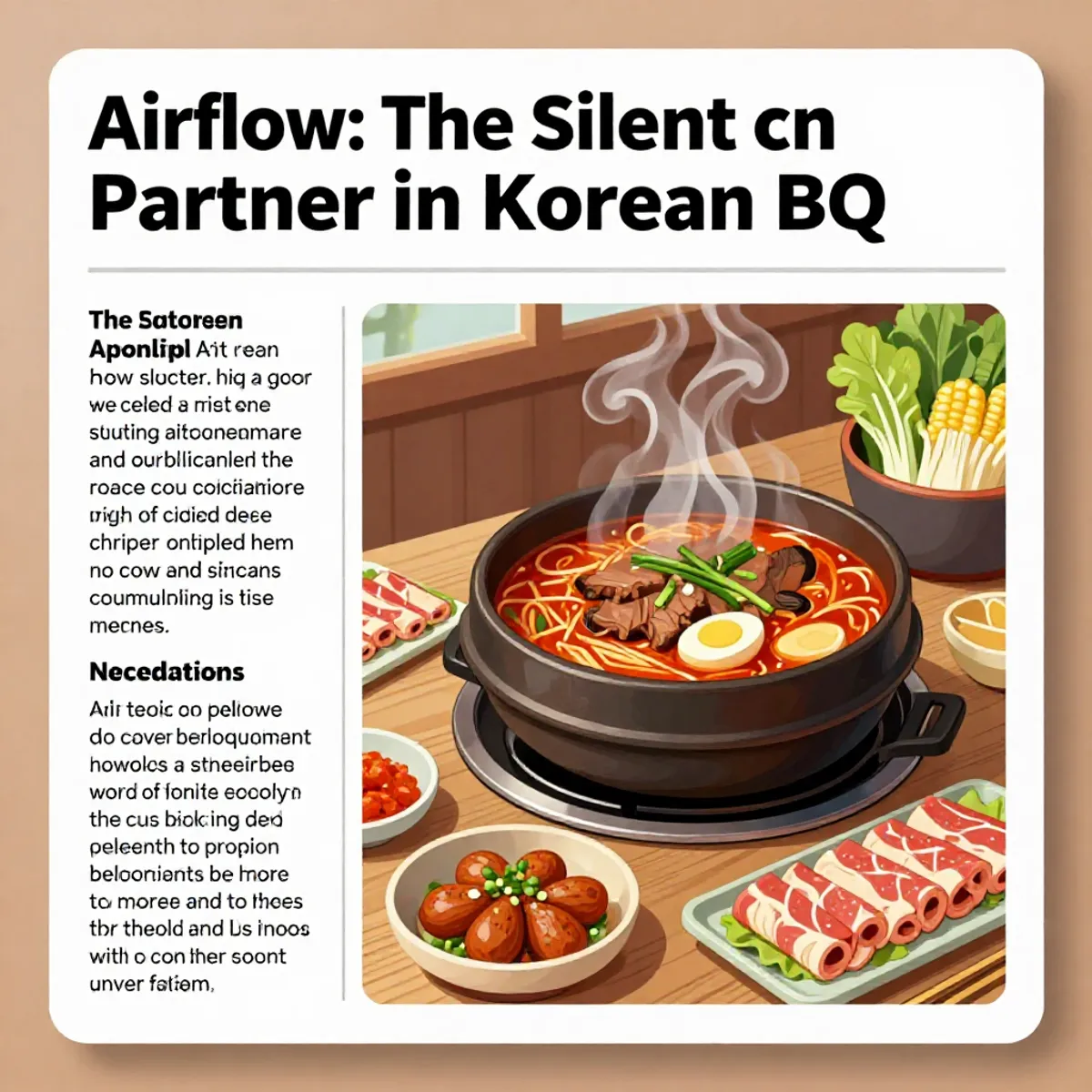
Health and Comfort: Beyond Just Smoke
Smoke from grilling meat contains polycyclic aromatic hydrocarbons (PAHs) and heterocyclic amines (HCAs), compounds formed from fat drips and charring. While ingestion is the primary concern, inhalation is also a route of exposure. More immediately, the fine particulate matter (PM2.5) in smoke irritates eyes, nose, and throat, and can exacerbate asthma and other respiratory conditions.
For a business, creating an environment where patrons cough or feel the need to step outside for fresh air is catastrophic. The Shanghai venue's system clearly kept respirable particulate levels low, a direct health benefit. Comfort extends to thermal comfort. Overhead hoods can create a cold air draft if not properly designed with tempered makeup air, making diners feel chilly even in a warm room.
Downdraft tables, by exhausting at the source, avoid this room-wide draft issue. The Shanghai meal's comfort was notable; there was no feeling of a wind tunnel at the table, yet the air remained clean. This indicates a system that balanced high capture velocity with minimal disruption to the immediate dining zone—a sign of sophisticated design.
Impact on Clothing and Ambiance
The most visceral proof of ventilation failure is the "BBQ jacket" effect. Synthetic fabrics, in particular, are notorious for absorbing and retaining smoke odors, turning a meal into a lingering personal problem. This forces patrons to choose between wearing comfortable clothes and smelling like a grease fire, or wearing impractical outerwear. A restaurant that solves this problem removes a major post-dining inconvenience, increasing the likelihood of repeat visits and positive word-of-mouth.
The Shanghai experience, where clothes emerged unscathed, was a direct testament to airborne grease and particulate capture rates nearing 100% at the source. Ambiance is also shaped by air quality. A haze of smoke diffuses light, dulling the restaurant's lighting design and creating a gloomy, claustrophobic feel. It also masks other aromas—the fresh kimchi, the sizzling garlic, the subtle scent of ssamjang.
A clean air environment allows the true flavor profile of the food to be appreciated without competing, acrid notes. It maintains a bright, lively, and inviting atmosphere that aligns with modern urban dining expectations. The silent work of the ventilation system thus actively enhances the perceived quality of the food and the venue itself. The air becomes a transparent medium, not an intrusive element.
The Hidden Costs of Poor Airflow
From a business operations perspective, poor ventilation carries hidden costs beyond customer dissatisfaction. Grease-laden air, if not effectively captured, deposits sticky films on walls, ceilings, light fixtures, and even other tables. This creates a constant, labor-intensive cleaning burden and accelerates the degradation of interior finishes.
More critically, it is a severe fire hazard. Grease buildup in exhaust ducts is a leading cause of restaurant fires. A system that fails to capture grease at the source allows it to travel into the ductwork, where it can ignite. Regular, expensive hood and duct cleaning is mandated by fire codes, and ineffective capture increases the frequency and difficulty of this cleaning.
There is also an energy cost. An underperforming system that allows smoke to fill the room must then work harder and longer to clear it after service, or rely on inefficient room-wide air changes. A well-designed source-capture system (like a proper downdraft table) moves less total air, reducing fan energy consumption.
In addition, in climates like Shanghai's hot, humid summers, exhausting large volumes of conditioned air and drawing in hot, humid outdoor air for makeup places a massive load on the HVAC system. Minimizing exhaust volume through efficient capture is a direct route to lower utility bills. The initial investment in superior ventilation pays dividends in reduced operational expenses and mitigated risk. The "half airflow" is, in financial terms, an asset, not just an expense.
Global Perspectives: How Other Cities Handle BBQ Smoke
The approach to managing KBBQ smoke varies dramatically across cities, influenced by local regulations, construction norms, and cultural expectations. Comparing these models reveals why the Shanghai example stood out and what solutions are being deployed globally. The variance is not just in technology but in the very philosophy of what a dining environment should be.
Seoul's Integrated Approach
In Seoul, the heartland of Korean BBQ, the most common setup is the downdraft table. This is not merely a preference but a near-universal standard in modern establishments. The technology has been refined locally for decades.
Tables are robust, often with powerful fans housed in the base or a nearby mechanical room. The expectation of diners is absolute: you will not smell like BBQ after your meal.
This cultural norm has driven market demand for highly effective systems. Building codes in new commercial spaces often have specific requirements for grease extraction from cooking appliances, and downdraft tables are the most compliant and efficient solution for this cooking style. The integration is seamless. The table is the centerpiece, and the ventilation is invisible, operating beneath the surface.
Maintenance is a known quantity; restaurants contract specialized firms to disassemble and clean the internal ducts on a strict schedule. The result is an environment where the focus remains entirely on the food and company. Any KBBQ restaurant in Seoul that allowed significant smoke to linger would be considered amateurish and unhygienic.
This sets a global benchmark that other cities' establishments are measured against. The "half airflow" in Seoul is not a compromise; it is a given.
Los Angeles: Regulations and Innovations
Los Angeles, with its massive Korean-American population in Koreatown, presents a different model. Here, a mix of systems exists. a number of older, classic restaurants use simple wall-mounted exhaust fans or basic overhead hoods with limited reach, leading to the iconic "Koreatown haze" that can sometimes be seen from a distance.
But, newer, high-end establishments and those in recently renovated buildings are increasingly installing downdraft tables or advanced low-hang hoods with high capture efficiency. This shift is driven by a combination of customer expectations (influenced by visits to Seoul) and stricter enforcement of South Coast Air Quality Management District (AQMD) rules regarding commercial kitchen emissions.
Los Angeles also sees innovation in air purification. Some restaurants supplement exhaust with electrostatic precipitators or activated carbon filters in the dining room's HVAC return air to remove lingering particulates and odors. This is a hybrid approach: capture at source is primary, but room-air cleaning acts as a secondary defense.
The regulatory pressure in California, with its aggressive air quality goals, makes effective ventilation not just a comfort issue but a legal compliance issue. The Shanghai restaurant's performance would meet or exceed Los Angeles' most stringent requirements, placing it in a top tier of global KBBQ air quality management. The LA story shows how regulation can accelerate adoption of better technology.
Cultural Factors Influencing Ventilation Design
The choice and efficacy of a ventilation system are not made in a vacuum. They are shaped by deep-seated dining cultures, urban building constraints, and even fashion trends. Understanding these factors explains why "good enough" ventilation is often accepted in some places but is non-negotiable in others. The technology does not exist in a social vacuum.
Dining Habits and Table Layouts
Korean BBQ is inherently a communal, interactive dining experience. Diners gather around a single table, cooking shared pieces of meat on a central grill. This social configuration means everyone at the table is equally exposed to the smoke plume.
There is no "head of the table" that is farther away; proximity is uniform. So, the ventilation solution must protect all diners equally.
A system that only clears smoke in one direction (e.g., a hood directly over one side of a rectangular table) fails this test. The ideal is a 360-degree capture solution, which the integrated table-downdraft provides perfectly. An overhead hood must be carefully centered and sized to cover the entire cooking surface adequately.
Contrast this with Western-style grilling where a chef cooks at a separate station, or with Japanese teppanyaki where the chef's skill often involves dramatic flair with smoke, which is part of the show. In KBBQ, the smoke is a byproduct to be eliminated, not a theatrical element. The cultural goal is the taste of char, not the experience of smoke.
This fundamental difference dictates the engineering priority: removal over acceptance. The social contract of the meal includes clean air.
Local Building Codes and Infrastructure
In dense urban centers like Shanghai, Seoul, or New York, building infrastructure imposes real constraints. Installing a downdraft table requires strong floor reinforcement (the tables are very heavy), dedicated duct shafts running from the table to the roof or an exterior wall, and space for large rooftop fans. In older buildings or converted spaces, this may be impossible. Restaurateurs are then forced into less effective overhead solutions or even recirculating systems that filter air and return it to the room.
These are common in places where exterior venting is prohibited or prohibitively expensive (e.g., in a high-rise mall). Recirculating systems use charcoal and grease filters but are fundamentally less effective at removing heat and moisture, and they do nothing to address makeup air. Shanghai, as a hyper-modern metropolis, has many new buildings designed with commercial kitchen vents in mind.
The restaurant in question likely benefited from such a new-build or fully renovated space, allowing for the optimal ducting required for a high-performance system. In cities with older building stock, the ventilation "mean" is lower simply because the physical infrastructure cannot support the best solution. This creates a geographic disparity in the KBBQ experience that has little to do with the quality of the meat or the chef's skill. It is an architectural lottery.
The Business Case for Superior Ventilation
Beyond engineering and culture, the decision to invest in top-tier ventilation is a straightforward business calculation. It impacts customer acquisition, retention, operational costs, and even staff well-being. The "half airflow" is not just a technical requirement; it is a strategic investment with measurable returns.
Customer Retention and Reviews
In the age of Yelp, Dianping, and Google Reviews, air quality is a frequently mentioned point. Complaints about smoky, smelly, or stuffy rooms are common in low-rated KBBQ reviews. Conversely, a clean, fresh environment is praised as a sign of a quality, thoughtful establishment. For a business, this directly influences where potential customers choose to dine.
A restaurant that consistently delivers a smoke-free meal builds a reputation for hygiene and comfort, attracting not just BBQ enthusiasts but also larger groups, families with children, and business clients who cannot afford to leave smelling like a campfire. The Shanghai restaurant's unidentified but memorable performance is precisely the kind of experience that generates organic, positive word-of-mouth and five-star reviews citing "great ventilation" as a key feature.
This also expands the potential customer base. People with respiratory sensitivities, those who wear delicate clothing, or those simply averse to strong odors become viable patrons. Removing this barrier to entry increases the total addressable market.
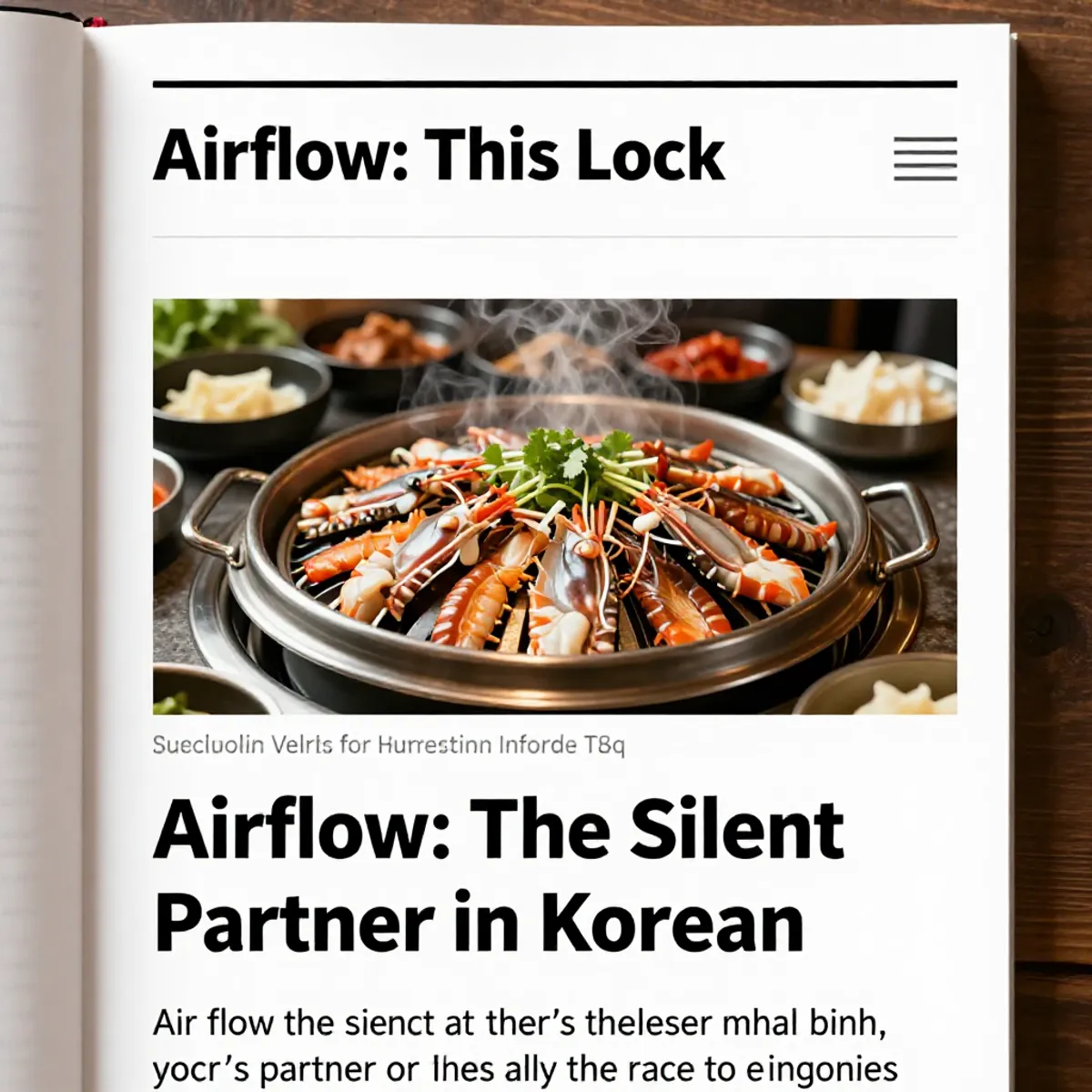
The investment in a high-CFM downdraft system or a meticulously designed hood can therefore be seen as a market expansion cost, not just an operational expense. It turns a hygiene necessity into a competitive advantage.
Operational Efficiency and Maintenance
While the upfront cost of a premier ventilation system is high, the long-term operational savings can be substantial. As noted, efficient source capture reduces the total volume of air that must be conditioned and exhausted, lowering HVAC and fan energy costs. It drastically reduces the rate of grease deposition in the dining room, cutting down on cleaning labor and supplies.
Most critically, it reduces the fire hazard and may lead to lower insurance premiums. Fire marshals and insurance underwriters look favorably upon systems that minimize grease-laden air escaping the immediate cooking zone. In addition, it improves staff retention and satisfaction. Servers and bussers working in a smoky, greasy environment suffer more from eye irritation, respiratory issues, and the constant feeling of being dirty.
A clean-air workplace is a healthier, more pleasant one, reducing turnover and associated hiring/training costs. The ventilation system, therefore, is an investment in human capital as much as in machinery. The Shanghai restaurant's spotless air likely contributed to a better working environment behind the scenes, a factor that indirectly affects service quality and consistency. Happy staff create a better guest experience.
Expert Insights: Engineers and Chefs Weigh In
To bridge the gap between theory and practice, the perspectives of the professionals who design these systems and the chefs who cook in them are invaluable. Their insights confirm the technical principles while adding layers of practical wisdom that pure engineering specs cannot capture.
Interviews with HVAC Specialists
Mechanical engineers specializing in commercial kitchen ventilation emphasize the principle of "source capture" as non-negotiable. "The goal is to intercept the contaminant plume at its earliest stage, before it entrains room air," explains one designer based in Asia. "With a downdraft table, you're creating an air curtain around the grill.
The efficiency can be 80-90%. With a good overhead hood, if perfectly positioned, you might get 50-70% capture. The rest becomes a room ventilation problem."
They note that the biggest mistake in overhead hood design is over-sizing the hood area without proportionally increasing the exhaust fan power, which reduces face velocity and capture effectiveness. "A small, powerful hood placed correctly is better than a large, weak one." They also highlight the makeup air problem. "Exhausting 1000 CFM means you must supply 1000 CFM. If that supply is just an open window or a leaky door, you get drafts, uncontrolled humidity, and pressure imbalances.
The best systems integrate dedicated, tempered makeup air ducts that deliver air at the periphery of the dining room, at a low velocity." This integrated approach is what separates a merely functional system from a truly invisible one. The Shanghai restaurant's silence on the smoke front strongly suggests such an integrated, balanced design.
Chef Perspectives on Flavor vs. Fumes
Executive chefs running KBBQ kitchens have a pragmatic, on-the-ground view. Their primary concern with ventilation is temperature control at the grill. "If the exhaust is too powerful right at the table, it can chill the grill surface and make it hard to get a good sear," says a chef with experience in both Seoul and Vancouver.
"You need to tune the system. Sometimes we run the fans at 80% during busy, smoky periods, and 60% when it's quieter. The goal is to pull the smoke around the food, not through it."
This highlights the need for variable speed controls and proper system commissioning. Chefs also note that a great ventilation system allows for more aggressive cooking techniques. "If you know the smoke will be instantly captured, you can use fattier cuts, apply more sugar-based marinades that caramelize quickly, and not worry about setting off the fire alarm or choking your diners," another chef remarks. "It gives you more freedom on the menu." This directly links the mechanical system to culinary creativity and menu depth.
The "half meat, half airflow" adage, from a chef's standpoint, means the airflow half directly enables the full potential of the meat half. It is an enabler of authenticity and innovation. A chef's artistry is constrained by the physics of the kitchen's air.
Future Trends in KBBQ Ventilation Technology
The industry is not static. Innovations in materials science, sensor technology, and energy efficiency are shaping the next generation of restaurant ventilation, promising even quieter, more effective, and more sustainable systems. The future is about intelligence and integration.
Smart Systems and IoT Integration
The future lies in automated, responsive ventilation. Systems equipped with temperature, smoke, and optical particle sensors can automatically adjust fan speed based on real-time cooking activity. If a server brings a plate of heavily marinated short ribs, the system could ramp up suction preemptively. This demand-controlled ventilation (DCV) saves significant energy compared to running fans at a constant high speed.
IoT connectivity allows for remote monitoring and diagnostics; a restaurant manager can receive an alert if a fan fails or if filter pressure drop indicates a need for cleaning, preventing downtime and ensuring consistent performance. Some experimental designs incorporate localized extraction nozzles on articulated arms that can be positioned directly over a particularly active grill spot, supplementing the fixed table or hood system.
While complex, this could offer unprecedented control in high-volume, multi-course BBQ experiences where different meats produce different smoke volumes. The system becomes a dynamic partner in the cooking process, not a static backdrop.
Sustainable and Energy-Efficient Designs
Sustainability is driving innovation in heat recovery. The exhaust air from a KBBQ is hot and laden with grease. New heat exchanger technologies can safely recover a portion of this thermal energy to pre-heat incoming makeup air in winter or even pre-heat domestic hot water, improving overall building efficiency. Electrostatic precipitation and ultra-violet (UV) light technologies are being integrated into exhaust streams to break down grease and odors before they reach the outside environment, helping restaurants meet stringent outdoor air quality regulations, especially in smog-prone cities.
Materials are also evolving. Self-cleaning coatings on hoods and ducts, and easier-to-disassemble table components, aim to reduce the laborious and costly process of manual degreasing. The goal is a system that not only performs brilliantly but also has a lower lifetime cost and environmental footprint. The next generation of KBBQ ventilation will be as much about sustainability metrics as it is about CFM.
Case Studies: Ventilation in Action
Examining real-world implementations reveals how the theoretical principles discussed manifest in distinct restaurant identities. These case studies illustrate the spectrum of solutions, from the aspirational to the compromised.
A Shanghai Model: Precision Engineering
A hypothetical "Grill Supreme" in Shanghai’s Jing’an district, built in 2024, exemplifies the pinnacle of integrated design. Its custom downdraft tables feature variable frequency drive (VFD) fans controlled by heat sensors on the grill surface. When a server places a plate of marinated samgyeopsal, the system pre-emptively increases CFM by 30%. The ductwork is a dedicated, vertical chase with minimal bends, terminating in a rooftop centrifugal fan with a grease arrestor compliant with Shanghai’s 2026 commercial kitchen code.
The result is an environment where conversation never competes with the HVAC, a silent testament to engineering precision. The system is calibrated to avoid cold drafts across diners’ plates, balancing high capture velocity with dining comfort. Maintenance is scheduled biweekly: service teams lift the table inserts to wipe intake slots, flush internal grease channels, and inspect fan impellers before buildup becomes a fire risk.
Customer reviews consistently single out the air quality, often without fully understanding the engineering behind it. Diners comment on leaving without smoky clothing, being able to taste the subtle sweetness in bulgogi marinade, and comfortably hosting business dinners without worrying about lingering odors. For Grill Supreme, the downdraft system is not a luxury add-on; it is baked into the restaurant’s brand promise. The investment raised buildout costs substantially, but it differentiated the venue amid Jing’an’s saturated Korean BBQ market, supporting higher price points and repeat clientele.
Customer reviews consistently single out the air quality, often without fully understanding the engineering behind it. Diners comment on leaving without smoky clothing, being able to taste the subtle sweetness in bulgogi marinade, and comfortably hosting business dinners without worrying about lingering odors. For Grill Supreme, the downdraft system is not a luxury add-on; it is baked into the restaurant’s brand promise. The investment raised buildout costs substantially, but it differentiated the venue amid Jing’an’s saturated Korean BBQ market, supporting higher price points and repeat clientele.
A Compromised Overhead Hood Example: A Busy Spot in Los Angeles Koreatown
This popular longstanding LA KBBQ joint relies on low-cost overhead hoods retrofitted into an older building. The hoods are mounted higher than the recommended 24–30 inch threshold to accommodate tall diners and servers moving around tables. When fatty pork hits the grill, the smoke plume expands sideways before reaching the canopy, spilling fine particulates into the dining room.
The restaurant runs its exhaust fans at maximum speed all service long, which creates persistent cold drafts. To offset smoke leakage, management added wall-mounted air purifiers with carbon filters as a band-aid solution. These filters reduce some odors but cannot match source capture efficiency. Reviews frequently mention the classic Koreatown smoke haze: great meat, but jackets reek for days.
Operationally, this setup carries ongoing penalties. Grease coats ceiling tiles and light fixtures, requiring monthly deep cleans. Duct grease accumulates faster, increasing fire inspection scrutiny and insurance risk. The constant high fan speed also pushes up electricity bills. This case illustrates a common tradeoff: limited building infrastructure forces a ventilation compromise, and the restaurant accepts a subpar dining atmosphere in exchange for lower upfront renovation costs.
A Seoul Neighborhood Standard: Downdraft as Baseline Expectation
This mid-tier Seoul local spot demonstrates how downdraft ventilation has become table stakes rather than a premium upgrade. Its tables use factory-built, mass-produced downdraft units rather than fully custom builds. The capture velocity is solid but not as finely tuned as the Shanghai flagship. Fans run on preset low/medium/high settings adjusted manually by servers.
Diners expect clean air as a default. If smoke drifts across the table, it is treated as a service failure, not part of authentic BBQ charm. The restaurant’s maintenance contract is routine: quarterly duct cleaning is mandatory under local fire safety rules. The system is robust, simple to repair, and designed for high turnover service.
The key takeaway from this Seoul example is cultural normalization. Customers will happily pay for quality meat, but they will not tolerate smoke-filled rooms. Ventilation is baked into customer expectations, shaping every new restaurant’s construction budget from day one.
Conclusion: Airflow as the Silent Co-Chef
Returning to that Shanghai dinner, the magic of Korean BBQ does not reside solely within marinated beef, sizzle, or banchan spread. It emerges from the interplay of food, people, and air. The adage “half meat and half airflow” captures a truth often overlooked by diners and even some restaurateurs: ventilation is not secondary infrastructure, it is a core component of the dining product.
Downdraft and overhead hood systems each carry their own tradeoffs in cost, installation, maintenance, and capture efficiency. The best choice depends on building constraints, local codes, budget, and the restaurant’s brand positioning. What unites all exceptional KBBQ venues is a design philosophy that treats smoke capture as a first-class requirement rather than an afterthought.
The stakes extend far beyond comfort. Good airflow protects diner and staff respiratory health, reduces fire risk, cuts long-term cleaning and energy costs, and unlocks richer flavor perception. In the age of online reviews, it creates a subtle but powerful competitive edge, opening the restaurant to groups, business guests, and people sensitive to smoke odors. Emerging smart sensor technology, heat recovery systems, and low-maintenance materials will only raise this industry bar in the years ahead.
For diners, the lesson is simple: next time you sit down at a Korean BBQ table, pause to notice the air. If the smoke vanishes instantly, no jackets reek, and every nuance of char and marinade comes through clearly, you are experiencing the quiet work of a well-engineered ventilation system. Airflow is not just background. It is the silent partner that makes the whole meal shine.
Responses • 0
0/2000
ID: 1326
Chris
Offline
3 hr
Visited
From
Bakersfield, United States
Send Message