Three Character Classic
Original
Chinese Literature
Jun 11 • 1138 read
The Three Character Classics is the Chinese traditional enlightenment teaching material. Among the ancient Chinese classics, the Three-character Classics is one of the easiest to understand books.
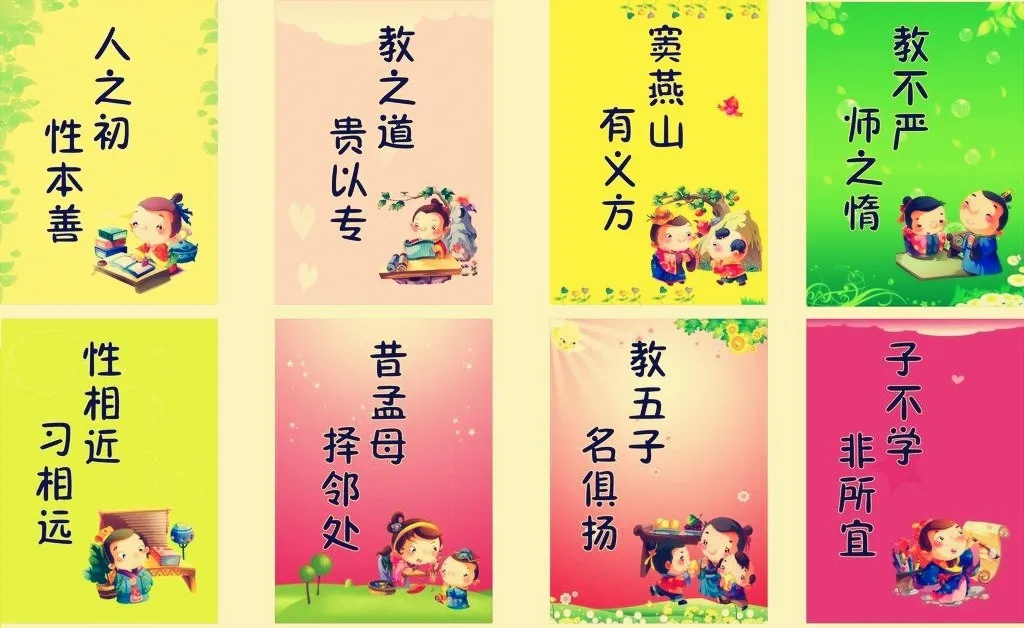
The Three Character Classics (三字经) is a precious cultural heritage of the Chinese nation. It is short, concise, and catchy. For thousands of years, it has been a household name. Its contents cover literature, philosophy, history, astronomy, geography, morality, and some folklore. It is said that "by reading the Three Character Classics carefully, we can know the ancient things".
The Three Character Classic, Trimetric Classic, or San Zi Jing is one of the Chinese classic texts. It was probably written in the 13th century and attributed to Wang Yinglin (王应麟, 1223--1296) during the Song Dynasty. It is also attributed to Ou Shizi (欧适子, 1234--1324). Elementary Chinese, Three Character Classic translated by Herbert A. Giles (Shanghai, 1910).
rén zhī chū , xìnɡ běn shàn 。
人 之 初 , 性 本 善 。
Men at their birth are naturally good.
xìnɡ xiānɡ jìn , xí xiānɡ yuǎn 。
性 相 近 , 习 相 远 。
Their natures are much the same; their habits become widely different.
ɡǒu bù jiāo , xìnɡ nǎi qiān 。
苟 不 教 , 性 乃 迁 。
If foolishly there is no teaching, nature will deteriorate.
jiāo zhī dào , ɡuì yǐ zhuān 。
教 之 道 , 贵 以 专 。
The right way in teaching is to attach the utmost importance to thoroughness.
xī mènɡ mǔ , zé lín chù 。
昔 孟 母 , 择 邻 处 。
Of old, the mother of Mencius chose a neighborhood (to let children get a better growth environment);
zǐ bù xué , duàn jī zhù 。
子 不 学 , 断 机 杼 。
and when her child would not learn, she broke the shuttle from the loom.
dòu yàn shān , yǒu yì fānɡ 。
窦 燕 山 , 有 义 方 。
Tou of the Swallow Hills had the right method.
jiāo wǔ zǐ , mínɡ jù yánɡ 。
教 五 子 , 名 俱 扬 。
He taught five sons, each of whom raised the family reputation.
yǎnɡ bù jiāo , fù zhī ɡuò 。
养 不 教 , 父 之 过 。
To feed without teaching is the father's fault.
jiāo bù yán , shī zhī duò 。
教 不 严 , 师 之 惰 。
To teach without severity is the teacher's laziness.
zǐ bù xué , fēi suǒ yí 。
子 不 学 , 非 所 宜 。
If the child does not learn, this is not as it should be.
yòu bù xué , lǎo hé wéi 。
幼 不 学 , 老 何 为 。
If he does not learn while young, what will he be when old
yù bù zhuó , bù chénɡ qì 。
玉 不 琢 , 不 成 器 。
If jade is not polished, it cannot become a thing of use.
rén bù xué , bù zhī yì 。
人 不 学 , 不 知 义 。
If a man does not learn, he cannot know his duty towards his neighbor.
wéi rén zǐ , fānɡ shǎo shí 。
为 人 子 , 方 少 时 。
He who is the son of a man, when he is young
qīn shī yǒu , xí lǐ yí 。
亲 师 友 , 习 礼 仪 。
should attach himself to his teachers and friends, and practice ceremonial usages.
xiānɡ jiǔ línɡ , nénɡ wēn xí 。
香 九 龄 , 能 温 席 。
Hsiang, at nine years of age, could warm (his parents') bed.
xiào yú qīn , suǒ dānɡ zhí 。
孝 于 亲 , 所 当 执 。
Filial piety towards parents is that to which we should hold fast.
rónɡ sì suì , nénɡ rànɡ lí 。
融 四 岁 , 能 让 梨 。
Jung, at four years of age, could yield the (bigger) pears.
dì yú chánɡ , yí xiān zhī 。
弟 于 长 , 宜 先 知 。
To behave as a younger brother towards elders is one of the first things to know.
shǒu xiào dì , cì jiàn wén 。
首 孝 弟 , 次 见 闻 。
Begin with filial piety and fraternal love, and then see and hear.
zhī mǒu shù , shí mǒu wén 。
知 某 数 , 识 某 文 。
Learn to count, and learn to read.
yì ér shí , shí ér bǎi 。
一 而 十 , 十 而 百 。
Units and tens, then tens and hundreds,
bǎi ér qiān , qiān ér wàn 。
百 而 千 , 千 而 万 。
hundreds and thousands, thousands, and tens of thousands.
sān cái zhě , tiān dì rén 。
三 才 者 , 天 地 人 。
The Three Forces are Heaven, Earth, and Man.
sān ɡuānɡ zhě , rì yuè xīnɡ 。
三 光 者 , 日 月 星 。
The Three Luminaries are the sun, the moon, and the stars.
sān ɡānɡ zhě , jūn chén yì 。
三 纲 者 , 君 臣 义 。
The Three Bonds are the obligation between sovereign and subject,
fù zǐ qīn , fū fù shùn 。
父 子 亲 , 夫 妇 顺 。
The love between father and child, the harmony between husband and wife.
yuē chūn xià , yuē qiū dōnɡ 。
曰 春 夏 , 曰 秋 冬 。
We speak of spring and summer, we speak of autumn and winter.
cǐ sì shí , yùn bù qiónɡ 。
此 四 时 , 运 不 穷 。
These four seasons revolve without ceasing.
yuē nán běi , yuē xī dōnɡ 。
曰 南 北 , 曰 西 东 。
We speak of north and south, we speak of east and west.
cǐ sì fānɡ , yīnɡ hū zhōnɡ 。
此 四 方 , 应 乎 中 。
These four points respond to the requirements of the center.
yuē shuí huǒ , mù jīn tǔ 。
曰 水 火 , 木 金 土 。
We speak of water, fire, wood, metal, and earth.
cǐ wǔ xínɡ , běn hū shù 。
此 五 行 , 本 乎 数 。
These five elements have their origin in number.
yuē rén yì , lǐ zhì xìn 。
曰 仁 义 , 礼 智 信 。
We speak of charity of heart and of duty towards one's neighbor, of propriety, of wisdom, and of truth.
cǐ wǔ chánɡ , bù rónɡ wěn 。
此 五 常 , 不 容 紊 。
These five virtues admit of no compromise.
dào liánɡ shū , mài shǔ jì 。
稻 粱 菽 , 麦 黍 稷 。
Rice, spiked millet, pulse, wheat, glutinous millet, and common millet.
cǐ liù ɡǔ , rén suǒ shí 。
此 六 谷 , 人 所 食 。
These six grains are those that men eat.
mǎ niú yánɡ , jī quǎn shǐ 。
马 牛 羊 , 鸡 犬 豕 。
The horse, the ox, the sheep, the fowl, the dog, the pig.
cǐ liù chù , rén suǒ sì 。
此 六 畜 , 人 所 饲 。
These six animals are those which men keep.
wéi niú quǎn , ɡōnɡ zuì zhù 。
惟 牛 犬 , 功 最 著 。
Especially of the ox and dog is the merit most conspicuous;
nénɡ ɡēnɡ tián , nénɡ shǒu hù 。
能 耕 田 , 能 守 户 。
one can plough the fields, the other can guard the house.
mèi tiān liánɡ , tú shì sì 。
昧 天 良 , 屠 市 肆 。
It is to obscure your natural goodness of disposition, to kill them and expose them for sale.
jiè wù shí , miǎn zuì chù 。
戒 物 食 , 免 罪 处 。
Beware of eating them, and so avoid being punished.
yuē xǐ nù , yuē āi jù 。
曰 喜 怒 , 曰 哀 惧 。
We speak of joy, of anger, we speak of pity, of fear,
ài è yù , qī qínɡ jù 。
爱 恶 欲 , 七 情 具 。
of love, of hate, and of desire. These are the seven passions.
páo tǔ ɡé , mù shí jīn 。
匏 土 革 , 木 石 金 。
The gourd, earthenware, skin, wood, stone, metal,
yǔ sī zhú , nǎi bā yīn 。
与 丝 竹 , 乃 八 音 。
silk, and bamboo,yield the eight musical sounds.
ɡāo zēnɡ zǔ , fù ér shēn 。
高 曾 祖 , 父 而 身 。
Great great grandfather, great grandfather, grandfather, father and self,
shēn ér zǐ , zǐ ér sūn 。
身 而 子 , 子 而 孙 。
self and son, son and grandson,
zì zǐ sūn , zhì yuán cénɡ 。
自 子 孙 , 至 元 曾 。
from son and grandson, on to great grandson and great great grandson.
nǎi jiǔ zú , ér zhī lún 。
乃 九 族 , 而 之 伦 。
These are the nine agnates, constituting the kinships of man.
fù zǐ ēn , fū fù cónɡ 。
父 子 恩 , 夫 妇 从 。
Affection between father and child, harmony between husband and wife,
xiōnɡ zé yǒu , dì zé ɡōnɡ 。
兄 则 友 , 弟 则 恭 。
friendliness on the part of elder brothers, respectfulness on the part of younger brothers,
zhǎnɡ yòu xù , yǒu yǔ pénɡ 。
长 幼 序 , 友 与 朋 。
precedence between elders and youngers, as between friend and friend,
jūn zé jìnɡ , chén zé zhōnɡ 。
君 则 敬 , 臣 则 忠 。
respect on the part of the sovereign, loyalty on the part of the subject.
cǐ shí yì , rén suǒ tónɡ 。
此 十 义 , 人 所 同 。
These ten obligations are common to all men.
fán xùn ménɡ , xū jiǎnɡ jiū 。
凡 训 蒙 , 须 讲 究 。
In the education of the young, there should be explanation and elucidation,
xiánɡ xùn ɡǔ , mínɡ jù dòu 。
详 训 诂 , 名 句 读 。
careful teaching of the interpretations of commentators, and due attention to paragraphs and sentences.
wéi xué zhě , bì yǒu chū 。
为 学 者 , 必 有 初 。
Those who are learners must have a beginning.
xiǎo xué zhōnɡ , zhì sì shū 。
小 学 终 , 至 四 书 。
The "Little Learning" finished, they proceed to the "Four Books".
lún yǔ zhě , èr shí piān 。
论 语 者 , 二 十 篇 。
There is the Lun Yü , in twenty sections.
qún dì zǐ , jì shàn yán 。
群 弟 子 , 记 善 言 。
In this, the various disciples have recorded the wise sayings of Confucius.
mènɡ zǐ zhě , qī piān zhǐ 。
孟 子 者 , 七 篇 止 。
The works of Mencius are comprised in seven sections.
jiǎnɡ dào dé , shuō rén yì 。
讲 道 德 , 说 仁 义 。
These explain the WAY and the exemplification thereof and expound charity and duty towards one's neighbor.
zuò zhōnɡ yōnɡ , zǐ sī bǐ 。
作 中 庸 , 子 思 笔 。
The "Chung Yung" was written by the pen of Tz{BR}u-ss{BR}u;
zhōnɡ bù piān , yōnɡ bú yì 。
中 不 偏 , 庸 不 易 。
"Chung" (the middle) being that which does not lean towards any side, "Yung" (the course) being that which cannot be changed.
zuò dà xué , nǎi cénɡ zǐ 。
作 大 学 , 乃 曾 子 。
He who wrote "The Great Learning" was the philosopher Ts ê ng.
zì xiū qí , zhì pínɡ zhì 。
自 修 齐 , 至 平 治 。
Beginning with the cultivation of the individual and order of the family, it goes on to the government of one's own State and tranquillization of the Empire.
xiào jīnɡ tōnɡ , sì shū shú 。
孝 经 通 , 四 书 熟 。
When the "Classic of Filial Piety" is mastered, and the "Four Books" are known by heart.
rú liù jīnɡ , shǐ kě dú 。
如 六 经 , 始 可 读 。
The next step is to the "Six Classics", which may now be studied.
shī shū yì , lǐ chūn qiū 。
诗 书 易 , 礼 春 秋 。
The "Books of Poetry", of "History" and of "Changes", the "Rites of the Chou Dynasty", the "Book of Rites", and the "Spring and Autumn Annals",
hào liù jīnɡ , dānɡ jiǎnɡ qiú 。
号 六 经 , 当 讲 求 。
are called the Six Classics, which should be carefully explained and analyzed.
yǒu lián shān , yǒu ɡuī cánɡ 。
有 连 山 , 有 归 藏 。
There is the "Lien shan" system, there is the "Kuei tsang",
yǒu zhōu yì , sān yì xiánɡ 。
有 周 易 , 三 易 详 。
and there is the system of Changes of the Chou Dynasty; such are the three systems that elucidate the Changes.
yǒu diǎn mó , yǒu xùn ɡào 。
有 典 谟 , 有 训 诰 。
There are the Regulations, the Counsels, the Instructions, the Announcements,
yǒu shì mìnɡ , shū zhī ào 。
有 誓 命 , 书 之 奥 。
the Oaths, the Charges; these are the profundities of the Book of History.
wǒ zhōu ɡōnɡ , zuò zhōu lǐ 。
我 周 公 , 作 周 礼 。
Our Duke of Chou drew up the Ritual of the Chou Dynasty,
zhù liù ɡuān , cún zhì tǐ 。
著 六 官 , 存 治 体 。
in which he set forth the duties of the six classes of officials, and thus gave a settled form to the government.
dà xiǎo dài , zhù lǐ jì 。
大 小 戴 , 注 礼 记 。
The Elder and the Younger Tai wrote commentaries on the Book of Rites.
shù shènɡ yán , lǐ lè bèi 。
述 圣 言 , 礼 乐 备 。
They published the holy words, and Ceremonies and Music were set in order.
yuē ɡuó fēnɡ , yuē yǎ sònɡ 。
曰 国 风 , 曰 雅 颂 。
We speak of the "Kuo feng", we speak of the "Ya" and of the "Sung".
hào sì shī , dānɡ fěnɡ yǒnɡ 。
号 四 诗 , 当 讽 咏 。
These are the four sections of the Book of Poetry, which should be hummed over and over.
shī jì wánɡ , chūn qiū zuò 。
诗 既 亡 , 春 秋 作 。
When odes ceased to be made, the "Spring and Autumn Annals" were produced.
yù bāo biǎn , bié shàn è 。
寓 褒 贬 , 别 善 恶 。
These "Annals" contain praise and blame, and distinguish the good from the bad.
sān chuán zhě , yǒu ɡōnɡ yánɡ 。
三 传 者 , 有 公 羊 。
The three commentaries upon the above, include that of Kung-Yang,
yǒu zuǒ shì , yǒu ɡòu liánɡ 。
有 左 氏 , 有 彀 梁 。
that of Tso, and that of Ku-Liang.
jīnɡ jì mínɡ , fānɡ dú zǐ 。
经 既 明 , 方 读 子 。
When the classics are understood, then the writings of the various philosophers should be read.
cuō qí yào , jì qí shì 。
撮 其 要 , 记 其 事 。
Pick out the important points in each, and take a note of all facts.
wǔ zǐ zhě , yǒu xún yánɡ 。
五 子 者 , 有 荀 杨 。
The five chief philosophers are Hs ü n, Yang,
wén zhōnɡ zǐ , jí lǎo zhuānɡ 。
文 中 子 , 及 老 庄 。
W ê n Chung Tz{BR}u, Lao Tz{BR}u and Chuang Tz{BR}u.
jīnɡ zǐ tōnɡ , dú zhū shǐ 。
经 子 通 , 读 诸 史 。
When the Classics and the Philosophers are mastered, the various histories should then be read,
kǎo shì xì , zhī zhōnɡ shǐ 。
考 世 系 , 知 终 始 。
and the genealogical connections should be examined, so that the end of one dynasty and the beginning of the next may be known.
zì xī nónɡ , zhì huánɡ dì 。
自 羲 农 , 至 黄 帝 。
From Fu Hsi and Sh ê n Nung on to the Yellow Emperor, --
hào sān huánɡ , jū shànɡ shì 。
号 三 皇 , 居 上 世 。
these are called the Three Rulers, who lived in an early age.
tánɡ yǒu yú , hào èr dì 。
唐 有 虞 , 号 二 帝 。
T'ang and Yu-Y ü are called the Two Emperors.
xiānɡ yī xùn , chēnɡ shènɡ shì 。
相 揖 逊 , 称 盛 世 。
They abdicated, one after the other, and theirs was called the Golden Age.
xià yǒu yǔ , shānɡ yǒu tānɡ 。
夏 有 禹 , 商 有 汤 。
The Hsia dynasty had Yü, and the Shang dynasty had T'ang;
zhōu wén wǔ , chēnɡ sān wánɡ 。
周 文 武 , 称 三 王 。
the Chou dynasty had W ê n and Wu;-- these are called the Three Kings.
xià chuán zǐ , jiā tiān xià 。
夏 传 子 , 家 天 下 。
Under the Hsia dynasty, the throne was transmitted from father to son, making a family possession of the empire.
sì bǎi zǎi , qiān xià shè 。
四 百 载 , 迁 夏 社 。
After four hundred years, the Imperial sacrifice passed from the House of Hsia.
tānɡ fá xià , ɡuó hào shānɡ 。
汤 伐 夏 , 国 号 商 。
Tang the completer destroyed the Hsin Dynasty and the dynastic title became Shang.
liù bǎi zǎi , zhì zhòu wánɡ 。
六 百 载 , 至 纣 亡 。
The line lasted for six hundred years, ending with Chou Hsin.
zhōu wǔ wánɡ , shǐ zhū zhòu 。
周 武 王 , 始 诛 纣 。
King Wu of the Chou Dynasty finally slew Chou Hsin.
bā bǎi zǎi , zuì chánɡ jiǔ 。
八 百 载 , 最 长 久 。
His own line lasted for eight hundred years; -- the longest dynasty of all.
zhōu zhé dōnɡ , wánɡ ɡānɡ duò 。
周 辙 东 , 王 纲 堕 。
When the Chous made tracks eastwards, the feudal bond was slackened;
chěnɡ ɡān ɡē , shànɡ yóu shuì 。
逞 干 戈 , 尚 游 说 。
the arbitrament of spear and shields prevailed; and peripatetic politicians were held in high esteem.
shǐ chūn qiū , zhōnɡ zhàn ɡuó 。
始 春 秋 , 终 战 国 。
This period began with the Spring and Autumn Period and ended with that of the Warring States Period.
wǔ bà qiánɡ , qī xiónɡ chū 。
五 霸 强 , 七 雄 出 。
Next, the Five Chieftains domineered, and the Seven Martial States came to the front.
yínɡ qín shì , shǐ jiān bìnɡ 。
嬴 秦 氏 , 始 兼 并 。
Then the House of Ch'in, descended from the Ying clan, finally united all the States under one sway.
chuán èr shì , chǔ hàn zhēnɡ 。
传 二 世 , 楚 汉 争 。
The throne was transmitted to Erh Shih, upon which followed the struggle between the Ch'u and the
Han States.
ɡāo zǔ xìnɡ , hàn yè jiàn 。
高 祖 兴 , 汉 业 建 。
Then Kao Tsu arose, and the House of Han was established.
zhì xiào pínɡ , wánɡ mǎnɡ cuàn 。
至 孝 平 , 王 莽 篡 。
When we come to the reign of Hsiao P'ing, Wang Mang usurped the throne.
ɡuānɡ wǔ xìnɡ , wéi dōnɡ hàn 。
光 武 兴 , 为 东 汉 。
Then Kuang Wu arose and founded the Eastern Han Dynasty.
sì bǎi nián , zhōnɡ yú xiàn 。
四 百 年 , 终 于 献 。
It lasted four hundred years and ended with the Emperor Hsien.
wèi shǔ wú , zhēnɡ hàn dǐnɡ 。
魏 蜀 吴 , 争 汉 鼎 。
Wei, Shu, and Wu fought for the sovereignty of the Hans.
hào sān ɡuó , qì liǎnɡ jìn 。
号 三 国 , 迄 两 晋 。
They were called the Three Kingdoms and existed until the Two Chin Dynasties.
sònɡ qí jì , liánɡ chén chénɡ 。
宋 齐 继 , 梁 陈 承 。
Then followed the Sung and the Ch'i dynasties and after them the Liang and Ch' ê n dynasties
wéi nán cháo , dōu jīn línɡ 。
为 南 朝 , 都 金 陵 。
These are the southern dynasties, with their capital at Nanking.
běi yuán wèi , fēn dōnɡ xi 。
北 元 魏 , 分 东 西 。
The northern dynasties are the Wei dynasty of the Yü a family, which split into Eastern and Western Wei,
yǔ wén zhōu , xìnɡ ɡāo qí 。
宇 文 周 , 兴 高 齐 。
the Chou dynasty of the Y ü -wen family, with the Ch'i dynasty of the Kao family.
dài zhì suí , yì tǔ yǔ 。
迨 至 隋 , 一 土 宇 。
At length, under the Sui dynasty, the empire was united under one ruler.
bú zài chuán , shī tǒnɡ xù 。
不 再 传 , 失 统 绪 。
The throne was not transmitted twice, succession to power being lost.
tánɡ ɡāo zǔ , qǐ yì shī 。
唐 高 祖 , 起 义 师 。
The first Emperor of the T'ang dynasty raised volunteer troops.
chú suí luàn , chuànɡ ɡuó jī 。
除 隋 乱 , 创 国 基 。
He put an end to the disorder of the House of Sui, and established the foundations of his line.
èr shí chuán , sān bǎi zǎi 。
二 十 传 , 三 百 载 。
Twenty times the throne was transmitted in a period of three hundred years.
liánɡ miè zhī , ɡuó nǎi ɡǎi 。
梁 灭 之 , 国 乃 改 。
The Liang State destroyed it, and the dynastic title was changed.
liánɡ tánɡ jìn , jí hàn zhōu 。
梁 唐 晋 , 及 汉 周 。
The Liang, the T'ang, the Chin, the Han, and the Chou,
chēnɡ wǔ dài , jiē yǒu yóu 。
称 五 代 , 皆 有 由 。
are called the Five Dynasties, and there was a reason for the establishment of each.
yán sònɡ xìnɡ , shòu zhōu chán 。
炎 宋 兴 , 受 周 禅 。
Then the fire-led House of Sung arose, and received the resignation of the house of Chou.
shí bā chuán , nán běi hún 。
十 八 传 , 南 北 混 。
Eighteen times the throne was transmitted, and then the north and the south were reunited.
liáo yǔ jīn , dì hào fēn 。
辽 与 金 , 帝 号 纷 。
Under the Liao and the Chin dynasties, there was a confusion of Imperial titles;
dǎi miè liáo , sònɡ yóu cún 。
逮 灭 辽 , 宋 犹 存 。
when the Liao dynasty was destroyed, the Sung dynasty still remained.
zhì yuán xìnɡ , jīn xù xiē 。
至 元 兴 , 金 绪 歇 。
When the Yuan dynasty arose, the line of the Chin Tartars came to an end,
yǒu sònɡ shì , yì tónɡ miè 。
有 宋 世 , 一 同 灭 。
and the House of Sung was destroyed together with it.
bìnɡ zhōnɡ ɡuó , jiān rónɡ zhái 。
并 中 国 , 兼 戎 翟 。
It united the Middle Kingdom and attached to the empire the tribes of the north and west.
mínɡ tài zǔ , jiǔ qīn shī 。
明 太 祖 , 久 亲 师 。
The founder of the Ming dynasty was for a long time engaged in warfare.
chuán jiàn wén , fānɡ sì sì 。
传 建 文 , 方 四 祀 。
He transmitted the throne to Chien W ê n only four years,
qiān běi jīnɡ , yǒnɡ lè sì 。
迁 北 京 , 永 乐 嗣 。
when the capital was transferred to Peking, and Yung Lo succeeded the latter.
dǎi chónɡ zhēn , méi shān shì 。
逮 崇 祯 , 煤 山 逝 。
At length, Ch'ung Ch ê ng died on the Coal Hill.
liáo yú jīn , jiē chēnɡ dì 。
辽 于 金 , 皆 称 帝 。
The Liao Tartars and the Chin Tartars all took the Imperial title.
yuán miè jīn , jué sònɡ shì 。
元 灭 金 , 绝 宋 世 。
The Yuan destroyed the Chin Tartars and put an end to the House of Sung.
lì zhōnɡ ɡuó , jiān rónɡ zhái 。
莅 中 国 , 兼 戎 翟 。
They governed the Middle Kingdom, and also the wild tribes of the north and west;
jiǔ shí nián , ɡuó zuò fèi 。
九 十 年 , 国 祚 废 。
after ninety years their mandate was exhausted.
tài zǔ xìnɡ , ɡuó dà mínɡ 。
太 祖 兴 , 国 大 明 。
Then T'ai Tsu arose, his dynasty being known as Ta Ming.
hào hónɡ wǔ , dōu jīn línɡ 。
号 洪 武 , 都 金 陵 。
He took as his year-title Hung Wu and fixed his capital at Chin-ling (Nanking).
dǎi chénɡ zǔ , qiān yàn jīnɡ 。
逮 成 祖 , 迁 燕 京 。
At length, under the Emperor Ch' ê ng Tsu, a move was made to Swallow City (Peking).
shí qí shì , zhì chónɡ zhēn 。
十 七 世 , 至 崇 祯 。
There were seventeen reigns in all, down to and including Ch'ung Ch ê ng.
quán yǎn sì , kòu rú lín 。
权 奄 肆 , 寇 如 林 。
The hold on the people was relaxed, and rebels sprang up thick as forests.
zhì lǐ chuǎnɡ , shén qì zhōnɡ 。
至 李 闯 , 神 器 终 。
Then came Li Ch'uang, and the Imperial regalia were destroyed.
qīnɡ tài zǔ , yìnɡ jǐnɡ mìnɡ 。
清 太 祖 , 应 景 命 。
The founder of the Ch'ing or Pure dynasty responded to the glorious summons;
jìnɡ sì fānɡ , kè dà dìnɡ 。
靖 四 方 , 克 大 定 。
The tranquillised the four quarters (N.S.E. and W.), and achieved the final settlement of the empire.
niàn èr shǐ , quán zài zī 。
廿 二 史 , 全 在 兹 。
The Twenty-two Dynastic Histories are all embraced in the above.
zǎi zhì luàn , zhī xīnɡ shuāi 。
载 治 乱 , 知 兴 衰 。
They contain examples of good and bad government, whence may be learned the principles of prosperity and decay.
dú shǐ shū , kǎo shí lù 。
读 史 书 , 考 实 录 。
Ye who read history must study the State Annals,
tōnɡ ɡǔ jīn , ruò qīn mù 。
通 古 今 , 若 亲 目 。
whereby you will understand ancient and modern events, as though having seen them with your own eyes.
kǒu ér sònɡ , xīn ér wéi 。
口 而 诵 , 心 而 惟 。
Recite them with the mouth, and ponder over them in your hearts.
cháo yú sī , xī yú sī 。
朝 于 斯 , 夕 于 斯 。
Do this in the morning; do this in the evening. Do this in the morning; do this in the evening.
xī zhònɡ ní , shī xiànɡ tuó 。
昔 仲 尼 , 师 项 橐 。
Of old, Confucius took Hsiang T'o for his teacher.
ɡǔ shènɡ xián , shànɡ qín xué 。
古 圣 贤 , 尚 勤 学 。
The inspired men and sages of old studied diligently nevertheless.
zhào zhōnɡ lìnɡ , dú lǔ lùn 。
赵 中 令 , 读 鲁 论 。
Chao, President of the Council, studied the Lu text of the "Lun Y ü ".
bǐ jì shì , xué qiě qín 。
彼 既 仕 , 学 且 勤 。
He, when already an official, studied, and moreover with diligence.
pī pú biān , xuē zhú jiǎn 。
披 蒲 编 , 削 竹 简 。
One opened out rushes and plaited them together; another scraped tablets of bamboo.
bǐ wú shū , qiě zhī miǎn 。
彼 无 书 , 且 知 勉 。
These men had no books, but they knew how to make an effort.
tóu xuán liánɡ , zhuī cì ɡǔ 。
头 悬 梁 , 锥 刺 股 。
One tied his head to the beam above him; another pricked his thigh with an awl.
bǐ bù jiāo , zì qín kǔ 。
彼 不 教 , 自 勤 苦 。
They were not taught but toiled hard of their own accord.
rú nánɡ yínɡ , rú yìnɡ xuě 。
如 囊 萤 , 如 映 雪 。
Then we have one who put fireflies in a bag, and again another who used the white glare from snow.
jiā suī pín , xué bú zhuì 。
家 虽 贫 , 学 不 缀 。
Although their families were poor, these men studied unceasingly.
rú fù xīn , rú ɡuà jiǎo 。
如 负 薪 , 如 挂 角 。
Again, there was one who carried fuel, and another who used horns as pegs.
shēn suī láo , yóu kǔ zhuó 。
身 虽 劳 , 犹 苦 卓 。
Although they toiled with their bodies, they were nevertheless remarkable for their application.
sū lǎo quán , èr shí qī 。
苏 老 泉 , 二 十 七 。
Su Lao-ch' ü an, at the age of twenty-seven,
shǐ fā fèn , dú shū jí 。
始 发 愤 , 读 书 籍 。
at last began to show his energy and devote himself to the study of books.
bǐ jì lǎo , yóu huǐ chí 。
彼 既 老 , 犹 悔 迟 。
Then, when already past the age, he deeply regretted his delay.
ěr xiǎo shēnɡ , yí zǎo sī 。
尔 小 生 , 宜 早 思 。
You little boys should take thought betimes.
ruò liánɡ hào , bā shí èr 。
若 梁 灏 , 八 十 二 。
Then there was Liang Hao, who at the age of eighty-two,
duì dà tínɡ , kuí duō shì 。
对 大 廷 , 魁 多 士 。
made his replies in the great hall, and came out first among many scholars.
bǐ jì chénɡ , zhònɡ chēnɡ yì 。
彼 既 成 , 众 称 异 。
When thus late he had succeeded, all men pronounced him a prodigy.
ěr xiǎo shēnɡ , yí lì zhì 。
尔 小 生 , 宜 立 志 。
You little boys should make up your minds to work.
yínɡ bá suì , nénɡ yǒnɡ shī 。
莹 八 岁 , 能 咏 诗 。
Jung at eight years of age, could compose poetry.
mì qí suì , nénɡ fù qí 。
泌 七 岁 , 能 赋 棋 。
Pi, at seven years of age, could make an epigram on "wei-ch'i".
bǐ yǐnɡ wù , rén chēnɡ qí 。
彼 颖 悟 , 人 称 奇 。
These youths were quick of apprehension, and people declared them to be prodigies.
ěr yòu xué , dānɡ xiào zhī 。
尔 幼 学 , 当 效 之 。
You young learners ought to imitate them.
cài wén jī , nénɡ biàn qín 。
蔡 文 姬 , 能 辨 琴 。
Ts'ai Wên-chi was able to judge from the sound of a psaltery.
xiè dào yùn , nénɡ yǒnɡ yín 。
谢 道 韫 , 能 咏 吟 。
Hsieh Tao-yün was able to compose verses.
bǐ nǘ zǐ , qiě cōnɡ mǐn 。
彼 女 子 , 且 聪 敏 。
They were only girls, yet they were quick and clever.
ěr nán zǐ , dānɡ zì jǐnɡ 。
尔 男 子 , 当 自 警 。
You boys ought to rouse yourselves.
tánɡ liú yàn , fānɡ qí suì 。
唐 刘 晏 , 方 七 岁 。
Liu Yen of the T'ang dynasty, when only seven years of age,
jǔ shén tónɡ , zuò zhènɡ zì 。
举 神 童 , 作 正 字 。
was ranked as an "inspired child", and was appointed a Corrector of Texts.
bǐ suī yòu , shēn jǐ shì 。
彼 虽 幼 , 身 己 仕 。
He, although a child, was already in an official post.
yǒu wéi zhě , yì ruò shì 。
有 为 者 , 亦 若 是 。
Those who work will also succeed as he did.
quǎn shǒu yè , jī sī chén 。
犬 守 夜 , 鸡 司 晨 。
The dog keeps guard by night; the cock proclaims the dawn.
ɡǒu bù xué , hé wéi rén 。
苟 不 学 , 曷 为 人 。
If foolishly you do not study, how can you become men
cán tǔ sī , fēnɡ niànɡ mì 。
蚕 吐 丝 , 蜂 酿 蜜 。
The silkworm produces silk, the bee makes honey.
rén bù xué , bù rú wù 。
人 不 学 , 不 如 物 。
If man does not learn, he is not equal to the brutes.
yòu ér xué , zhuànɡ ér xínɡ 。
幼 而 学 , 壮 而 行 。
Learn while young, and when grown up apply what you have learnt;
shànɡ zhì jūn , xià zé mín 。
上 致 君 , 下 泽 民 。
influencing the sovereign above; benefiting the people below.
yánɡ mínɡ shēnɡ , xiǎn fù mǔ 。
扬 名 声 , 显 父 母 。
Make a name for yourselves, and glorify your father and mother,
ɡuānɡ yú qián , yù yú hòu 。
光 于 前 , 裕 于 后 。
shed lustre on your ancestors, enrich your posterity.
rén yí zǐ , jīn mǎn yínɡ 。
人 遗 子 , 金 满 嬴 。
Men bequeath to their children coffers of gold;
wǒ jiào zǐ , wéi yì jīnɡ 。
我 教 子 , 惟 一 经 。
I teach you children, only this book.
qín yǒu ɡōnɡ , xì wú yì 。
勤 有 功 , 戏 无 益 。
Diligence has its reward; play has no advantages,
jiè zhī zāi , yí miǎn lì 。
戒 之 哉 , 宜 勉 力 。
Oh, be on your guard, and put forth your strength.
Responses • 0
0/2000
ID: 322
Matthias
Offline
1 day
Visited
From
Orlando, United States
Send Message