Chinese TV Series You Should not Miss
Original
Learn Chinese
May 03 • 459 read
We have selected six Chinese TV Series for you to watch and help you learn Chinese more entertainingly.
Many students look for entertaining ways to learn Mandarin because sometimes regular learning ways can be boring. Well, there is a way, and that is learning the language through Chinese television series.
Watching TV shows can teach students many famous and authentic words or sentences in vivid situations to help them increase their vocabulary and understand sentences or words better.
At the same time, the TV series delver a story with cultural information, which helps students to know China more. What is more, by listening to how the actors and actresses talk, also it can help with one’s accent and pronunciation.
We have selected six programs for you to watch and help you learn Chinese more entertainingly.
Guidelines for Learning Chinese through Watching a TV Series:
1. The important thing is to understand and enjoy what you are watching. This can give you the context for when the Mandarin words you hear could be used.
2. Write down sentences or words you are interested in and then try to understand it according to the context, or ask your Chinese language teacher or friends for explanations.
3. A review is essential before watching the next episode; you should review the words or sentences you have learned before, because it may help you understand the plot better.
4. Write down your questions about this TV series, and discuss with Chinese people about your questions. It will help you to understand the conflicts shown in the series.
5. If you have time, re-watch the episode. You may learn new words or sentences the second or third time around.
Now, let’s go through the programs.
虎妈猫爸(Hǔ mā māo bà)Tiger Mom and Cat Dad
Tags:Life, Love, Family, Child, Education Conflict
One sentence to explain the show:Children is the future.
Outline:This story emphasizes the value of education, which is usual among Chinese parents today. The two parental characters embody the Strict Tiger Mom and the Unruffled Cat Dad, and the conflict between them is on how to raise their kids.
Other Comments:
Vincent Ni of BBC Chinese says: “Cat Dad favors a soft approach to kid’s education, while Tiger Mom believes that education is not an essay process,” ‘It has been a long time since Chinese television aired such a drama that captured the two conflicting education philosophies so well.’
Culture and customs: You will see modern Chinese family culture; the Chinese educational situation; how people attach a moral to a name, like a heroine “毕胜男” which means doing better than a man.
Other suggestions:
1. Learn something about Chinese education and the view parents has about education.
2. After watching, you may ask yourself, ‘If I was one of the patents, what would I do about my child?’ Do you think kids should always go to the best school? Will you do everything for your kid to get quality education? What kind of individual would you want your kids to be? Try discussing with your friends about your opinions, better if you do so in Chinese.
小别离(Xiǎo biélí)’ A Love for Separation.’
Tags:Education Reality, Family, Study abroad, Child
One sentence to express it:Anxious parents, anxious kids.
Outline:It describes three families who are faced with the adolescent problems of their children, including the chance they get to study abroad. It almost accurately reflects the reality of the relationship between kids and parents in China and shows the anxiety between children and parents nowadays.
Culture and customs: You will see the Chinese education system, the three typical Chinese families, the life of Chinese students, the relationship between parents and children, the phenomenon of studying abroad, some city features of China.
Other Tips:
1. You will learn something about the Chinese education system.
2. After watching, you may ask yourself: What do I think going for studying abroad? If you are one of the three teenagers, who would, I want to be, and why? If you are the father or mother, then what will you do? How do you sense about the idea of ‘going abroad to gild your future?
咱们结婚吧 (Zánmen jiéhūn ba) ‘Let’s get Married.’
Tags: Love, Marriage, left-over woman, Dream
One sentence to express it: It's never too late for true love.
Outline:It expresses a romantic and dramatized love story between a ‘Golden left-over woman,’ a single woman with a job but above the normal matrimonial age and a man who has a fear of commitment. Besides the main love line, also there are other interesting stories about other minor roles, which make this program pleasant.
Culture and customs: study about the social phenomenon of ‘left-over’ women or men and the attitudes towards them in China; views about marriage from the young adult to the old; and how to accomplish a marriage; how to balance between one’s marriage and dreams.
Other Tips:
1. Learn about traditional Chinese marriage and compare it with what you have learned from the program after watching.
2. After watching, you could find yourself thinking: What is your perfect age for marriage? Do you feel like you are the “left-over woman or man”?Do you believe marriage is important? What is a harmonious and happy marriage? What if your dream clashes with your marriage? Also, You can talk with your friends about these questions. Of course, try your best to debate it in Chinese.
蜗居(Wōjū)Dwelling Narrowness
Tags: Marriage, Love, Life, Dream, Ethics, Reality
A sentence to define it:One must drink as one brew.
Outline:It emphases on the living status of general workers. This story happened during a time of rising housing prices. The two sisters' work-life is changed totally after the older sister decided to buy a house. This program increases many social issues because it reflects today’s cruel reality.
Culture and customs: Learn about life for ordinary people who want to earn a better life under this harsh reality; know how some people value money nowadays and show you the face of China from a different perspective.
Other Instructions:
After watching, you might think: Is having a house important? What is your view about the older sister, and how do you feel about the younger one? What will you do if you were facing the same situation? Who are your much-loved characters, and why? Maybe you have other questions, so write them on paper when watching, and discuss those questions with your Chinese.
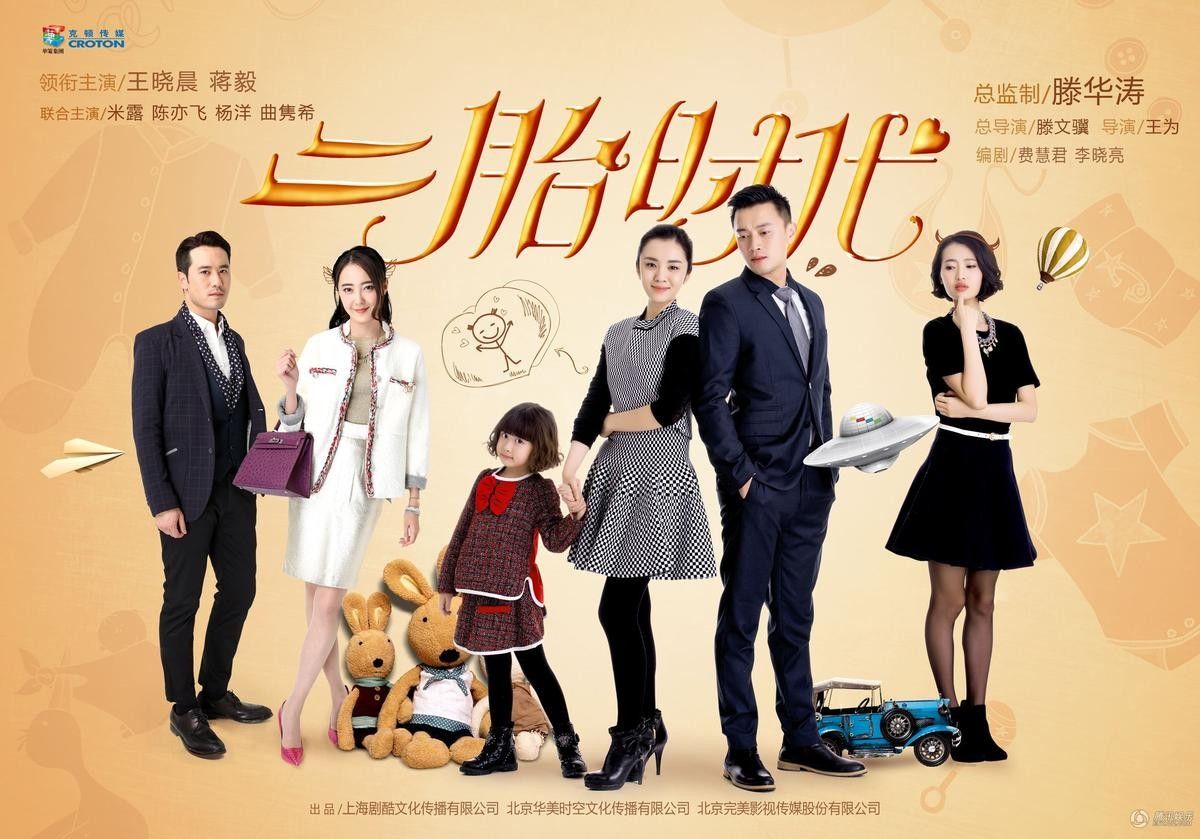
二胎时代(Èrtāi shídài)The Two-Generation Era
Tags:Two-child Policy, Family, Life, Pressure
One sentence to define it:Everything will be fine, although there will be lots of ups and downs.
Outline:It tells a story about an ordinary young couple’s life who wants to have one more child, but they get into many problems. This program indicates the pressure on couples who wish to one more child. It also expresses viewers something about the ‘Two-child Policy.’
Culture and customs: Young couple’s living situation; ‘Two-child Policy’ and understanding about delivering children.
Other Tips:
1. Try to learn something about China's‘ One-child Policy’ and ‘Two-child Policy’ before watching. This will assist you to appreciate this program.
2. After watching, you might think: Is it essential for China to issue a “Two-child Policy”? If you were the leading characters, what would you do, have one more kid or not? The situation in your country may be different from that in China, so compare it, and talk with your Chinese friends about it.
AA制生活(AA zhì shēnghuó)AA lifestyle
Tags: the Post-80s, Family, Life, Love
One sentence to define it: To be or not to be, that is the question.
Outline:This story is about young couples who have new opinions about marriage and life. They are influenced by the pressures of the world and their views about “AA”; they choose a different type of marriage as against traditional marriage. Because of that, they faced conflict in their lives, but they overcome their difficulties until they reach a happy life.
Culture and customs: the Post-80s couple’s living situation and social pressures; what is the ‘AA Style’ in marriage; the conflicts between different generations.
Other Tips:
1. Try to learn something about ‘the Post-80s’ of China before watching. This will assist you in understanding the program.
2. After watching, you might think: How do you feel about ‘AA Style’? How would you balance money if you get married someday? What is the function of finance in a marriage? And what is a good marriage, in your opinion? Find your friends and discuss your views with them.
Do not pressure or rush yourself to learn all the sentences and words in the episodes you watch. First, enjoy them, and then learn several words or sentences you want to know. In this way, you may understand the sentences or words better, and it will help you to adance your Chinese. Finally, watch the episodes again for better understanding and consolidation of what you learned the first time.
Responses • 0
0/2000
ID: 322
Matthias
Offline
2 day
Visited
From
Orlando, United States
Send Message