Chinese New Year Red Envelopes
Original
Chinese Festival
Dec 10 • 1459 read
Red envelopes are the most common gift given during Chinese New Year; they are also given for weeding and birthdays, and on other special occasions.
Chinese New Year, which is also known as the Lunar New Year is the biggest holiday in China, in many other countries in Asia, and for the communities of Chinese people who live all over the world. The celebrations include family gatherings, decoration, lots of delicious food, gift-giving, visiting relatives and friends. The celebrations typically last for 15 days, so it is like the winter holidays of Christmas, Hanukkah, and New Year’s Eve all rolled into one. The origin of Lunar New Year is like those of Christmas and Hanukkah, which are thousands of years old. It is a time of hope, and Chinese people focused on setting the stage for a New Year filled with good fortune, happiness, and prosperity. Most of the traditions and rituals associated with the holiday involve a clean slate and new beginnings.
The Chinese New Year is not on the same day every year because holidays usually follow the lunar calendar, which follows the phases of the moon. The traditional Chinese month begins with new moon invisible in the night sky, and the days follow the moon as it waxes, or grows bigger. The full moon specifies the middle of the month, then begins to grow smaller, until it disappears, marking a new moon and a new month.
The importance of Chinese red envelope (Hóngbāo)
/fit-in/0x0/img/201912/Chinese_New_Year_Red_Envelopes_2-article-1575947395.jpg)
People often ask ‘what is the Chinese New Year red envelope meaning?.’ A red envelope is simply a narrow, long, red envelope. Traditionally, red envelopes are often decorated with gold Chinese characters, such as wealth and happiness. Variations include red envelopes with cartoon characters portrayed and red envelopes from stores and companies that contain coupons and gift certificates inside. Red envelopes are an iconic symbol of Chinese New Year, and a way to build and cement the relationship between family and friends at the start of the New Year. Red envelopes are the most common gift given during Chinese New Year; they are also given for weeding and birthdays, and on other special occasions.
The History of Red envelopes
The red envelopes are typically decorated with symbols of prosperity and good luck, though no one knows precisely how this happy tradition came about. One possible origin of red envelopes suggested by the Legend of Ang Pow from the Song dynasty is that evil, the dragon-like monster was terrorizing the villagers of Chang-Chieu, but no one was able to drive or kill it. The villagers were living in fear, but one day Ang Pow slew the creature with his magic saber named Ma Dao. The elders of Chang-Chieu village gave Ang Pow a red envelope filled with money as gratitude and in the of warding off evil into the future. Since that day, the Chinese red envelope seen as a way of driving off unlucky spirits. The practice of giving red envelopes during Chinese New Year probably originated in the Qing dynasty. The Qing dynasty was established in 1636 and most of the Han people (whose traditions include celebrating the New Year) were appointed into official positions. The Qing rulers respected Han culture, rituals, and traditions like giving children coins tied together by a red thread for Chinese New Year were gradually adopted widely. Eventually, the practice evolved into the red envelopes that are given today.
Red envelopes in the Present
During Chinese New Year, Chinese people put money inside of red envelopes which are then given to children and young adults by their parents, grandparents, relatives, and even close friends and neighbors. Also, some companies give red envelopes to their workers in the form of a year-end cash bonus tucked inside a red envelope.
Typically, red envelopes given at Chinese New Year are left unsigned. For weddings or birthdays, a short message, typically a four-character expression, and signature are optional. Grandparents give red envelopes to their grandchildren when they visit to celebrate the New Year. Sometimes married couples give red envelopes to unmarried relatives as a way of demonstrating that they are in a place to share their blessings; also adult children may give red envelopes holding a gift to parents as a sign of respect.
Red envelopes packets may also be given during visits to the homes of friends and relatives on New Year Day as a way of wishing them good luck and prosperity in the year ahead. These are usually placed in the Tray of Togetherness. The tradition of giving red envelopes was once practiced only in China to mark the beginning of New Year has spread into Japan and Vietnam, and many families celebrate the Chinese New Year in the United States, United Kingdom and Canada too. Wherever they are given, red envelopes always contain an auspicious amount of money and are never marked with the giver name. The money inside red envelopes should always be new.
The Color
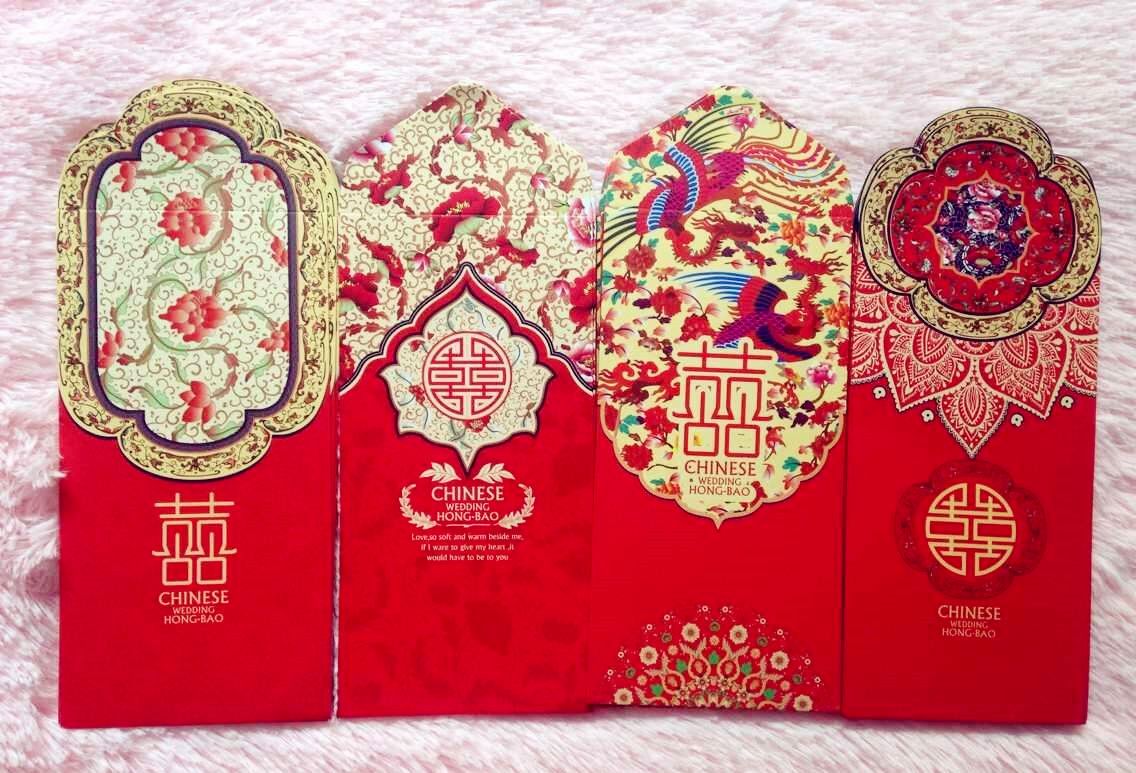
During Chinese New Year, it is common to see red colors everywhere: red envelopes, red clothing, and red candies. Red, however, is an essential color in Chinese culture year-round. Red is related to fire, with happy and exciting celebrations. This is why you will see the red color of Chinese wedding invitations. Red-dyed eggs are used to celebrate the birth of a new baby. When a new business is established, friends will send potted plants draped in red banners. Red symbolizes good fortune and luck that is why red envelopes are used during Chinese New Year and other celebratory events. Other colors of envelopes are used for other types of occasions such as white envelopes are used for funerals.
How to give and receive
It is a solemn act to give and receive red envelopes and gifts. That is why gifts, red envelopes, and name cards are always presented with both hands and receive with both hands. The recipient of the red envelope should not open it in front of the giver at his or her birthday or Chinese New Year occasion. At Chinese weddings, the procedure of giving red envelopes is different; at the entrance of the wedding reception where guests give red envelopes to attendants and sign their names on a large scroll.
The attendants immediately open the envelope and count the money to record it on a register next to the guest’s names. The record kept of how much each guest gives to the newlyweds. There are many reasons for this, but one of the reasons is bookkeeping. A record helps the newlyweds to know how much each guest gave and at the end of the wedding, they can verify the amount of money they receive from the attendants is the same as what the guests brought. Another reason is that when unmarried guests married, the groom and bride are typically obliged to give them more money than what the newlyweds received at their wedding.
The Amount
Deciding the amount of money to put into a red envelope depends on the situation. Giving red envelopes to the children at Chinese New Year, the amount depends on the giver relationship to the child and the age of the child. The equivalent of about $30 is fine for younger children. Typically, more money is given to adult children and teenagers. The amount is typically enough for the child to buy a gift like a T-shirt. Parents usually give a more generous amount to the child since material gifts are usually not given during the New Year.
For the company employees, the year-end bonus is equal to one month wage though the amount can differ from enough money to buy a small gift to more than a month’s wage. For the wedding ceremony, the amount of money to put in a red envelop should be equal to a beautiful gift that would be given at a Western wedding. Or it should be enough to cover the guest’s expense at the wedding. For instance, if the wedding dinner costs the newlyweds $70 per person, then the money in the red envelope should be at least equal to $70.
As with the Chinese New Year, the amount of money in the red envelope is relative and depends on the giver relationship to the recipient, such as the closer the giver relationship is to the groom and bride, the more money is expected. For example, immediate family like siblings and parents give more money than casual friends. It is not rare to invite business partners to the wedding, and business partners usually put more money in the red envelope than others to strengthen the business relationship. Typically, less money is given on birthdays, than on other occasions, because it is considered as the least important of the three occasions.
What not to Gift
A certain amount of money should be avoided on all occasions. Anything with a four should be avoided because the word four in Mandarin Chinese sounds similar to the word death. Except for four, numbers are better than odd numbers because good things are believed to come in pairs. For instance, gifting $30 is better than $31. Eight is mainly considered auspicious number. The money inside of the red envelope should be new, giving dirty or folding the money is in bad taste. Most people like to receive and give new cash, and they acquire crisp new notes from banks in advance. Checks and coins are avoided because the checks are not widely used in Asia, and the change is not worth much.
Wechat red envelopes
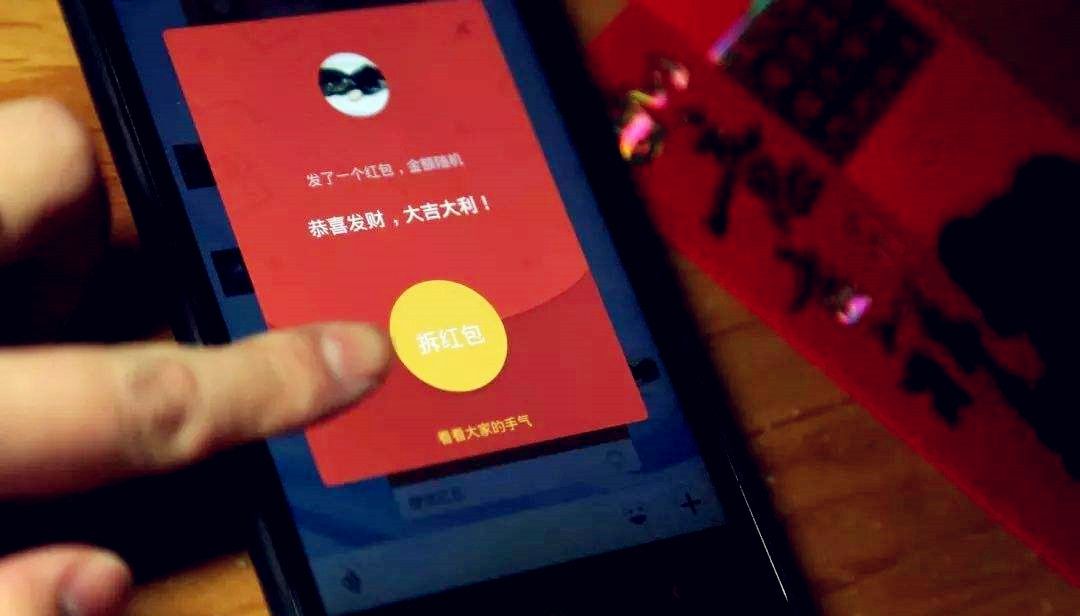
Wechat is one of the most popular social media throughout China; in recent years, the Wechat red envelope features have also become famous among its users. During the Chinese New Year, teenagers are inclined to send envelopes through Wechat to each other as a way of greeting. It is a convenient and fast way to contact family members and friends from afar. Furthermore, also Chinese people grab the cyber envelopes as they watch the live Chinese New Year TV Gala. They shake phones ceaselessly to gain random amounts of money.
Responses • 0
0/2000
ID: 322
Matthias
Offline
1 day
Visited
From
Orlando, United States
Send Message