经常阅读有什么益处?

Learn Chinese
 
  Dec 23  •  1027 read 

随着手机视频越来越普遍,阅读对孩子有什么益处呢?

 阅读对孩子有什么益处?

 激发想象力 虽然作者会提供一些信息,但读者还是有发挥想象力的空间。例如,读者可以想象:书中人物的长相是什么样的?他们的声音听起来是怎么样的?书中的场景又是怎么样的?
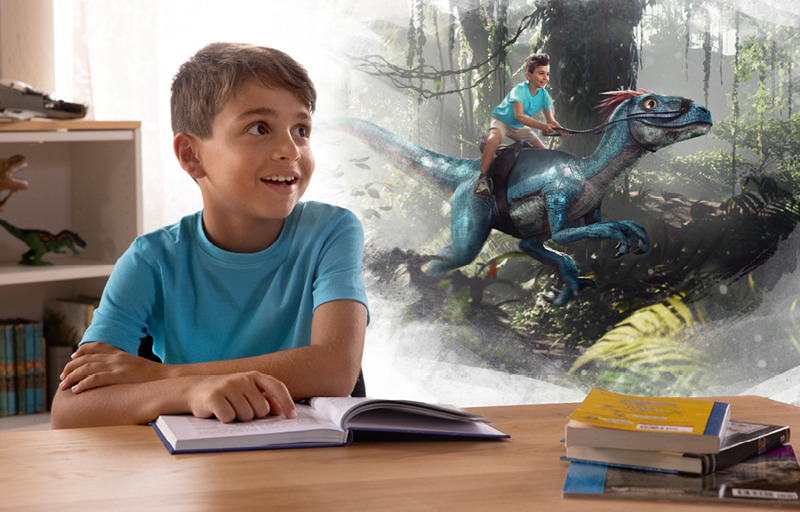
一个小男孩在读书,他想象自己在骑恐龙。

 一个叫萝拉的母亲说:“我们在看影片的时候,其实是在看别人怎样发挥想象力。尽管这也挺有意思的,但阅读可以让你发挥自己的想象力,使脑海浮现栩栩如生的画面。”

 培养好品格 阅读可以训练孩子的逻辑思维,帮助他们懂得分析和解决问题。此外,孩子在阅读时也需要集中注意力,在这个过程中,他们可以培养一些好的品格,例如耐心、自制和同情心。

 为什么阅读能帮助孩子培养同情心?一些研究人员发现,当孩子仔细阅读故事的时候,他们就更有时间思考书中人物的感受,这样孩子在生活中就更能学会将心比心。

 提高思考力 阅读能力良好的人不会匆匆忙忙地读完。为了了解作者的想法,必要的时候他们还会回过头再读一次。他们这样做就更容易记住读过的内容,得到的益处也更大。

 一个叫约瑟夫的父亲说:“当你阅读的时候,你可以有时间仔细想想读到的内容,也可以将读到的和你已经知道的知识联系起来。你还可以想想从中学到了什么,但是视觉媒体不一定让我们有机会深入思考。”

 要记得:虽然视觉媒体确实能让孩子学到一些东西,但如果你的孩子因此而失去阅读的习惯,那就太可惜了。

Yuèdú
阅读
duì
对
háizi
孩子
yǒu
有
shénme
什么
yìchu
益处
  
?
What are the benefits of reading for children?
Jīfā
激发
xiǎngxiànglì
想象力
suīrán
虽然
zuòzhě
作者
huì
会
tígōng
提供
yīxiē
一些
xìnxī
信息
  
,
dàn
但
dúzhě
读者
háishi
还是
yǒu
有
fāhuī
发挥
xiǎngxiànglì
想象力
de
的
kōngjiān
空间
  
。
Stimulate the imagination Although the author will provide some information, the reader still has room to use his imagination.
Lìrú
例如
  
,
dúzhě
读者
kěyǐ
可以
xiǎngxiàng
想象
  
:
shū
书
zhōng
中
rénwù
人物
de
的
zhǎngxiàng
长相
shì
是
shénmeyàng
什么样
de
的
  
?
For example, the reader can imagine: What do the characters in the book look like?
Tāmen
他们
de
的
shēngyīn
声音
tīng
听
qilai
起来
shì
是
zěnmeyàng
怎么样
de
的
  
?
How does their voice sound?
Shū
书
zhōng
中
de
的
chǎngjǐng
场景
yòu
又
shì
是
zěnmeyàng
怎么样
de
的
  
?
What about the scenes in the book?
Yī
一
gè
个
jiào
叫
luólā
萝拉
de
的
mǔqīn
母亲
shuō
说
  
:
wǒmen
我们
zài
在
kàn
看
yǐngpiàn
影片
de
的
shíhou
时候
  
,
qíshí
其实
shì
是
zài
在
kàn
看
biéren
别人
zěnyàng
怎样
fāhuī
发挥
xiǎngxiànglì
想象力
  
。
A mother named Lola said: When we watch the film, we are actually watching how others use their imaginations.
Jǐnguǎn
尽管
zhè
这
yě
也
tǐng
挺
yǒuyìsi
有意思
de
的
  
,
dàn
但
yuèdú
阅读
kěyǐ
可以
ràng
让
nǐ
你
fāhuī
发挥
zìjǐ
自己
de
的
xiǎngxiànglì
想象力
  
,
shǐ
使
nǎohǎi
脑海
fúxiàn
浮现
xǔxǔrúshēng
栩栩如生
de
的
huàmiàn
画面
  
。
While it's fun, reading allows you to use your imagination and bring images to life.
Péiyǎng
培养
hǎo
好
pǐngé
品格
yuèdú
阅读
kěyǐ
可以
xùnliàn
训练
háizi
孩子
de
的
luójisīwéi
逻辑思维
  
,
bāngzhù
帮助
tāmen
他们
dǒngde
懂得
fēnxī
分析
hé
和
jiějué
解决
wèntí
问题
  
。
Developing good character reading can train children's logical thinking and help them understand how to analyze and solve problems.
Cǐwài
此外
  
,
háizi
孩子
zài
在
yuèdú
阅读
shí
时
yě
也
xūyào
需要
jízhōng
集中
zhùyìlì
注意力
  
,
zài
在
zhège
这个
guòchéng
过程
zhōng
中
  
,
tāmen
他们
kěyǐ
可以
péiyǎng
培养
yīxiē
一些
hǎo
好
de
的
pǐngé
品格
  
,
lìrú
例如
nàixīn
耐心
zìzhì
自制
hé
和
tóngqíngxīn
同情心
  
。
In addition, children also need to concentrate when reading, and in the process, they can develop some good character, such as patience and compassion.
Wèishénme
为什么
yuèdú
阅读
néng
能
bāngzhù
帮助
háizi
孩子
péiyǎng
培养
tóngqíngxīn
同情心
  
?
Why can reading help children develop compassion?
Yīxiē
一些
yánjiū
研究
rényuán
人员
fāxiàn
发现
  
,
dāng
当
háizi
孩子
zǐxì
仔细
yuèdú
阅读
gùshì
故事
de
的
shíhou
时候
  
,
tāmen
他们
jiù
就
gēng
更
yǒu
有
shíjiān
时间
sīkǎoshū
思考书
zhōng
中
rénwù
人物
de
的
gǎnshòu
感受
  
,
zhèyàng
这样
háizi
孩子
zài
在
shēnghuó
生活
zhōng
中
jiù
就
gēng
更
néng
能
xuéhuì
学会
jiāngxīnbǐxīn
将心比心
  
。
Some researchers have found that when children read stories carefully, they have more time to think about the feelings of the characters in the book, so that children are more able to learn to compare hearts to hearts in life.
Tígāo
提高
sīkǎolì
思考力
yuèdú
阅读
nénglì
能力
liánghǎo
良好
de
的
rén
人
bùhuì
不会
cōngcōngmángmáng
匆匆忙忙
de
地
dòu
读
wán
完
  
。
People who improve their thinking ability and good reading ability will not rush to finish reading.
Wèile
为了
liǎojiě
了解
zuòzhě
作者
de
的
xiǎngfǎ
想法
  
,
bìyào
必要
de
的
shíhou
时候
tāmen
他们
hái
还
huì
会
huíguò
回过
tóu
头
zài
再
dòu
读
yī
一
cì
次
  
。
In order to understand the author's thoughts, they will go back and read it again when necessary.
Tāmen
他们
zhèyàng
这样
zuò
做
jiù
就
gēng
更
róngyì
容易
jìzhu
记住
dòu
读
guò
过
de
的
nèiróng
内容
  
,
dédào
得到
de
的
yìchu
益处
yě
也
gēng
更
dà
大
  
。
In doing so, it is easier for them to remember what they have read and the benefits are greater.
Yī
一
gè
个
jiào
叫
yuēsèfū
约瑟夫
de
的
fùqīn
父亲
shuō
说
  
:
dāng
当
nǐ
你
yuèdú
阅读
de
的
shíhou
时候
  
,
nǐ
你
kěyǐ
可以
yǒu
有
shíjiān
时间
zǐxì
仔细
xiǎngxiǎng
想想
dòu
读
dào
到
de
的
nèiróng
内容
  
,
yě
也
kěyǐ
可以
jiāng
将
dòu
读
dào
到
de
的
hé
和
nǐ
你
yǐjīng
已经
zhīdào
知道
de
的
zhīshi
知识
liánxì
联系
qǐlai
起来
  
。
A father named Joseph said: When you read, you can have time to think carefully about what you read, and you can also relate what you read to what you already know.
Nǐ
你
hái
还
kěyǐ
可以
xiǎngxiǎng
想想
cóng
从
zhōngxué
中学
dào
到
liǎo
了
shénme
什么
  
,
dànshì
但是
shìjué
视觉
méitǐ
媒体
bù
不
yīdìng
一定
ràng
让
wǒmen
我们
yǒu
有
jīhuì
机会
shēnrù
深入
sīkǎo
思考
  
。
You can also think about what you learned from it, but visual media doesn't necessarily give us the opportunity to think deeply.
Yào
要
jìde
记得
  
:
suīrán
虽然
shìjué
视觉
méitǐ
媒体
quèshí
确实
néng
能
ràng
让
háizi
孩子
xué
学
dào
到
yīxiē
一些
dōngxī
东西
  
,
dàn
但
rúguǒ
如果
nǐ
你
de
的
háizi
孩子
yīncǐ
因此
ér
而
shīqù
失去
yuèdú
阅读
de
的
xíguàn
习惯
  
,
nā
那
jiù
就
tài
太
kěxī
可惜
le
了
  
。
Remember: While visual media does allow children to learn something, it's a shame if your child loses the habit of reading as a result.
2
 
2
 
Responses • 4
0/2000
可以培养逻辑思维能力,提升自己的汉语语感使自己更流畅的说出汉语
 0  •  Reply •  Jan 07
多讀書可以培養自信、強化獨立思考的力量。一旦能夠拓寬自信幅度,思考的幅度也會隨之變得寬廣。閱讀並不是為了在腦中塞滿文字,而是要透過書本習得知識、智慧,增廣見聞。
 0  •  Reply •  Dec 29
从小开始大量阅读的孩子,无论是情商还是学习能力都会优于其他孩子。
 0  •  Reply •  Dec 23
现代人太缺乏阅读了。这真的是一个很好的提醒
 1  •  Reply •  Dec 23
More
ID: 9600

guanxin1914

Offline
Nov 24  Visited
From Shenyang, China
Send Message