汉字非常美丽,如何培养阅读的习惯?

Learn Chinese
 
  Dec 23  •  1205 read 

汉字兼具了读音之美和形体之美。这么美的文字,你开始阅读了吗?

 如何培养阅读的习惯?

 越早越好 克洛艾有两个儿子,她说:“孩子还在肚子里的时候,我们就会读给孩子听。他们出生以后,我们也没有放弃这个好习惯。我们很开心一直坚持这么做。后来他们自己养成了阅读的习惯,也爱上了阅读。”

 营造适合阅读的氛围 在家里多摆一些书,方便你的孩子随时阅读。塔玛拉有四个孩子,她说:“我会选择一些孩子可能喜欢读的书,然后把它们放在孩子们的床边。”

 安排固定时间阅读 一个叫丹尼尔的爸爸建议安排出一个时段,开启“勿扰模式”让家人可以好好享受阅读的时光。他说:“就算是一周一次,我们会定下一个晚上不开电视,大家一起读,或各自读各自的东西。”

 以身作则 卡琳娜有两个女儿,她建议说:“你读故事给孩子听的时候,要带着热情并用生动的方式把故事读出来,这样孩子也会受你影响,喜欢上阅读。”
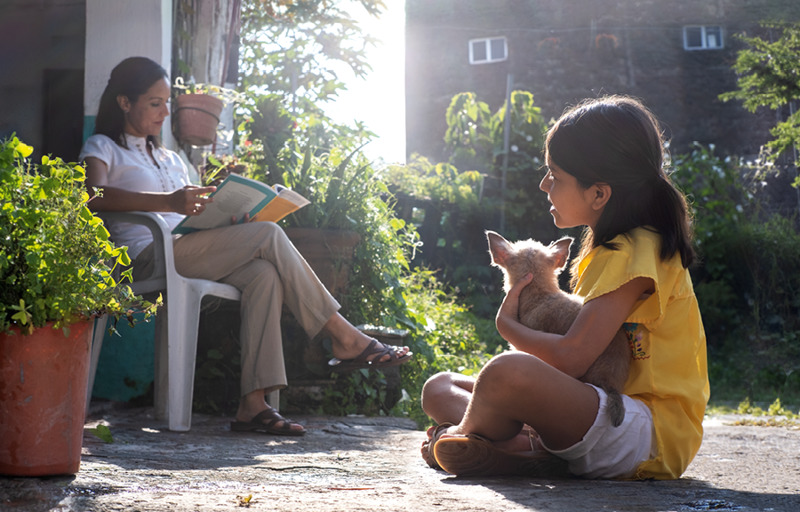
一个小女孩坐在地上,看着妈妈读书。

 不是所有孩子都一定会很喜欢阅读。不过,你给他们的鼓励可以成为他们的动力,帮助他们养成阅读的习惯。戴维有两个女儿,他用了一个很好的方法。他说:“女儿们正在看的书,我也会去读。我可以从她们读的书中了解她们对哪些事感兴趣。这样,我们可以轻松地聊起来。我们甚至还有一个小小的读书俱乐部,这给我们的生活增添了很多乐趣!”

Rúhé
如何
péiyǎng
培养
yuèdú
阅读
de
的
xíguàn
习惯
  
?
How do you develop the habit of reading?
Yuè
越
zǎo
早
yuè
越
hǎo
好
kèluòài
克洛艾
yǒu
有
liǎng
两
gèr
个
zǐ  
儿子
  
,
tā
她
shuō
说
  
:
háizi
孩子
hái
还
zài
在
dùzi
肚子
lǐ
里
de
的
shíhou
时候
  
,
wǒmen
我们
jiù
就
huì
会
dòu
读
gěi
给
háizi
孩子
tīng
听
  
。
The sooner the better, Chloe has two sons, she said: When the child is still in the stomach, we will read it to the child.
Tāmen
他们
chūshēng
出生
yǐhòu
以后
  
,
wǒmen
我们
yě
也
méiyǒu
没有
fàngqì
放弃
zhège
这个
hǎo
好
xíguàn
习惯
  
。
After they were born, we did not give up this good habit.
Wǒmen
我们
hěn
很
kāixīn
开心
yīzhí
一直
jiānchí
坚持
zhème
这么
zuò
做
  
。
We're happy to keep doing this.
Hòulái
后来
tāmen
他们
zìjǐ
自己
yǎngchéng
养成
le
了
yuèdú
阅读
de
的
xíguàn
习惯
  
,
yě
也
àishàng
爱上
le
了
yuèdú
阅读
  
。
Later, they themselves developed the habit of reading and fell in love with reading.
Yíngzào
营造
shìhé
适合
yuèdú
阅读
de
的
fēnwéi
氛围
zài
在
jiālǐ
家里
duō
多
bǎi
摆
yīxiē
一些
shū
书
  
,
fāngbiàn
方便
nǐ
你
de
的
háizi
孩子
suíshí
随时
yuèdú
阅读
  
。
Create a reading-friendly atmosphere with more books at home so your child can read at any time.
Tǎmǎlā
塔玛拉
yǒu
有
sì
四
gè
个
háizi
孩子
  
,
tā
她
shuō
说
  
:
wǒ
我
huì
会
xuǎnzé
选择
yīxiē
一些
háizi
孩子
kěnéng
可能
xǐhuan
喜欢
dòu
读
de
的
shū
书
  
,
ránhòu
然后
bǎ
把
tāmen
它们
fàngzài
放在
háizi
孩子
men
们
de
的
chuángbiān
床边
  
。
Tamara, who has four children, said: "I would choose some books that children might like to read and then put them next to the children's beds."
Ānpái
安排
gùdìng
固定
shíjiān
时间
yuèdú
阅读
yī
一
gè
个
jiào
叫
dānníěr
丹尼尔
de
的
bàba
爸爸
jiànyì
建议
ānpái
安排
chū
出
yī
一
gè
个
shíduàn
时段
  
,
kāiqǐ
开启
wùrǎo
勿扰
móshì
模式
ràng
让
jiārén
家人
kěyǐ
可以
hǎohǎo
好好
xiǎngshòu
享受
yuèdú
阅读
de
的
shíguāng
时光
  
。
Schedule a fixed time to read A dad named Daniel suggested setting up a time slot to turn on Do Not Disturb mode so that the family could enjoy reading.
Tā
他
shuō
说
  
:
jiù
就
suànshì
算是
yī
一
zhōu
周
yī
一
cì
次
  
,
wǒmen
我们
huì
会
dìngxià
定下
yī
一
ge
个
wǎnshang
晚上
bù
不
kāi
开
diànshì
电视
  
,
dàjiā
大家
yīqǐ
一起
dòu
读
  
,
huò
或
gèzì
各自
dòu
读
gèzì
各自
de
的
dōngxī
东西
  
。
He said: Even once a week, we will set a night without TV, and everyone will read together or read their own things.
Yǐshēnzuōzé
以身作则
kǎlínnà
卡琳娜
yǒu
有
liǎng
两
gè
个
nǚér
女儿
  
,
tā
她
jiànyì
建议
shuō
说
  
:
nǐ
你
dòu
读
gùshì
故事
gěi
给
háizi
孩子
tīng
听
de
的
shíhou
时候
  
,
yào
要
dài
带
zhāo
着
rèqíng
热情
bìngyòng
并用
shēngdòng
生动
de
的
fāngshì
方式
bǎ
把
gùshì
故事
dòu
读
chūlái
出来
  
,
zhèyàng
这样
háizi
孩子
yě
也
huì
会
shòu
受
nǐ
你
yǐngxiǎng
影响
  
,
xǐhuan
喜欢
shàng
上
yuèdú
阅读
  
。
Karina, who leads by example and has two daughters, advises that when you read stories to your children, read them with enthusiasm and in a vivid way, so that the children will also be influenced by you and enjoy reading.
Bú
不
shi
是
suǒyǒu
所有
háizi
孩子
dōu
都
yīdìng
一定
huì
会
hěn
很
xǐhuan
喜欢
yuèdú
阅读
  
。
Not all children will necessarily enjoy reading.
Bùguò
不过
  
,
nǐ
你
gěi
给
tāmen
他们
de
的
gǔlì
鼓励
kěyǐ
可以
chéngwéi
成为
tāmen
他们
de
的
dònglì
动力
  
,
bāngzhù
帮助
tāmen
他们
yǎngchéng
养成
yuèdú
阅读
de
的
xíguàn
习惯
  
。
Still, the encouragement you give them can be a motivator for them and help them develop the habit of reading.
Dàiwéi
戴维
yǒu
有
liǎng
两
gè
个
nǚér
女儿
  
,
tā
他
yòng
用
le
了
yī
一
gè
个
hěn
很
hǎo
好
de
的
fāngfǎ
方法
  
。
David had two daughters, and he used a good approach.
Tā
他
shuō
说
  
:
nǚér
女儿
men
们
zhèngzài
正在
kàn
看
de
的
shū
书
  
,
wǒ
我
yě
也
huì
会
qù
去
dòu
读
  
。
He said: The books my daughters are reading, I will also read.
Wǒ
我
kěyǐ
可以
cóng
从
tāmen
她们
dòu
读
de
的
shū
书
zhōng
中
liǎojiě
了解
tāmen
她们
duì
对
nǎxiē
哪些
shì
事
gǎn
感
xìngqù
兴趣
  
。
I can see from the books they read about what they're interested in.
Zhèyàng
这样
  
,
wǒmen
我们
kěyǐ
可以
qīngsōng
轻松
dì
地
liáo
聊
qǐlai
起来
  
。
In this way, we can easily talk about it.
Wǒmen
我们
shènzhì
甚至
háiyǒu
还有
yī
一
gè
个
xiǎoxiǎode
小小的
dúshū
读书
jùlèbù
俱乐部
  
,
zhè
这
gěi
给
wǒmen
我们
de
的
shēnghuó
生活
zēngtiān
增添
le
了
hěnduō
很多
lèqù
乐趣
  
!
We even have a little book club which adds a lot of fun to our lives!
>
5
 
2
 
Responses • 2
0/2000
如果從漢字中的甲骨文開始研究,會更驚嘆它的源流演變之美
 0  •  Reply •  Dec 28
阅读的好习惯正在渐渐消失,感谢你推荐的好方法
 1  •  Reply •  Dec 24
More
ID: 9600

guanxin1914

Offline
Nov 24  Visited
From Shenyang, China
Send Message
Related
推荐给喜欢深入学习汉语的朋友——说文解字活在当下,在时光的长河中,我们是匆匆过客,也是永恒的旅人你好,我的第一个朋友。北京和上海的差别 - YoutubeI uploaded "亲近自然 - 有故事的汉字", enjoy it. https://www.cchatty.com/pdf/3532今天新的发现元宵 汤圆在做法上是有一定的区别Reading exercise for HSK5 textbook 4 (子路背米) I have designed some questions for this passage and I hope these question will be helpful. HSK5:主人为什么要多给子路一些银子? A、子路很孝顺,他地孝心感动了主人 B、他想让子路给他多干活 C、主人算错了工钱 D、子路干活勤快、主人很喜欢 HSK5:子路为什么要给父母背米? A、子路很勤快,多挣到了银子 B、父母想让子路给他们买米和好吃的 C、子路很有孝心,想到父母从未吃饱过饭感到很惭愧,想让父母吃顿饱饭 D、主人多给了子路银子让他给父母买些米和鱼肉 HSK5:子路为什么能在出国做官? A、子路很孝顺 B、子路很勤快 C、楚国国君认为子路很有才能 D、子路背米感动了楚国国君 HSK6:子路为什么在出国做官后为什么没有因为待遇好而开心? A、子路不喜欢物质条件 B、子路思念他的父母,想到父母不能和他一起享受 C、子路不满足于在楚国当官的待遇 D、子路其实很开心 HSK6:这篇文章告诉我们的道理是? A、多劳多得 B、孝顺的人可以找到好工作 C、孝顺的人父母高兴 D、百善孝为先#中国人常用的中文表达 真香团扇,团扇,美人并来遮面。 银烛秋光冷画屏,轻罗小扇扑流萤。 团扇复团扇,奉君清暑殿。秋风入庭树,从此不相见。 ——唐代王建的《宫中调笑·团扇》 shàn zi,zài wǒ guó yǒu fēi cháng gǔ lǎo de lì shǐ。chū yú zhāo fēng qǔ liáng,qū gǎn 扇 子 ,在 我 国 有 非 常 古 老 的 历 史 。出 于 招 风 取 凉 , 驱 赶 chóng wén,dǎn fú huī chén,yǐn huǒ jiā rè zhǒng zhǒng xū yào,rén men fā míng le 虫 蚊 , 掸 拂 灰 尘, 引 火 加 热 种 种 需 要, 人 们 发 明 了 shàn zi. 扇 子.